
Category Geopolitics

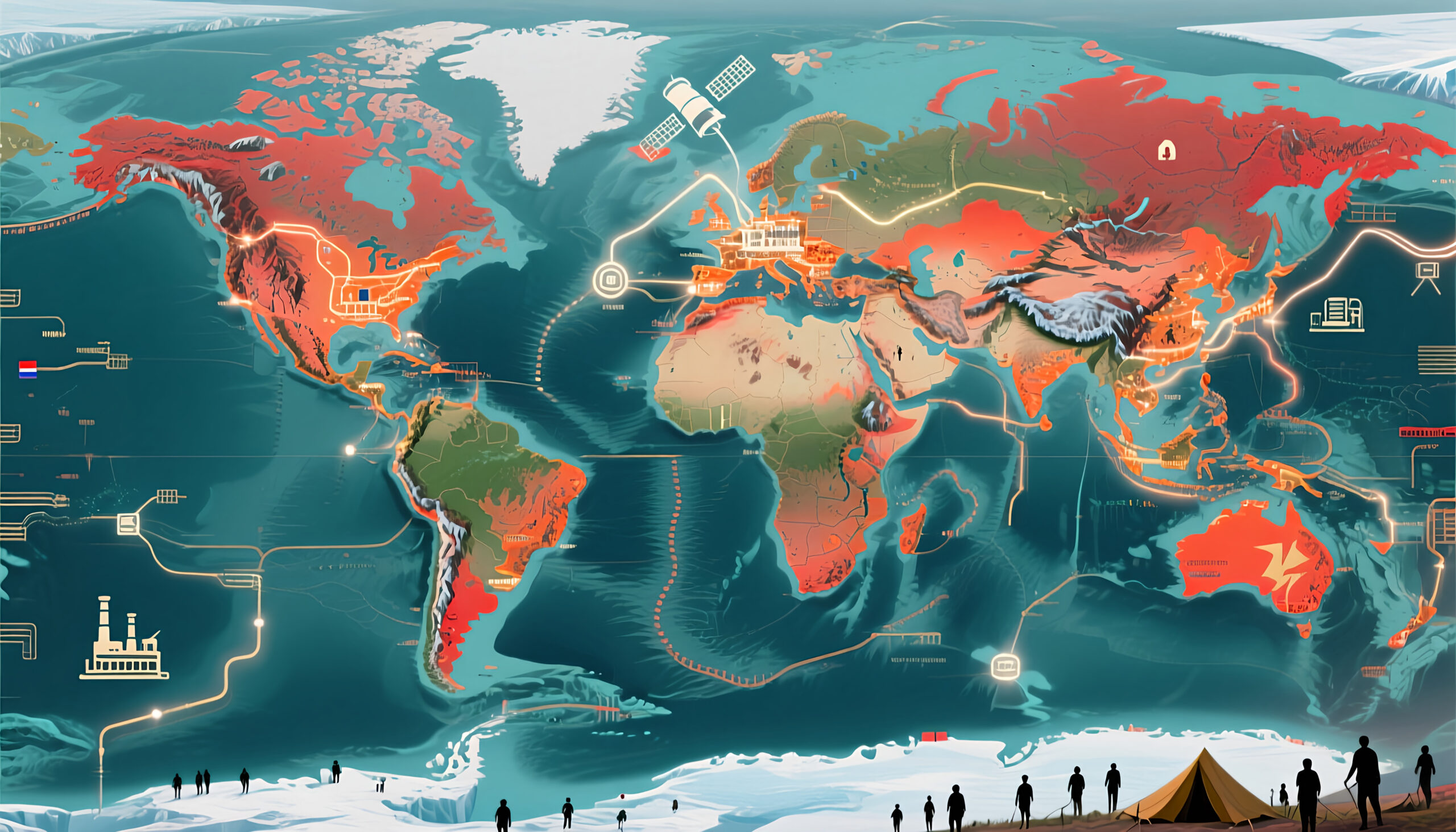
Illustrated world map showing continents, oceans, and polar ice with glowing lines, satellites, pipelines, and silhouettes of people, symbolizing global power networks, trade routes, and human movement.

Geopolitics examines how geography shapes power, conflict, and cooperation between states and other global actors. This category explores how factors such as location, borders, natural resources, trade routes, and demographics influence foreign policy, security strategies, and economic competition. It covers issues like territorial disputes, energy security, military alliances, sanctions, global supply chains, and environmental pressures that alter the balance of power. By connecting political decisions to physical space, geopolitics helps explain why countries act as they do on questions of war and peace, markets and resources, migration, and regional dominance

Strategic Distraction: How US-Iran Tensions Hand China a Geopolitical Gift

Businessmen discussing Middle East map at night office

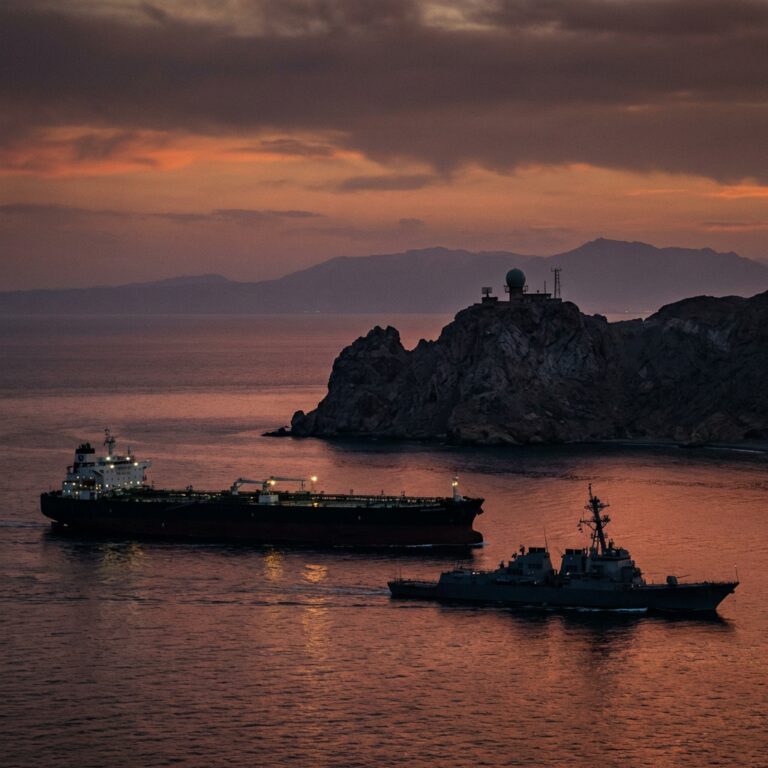
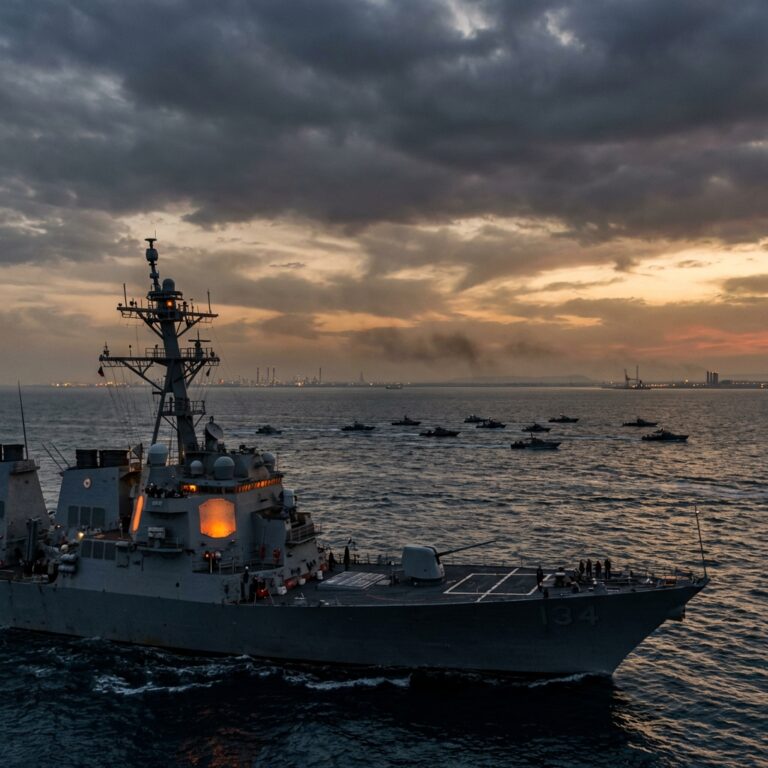
#Geopolitics #USElection2024 #IranCrisis #ChinaRising #MiddleEast #EnergySecurity / The escalating confrontation between the United States and Iran is not merely a regional crisis; it is a strategic accelerant for China's global ambitions. As Washington's attention, diplomatic capital, and military assets are drawn into a volatile standoff with Tehran, Beijing is capitalizing on the distraction to consolidate its position, secure economic interests, and advance its narrative as a stable alternative to a conflict-prone West. This dynamic represents a classic geopolitical diversion, weakening America's capacity to focus on its stated priority: strategic competition in the Indo-Pacific.

Meloni’s Gas Gambit: Italy’s Algeria Deal Exposes EU’s Energy Disunity

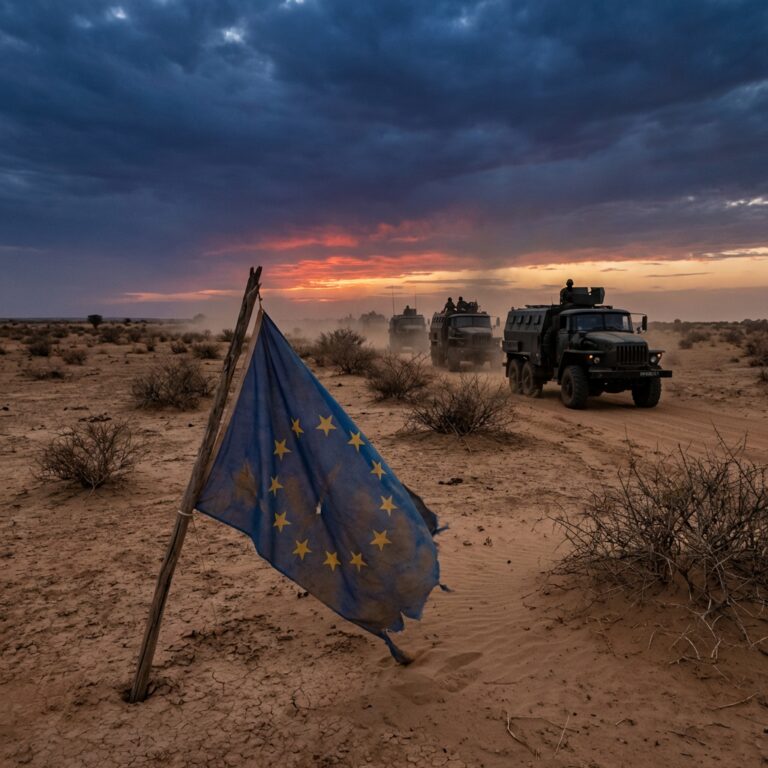
Officials meeting with EU flag and desert backdrop

In a classic display of national interest trumping collective ambition, Italian Prime Minister Giorgia Meloni jetted to Algiers this week to seal a bilateral gas cooperation deal with Algeria, blatantly underscoring the European Union's chronic inability to present a united front on energy security. The visit, confirmed in late March 2026, sidelines Brussels and highlights how member states continue to freelance on critical resource diplomacy, leaving the EU's common energy policy looking more like a suggestion box than a strategy.

Germany Backs Mercosur Deal

Germany Backs Mercosur Deal

In the past few weeks, the EU - Mercosur trade deal has stirred up quite a storm across Europe. Farmers, politicians, and everyday citizens are all buzzing about what this agreement could mean for the continent. With concerns ranging from job security to food standards, the deal has become a hot topic. Here’s a breakdown of what’s happening and why it matters.

Kemi Badenoch Calls Donald Trumps Repeated Attacks on Keir Starmer Childish

Caricature of Donald Trump shouting at Keir Starmer while Kemi Badenoch looks on calling his attacks childish.

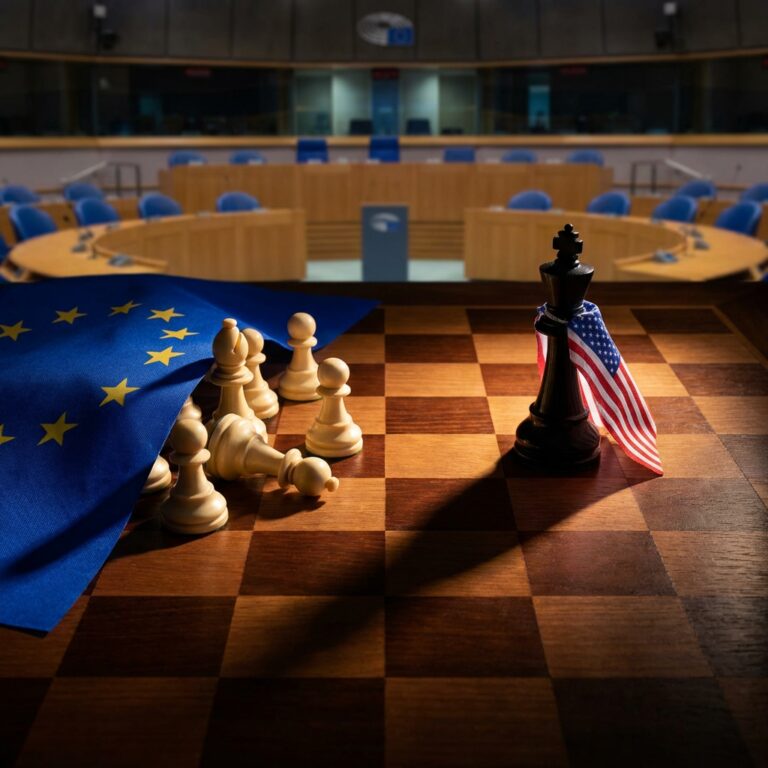
Public rifts between London and Washington over the Iran conflict risk signaling disunity to adversaries and complicating coordinated policy. - UK domestic opinion is shaping leaders’ positions, limiting London’s willingness to expand its military role. - Trump’s pressure and rhetoric, including trade-linked expectations, test the resilience of the UK-US relationship. - Operational caution in the Strait of Hormuz shows London prioritizing risk management over rapid deployments. - Badenoch’s shift from alignment with Trump to criticizing the White House suggests the UK’s political landscape is moving away from overt support for deeper involvement in the war.

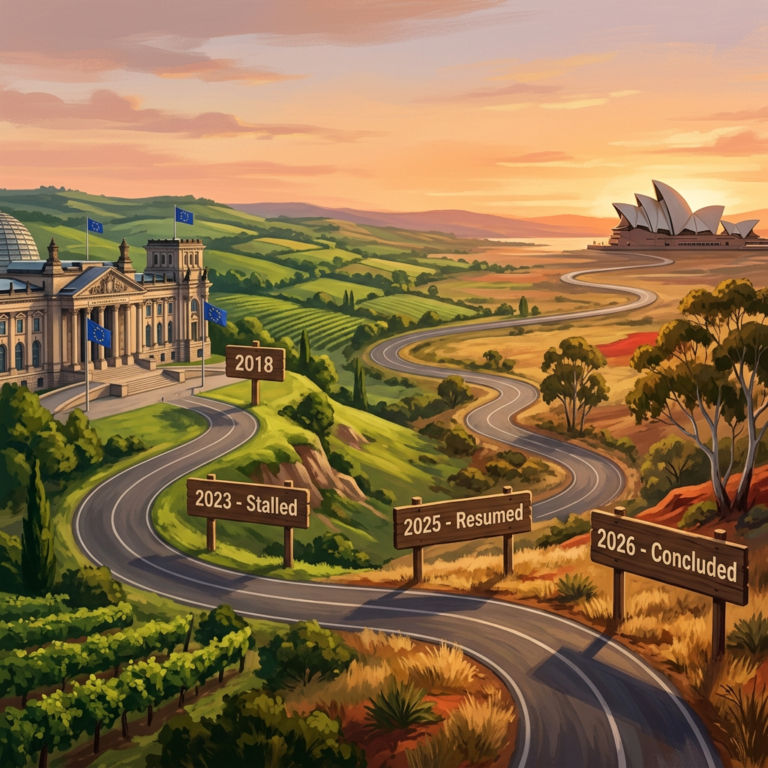
How the EU–Mercosur Deal Became Europe’s Most Expensive Diplomatic Irrelevance.

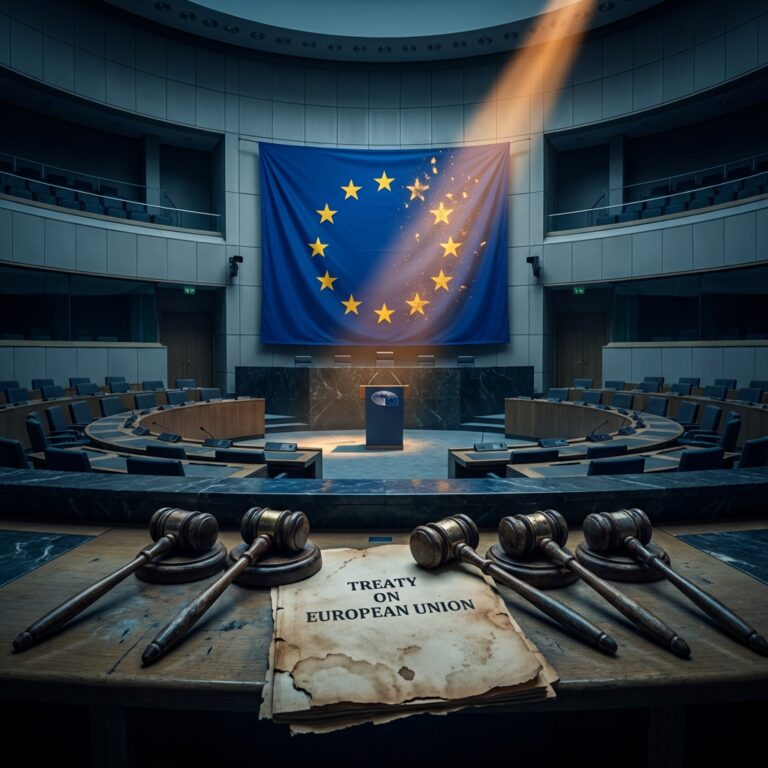
A political cartoon depicting EU Commission President Ursula von der Leyen frantically sewing a tattered "EU-Mercosur Deal" banner. To her left, a conveyor belt of faceless bureaucrats moves past the tombstones of former EU leaders (Prodi, Barroso, Juncker) under a "1999–2026" timeline. To her right, a modern, active BYD factory stands over a derelict, "For Sale" Volkswagen plant, where a dejected businessman leans against the ruins.

Twenty-five years. A quarter of a century of summits, negotiating rounds, political crises, agricultural riots, and constitutional wrangling — and what does the European Union have to show for it? A trade deal with South America that, before a single tariff has been cut, is already drowning in legal challenge, political opposition, and strategic obsolescence. Welcome to the EU–Mercosur agreement: the most ambitious free trade deal Europe has ever built, and quite possibly the most pointless.

Geopolitics: The Two Faces of Europe: Antifascist by Day, Lackey by Night .   

Two robed female figures stand in a crumbling classical rotunda, one holding a flaming torch and a tattered blue and yellow flag, while a neon sign reading Western Prosperity glows on the cracked wall behind them.

Europe has spent three years wrapping itself in the Ukrainian flag. It has sanctioned oligarchs, funded artillery shells, cheered ICC arrest warrants, and lectured the Global South on the sacred inviolability of international law. European leaders have stood at podiums from Brussels to Kyiv invoking the ghosts of 1938, warning gravely that appeasement is how democracies die. It is a powerful performance. The problem is that it is, increasingly, exactly that — a performance, staged for a domestic audience, dissolving the moment the script demands real courage.