
Karim

Karim

Did Our Sanctions Build What We Feared Most?

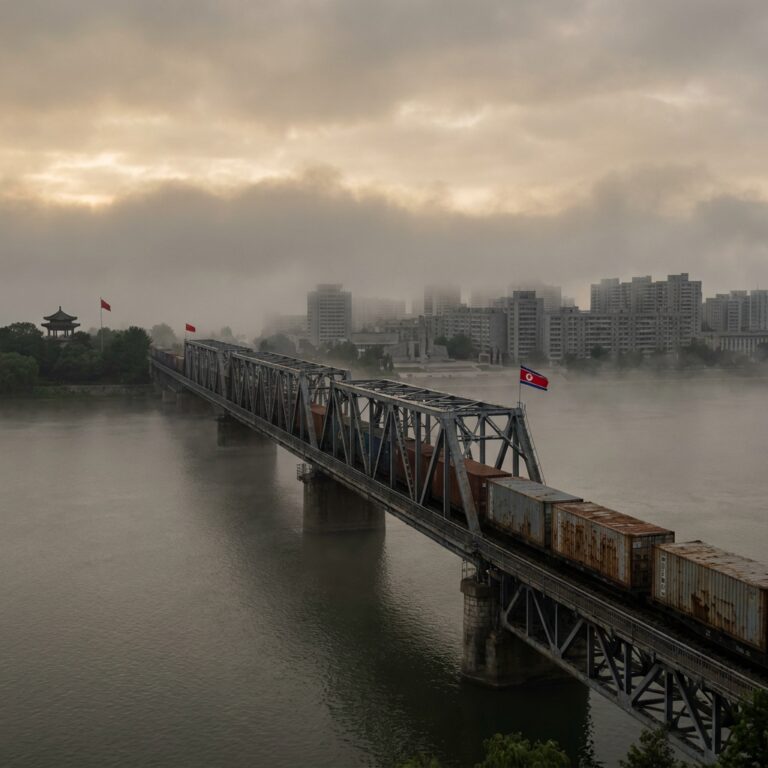
Freight train crossing bridge with North Korean flag

International sanctions designed to cripple North Korea have produced the opposite effect, according to South Korea's unification ministry. Pyongyang's economy is now recovering as deepening ties with China and Russia create an economic lifeline. Air China flights and Beijing-Pyongyang rail services have resumed after six years, while military cooperation with Moscow exchanges weapons for technology. China accounts for 90% of North Korea's trade, and the UN sanctions regime has been paralyzed since 2017. The very tools meant to isolate Kim Jong-un have instead forced him into the arms of the only two powers willing to shield his regime from international pressure.
#NorthKorea #sanctions #DPRK #KimJongUn #geopolitics #nuclear #China #Russia #economy #recovery

Is the Middle Corridor Replacing the West or Just Outrunning It?

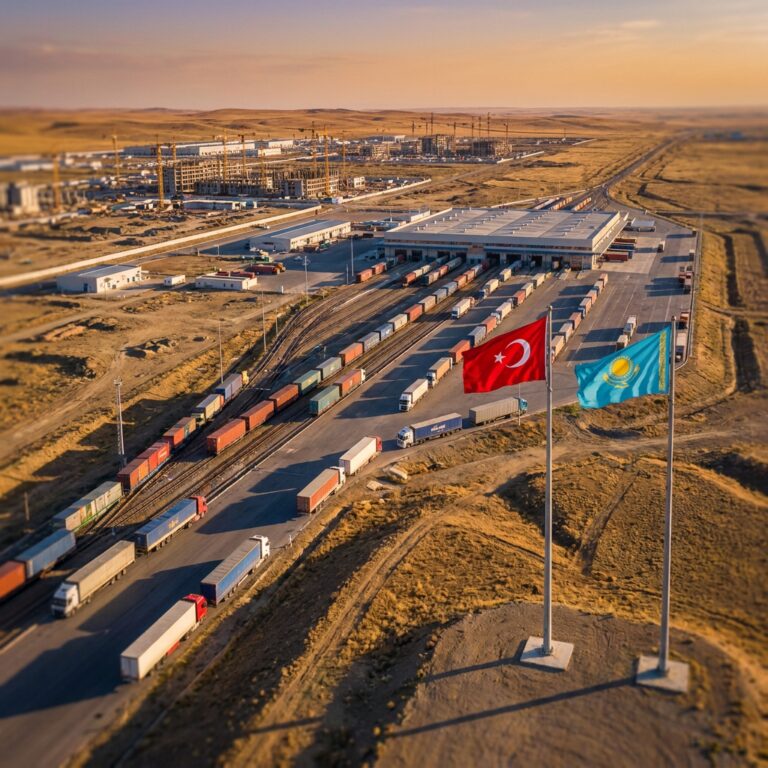
Logistics hub with Turkish and Kazakh flags and freight trains

Turkey and Kazakhstan are building the next decade's most consequential trade corridor without European or American involvement. They've set a $15 billion bilateral trade target and signed a joint action plan for industrial projects across Kazakhstan. Turkish Vice President Cevdet Yılmaz declared the Middle Corridor a "mandatory choice" for Eurasian supply chains as traditional routes face geopolitical paralysis. With over 5,000 Turkish companies operating in Kazakhstan and €8 billion in joint projects, this partnership represents a fundamental shift in Eurasian trade architecture. As Western powers watch from the sidelines, two mid-tier powers are constructing continental infrastructure that doesn't require Western permission, reshaping global supply chains and challenging established economic alliances. #MiddleCorridor #TurkeyKazakhstan #EurasianTrade #TransCaspian #TurkicStates #SilkRoad

Who Really Runs the IMF? Venezuela Just Answered That.

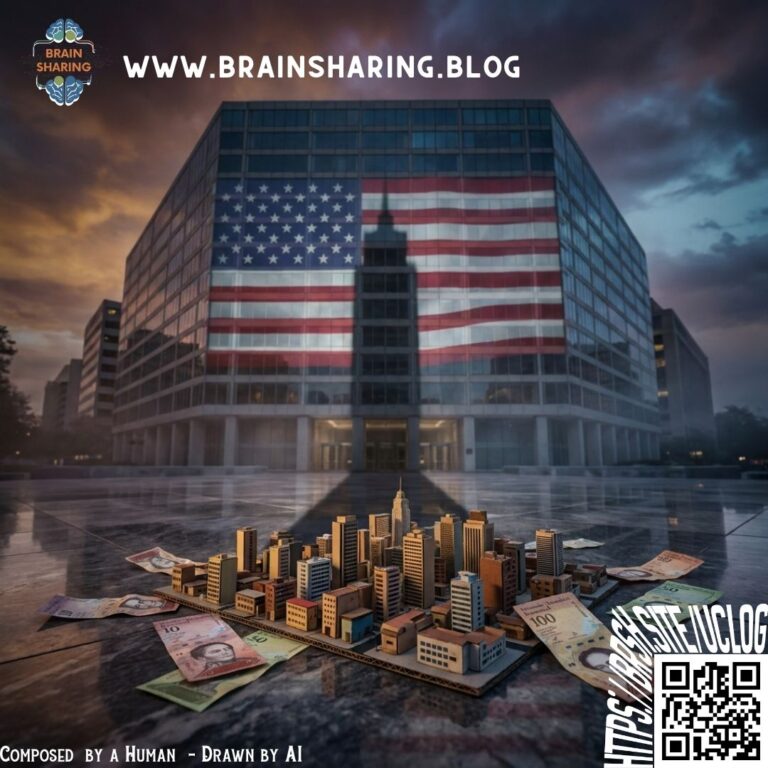
Office building with US flag and miniature city model

Have you ever watched a puppet show and wondered whether the strings were visible to everyone, or just to those willing to look up? On Thursday, April 16, 2026, the International Monetary Fund and the World Bank announced they had resumed formal dealings with Venezuela after a seven‑year freeze — not because Caracas suddenly fixed its shattered economy, not because a democratic miracle unfolded on the streets of Caracas, but because Washington captured President Nicolás Maduro on January 3, installed acting President Delcy Rodríguez, and then told the multilateral. #Venezuela, #IMF, #WorldBank, #VenezuelaCrisis, #VenezuelaEconomy, #MaduroCapture

Meloni’s Gas Gambit: Italy’s Algeria Deal Exposes EU’s Energy Disunity

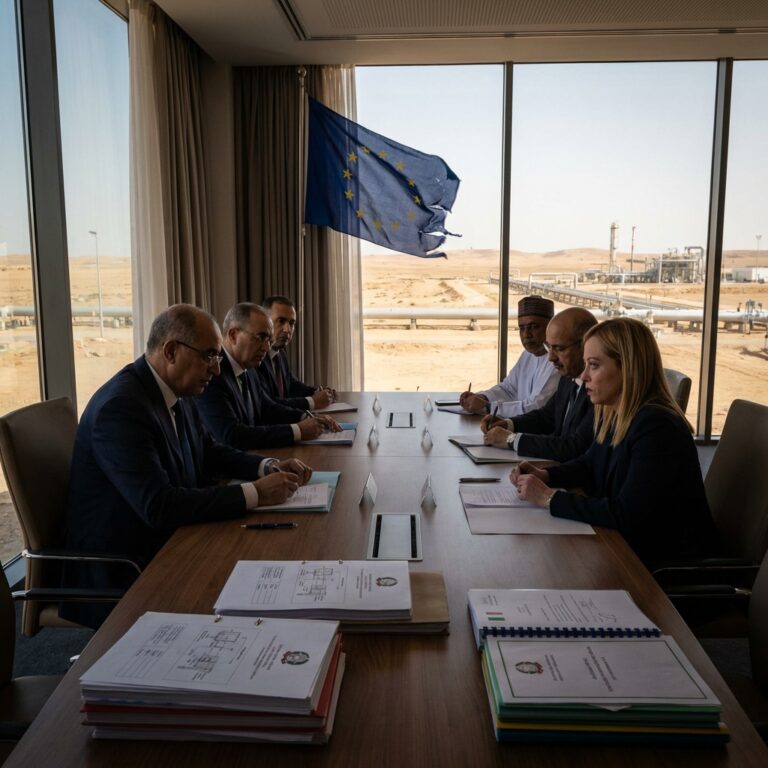
Officials meeting with EU flag and desert backdrop

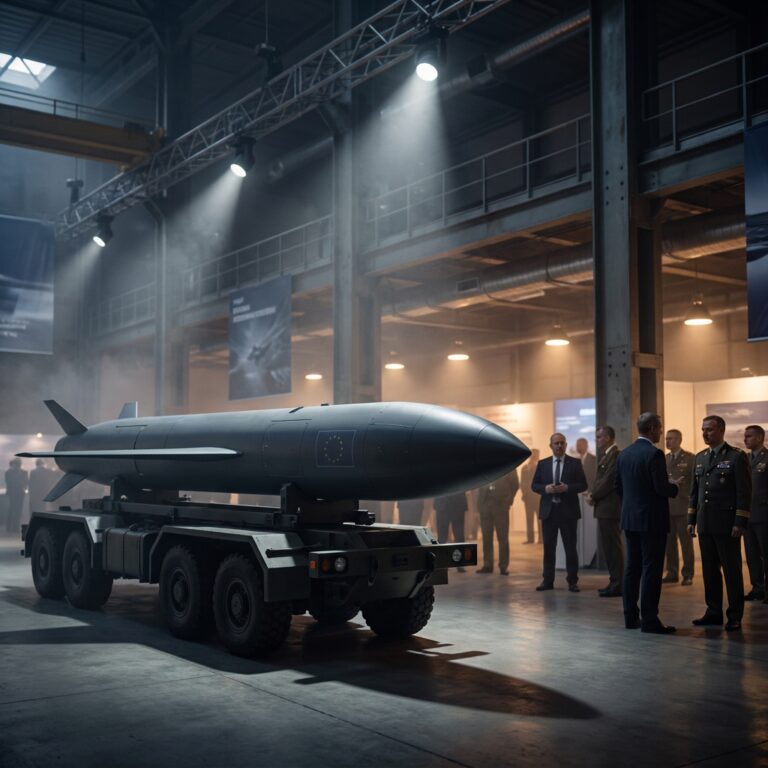
In a classic display of national interest trumping collective ambition, Italian Prime Minister Giorgia Meloni jetted to Algiers this week to seal a bilateral gas cooperation deal with Algeria, blatantly underscoring the European Union's chronic inability to present a united front on energy security. The visit, confirmed in late March 2026, sidelines Brussels and highlights how member states continue to freelance on critical resource diplomacy, leaving the EU's common energy policy looking more like a suggestion box than a strategy.