
Category Defence

Futuristic city protected by concentric rings of land, sea, air, and cyber defenses under a glowing transparent dome filled with drones, jets, satellites, and digital grids.

Defense concerns how a state organizes and uses military, intelligence, and civil protection tools to deter threats, protect its territory, and safeguard citizens. It involves strategy, alliances, technology, and budgets, shaping national security while affecting society through spending priorities, rights, and public safety. Defense policy determines the allocation of resources to maintain readiness, respond to crises, and project power globally. It also influences domestic institutions, such as emergency management and cybersecurity frameworks. The balance between offense and defense often reflects a nation’s strategic culture and perceived threats. Public debate over defense spending and surveillance highlights tensions between security and civil liberties. Ultimately, defense is not only about military strength but also about resilience, preparedness, and the ability to maintain sovereignty in an uncertain world.

Russia’s Skyfall Missile: Threat, Theatre, or Nuclear Omen?

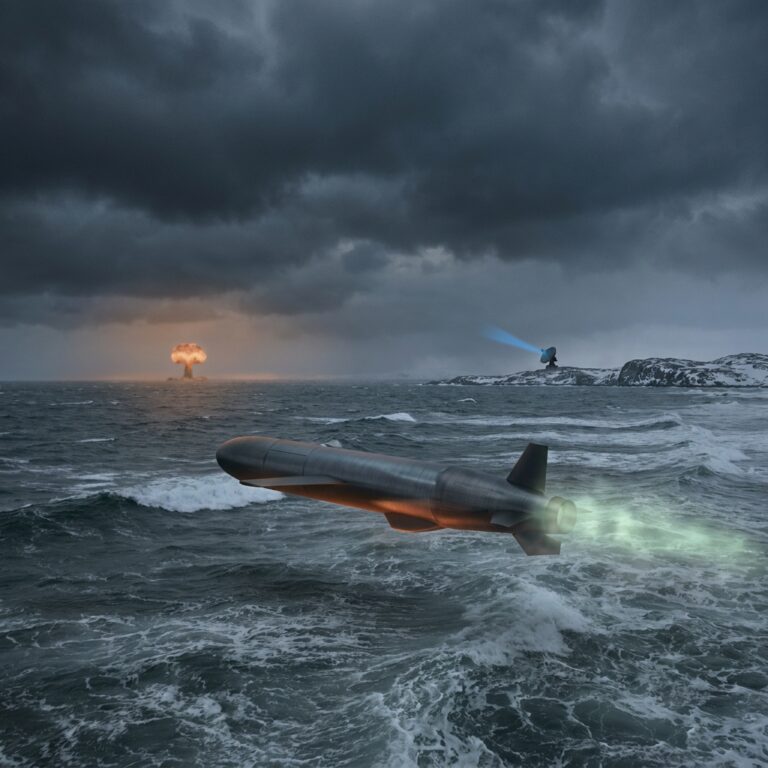
Missile flying over stormy sea towards explosion

You have heard the name Skyfall. Perhaps it drifted past you in a headline, sandwiched between election polls and economic forecasts. Perhaps you dismissed it — another Russian weapons announcement, another theatrical display from the Kremlin. But you should not dismiss it. Russia's 9M730 Burevestnik — NATO designation SSC-X-9 Skyfall — is a nuclear-powered cruise missile designed to fly for hours, even days, at low altitude with a theoretically unlimited range, evading every missile defense system ever built [1]. It is powered not by conventional fuel but by a miniature nuclear reactor. Burevestnik, #Skyfall, #Russia, #nuclear, #missile, #UkraineWar

Europe’s Defense Imperative: Preparing for a Post-American Security Architecture.

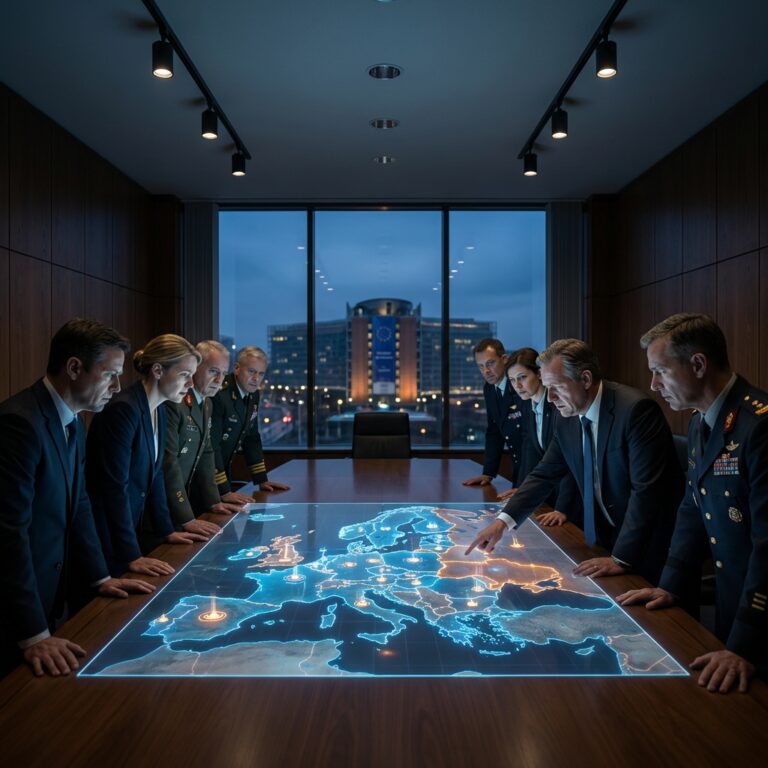
Officials reviewing illuminated digital map of Europe

This is a moment of critical failure for EU geopolitical performance. While the UK report originates outside the EU institutions, it holds up a mirror to Brussels' chronic indecision. The EU has the economic weight, the institutional frameworks, and the normative authority to lead a coherent European defense revolution. Instead, it continues to operate as a committee, prioritizing process over power, consensus over capability. Indecision is not neutrality; it is a strategic choice that cedes the initiative to adversaries and partners alike. / #Geopolitics #EuropeanSecurity #NATO #StrategicAutonomy #DefencePolicy #TransatlanticRelations

Germany’s Iron Return: Berlin’s Military Resurrection Redraws Europe’s Power Map.

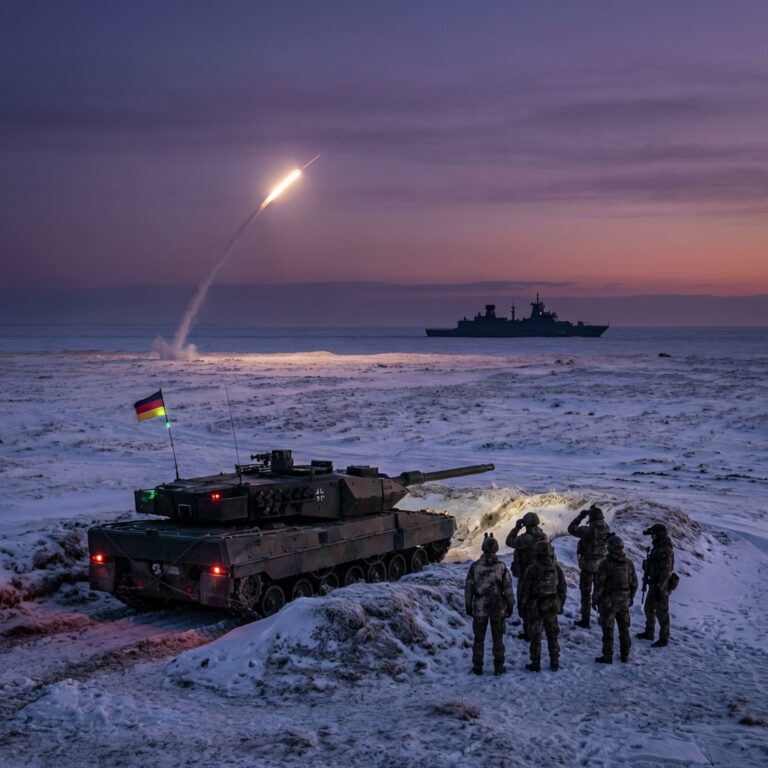
Tank and missile launch at snowy coastline

The strategic thesis is clear: Germany has chosen to re-enter history as a military power. Its success will determine whether Europe becomes a sovereign strategic actor or remains a vulnerable protectorate. The era of German restraint is over; the era of German responsibility has begun, and with it, the final remaking of the post-Cold War world.#GermanyMilitaryExpansion, #BundeswehrAufbau, #CarstenBreuer, #RussiaNATO2029, #BerlinSecurityArchitecture, #EuropeanPowerShift