
Category Geopolitics

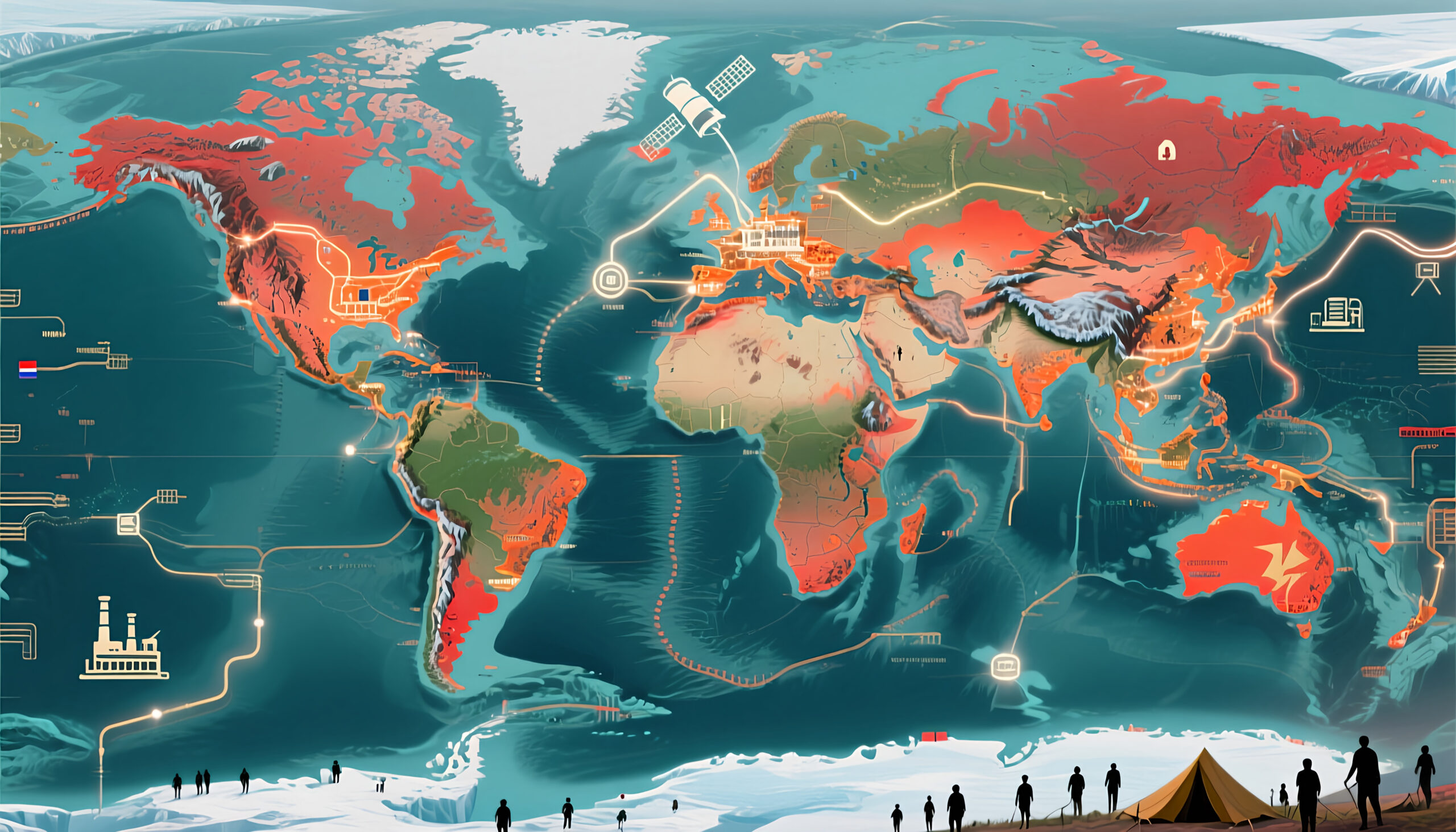
Illustrated world map showing continents, oceans, and polar ice with glowing lines, satellites, pipelines, and silhouettes of people, symbolizing global power networks, trade routes, and human movement.

Geopolitics examines how geography shapes power, conflict, and cooperation between states and other global actors. This category explores how factors such as location, borders, natural resources, trade routes, and demographics influence foreign policy, security strategies, and economic competition. It covers issues like territorial disputes, energy security, military alliances, sanctions, global supply chains, and environmental pressures that alter the balance of power. By connecting political decisions to physical space, geopolitics helps explain why countries act as they do on questions of war and peace, markets and resources, migration, and regional dominance

The Sahel’s Silent Collapse: Europe’s Strategic Failure in Plain Sight.

Tattered EU flag in desert with military convoy

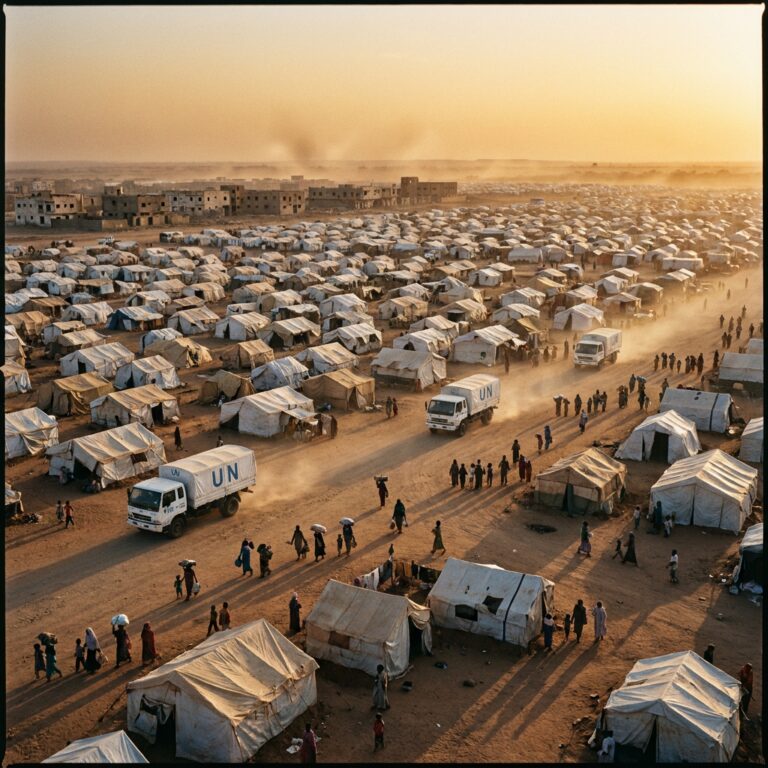
You were told Europe was a global actor, a normative power whose partnerships were built on values. So why, as you read this, does the Sahel—a region whose stability directly gates your own security—feel like a testament to Europe's strategic absence? The coups in Mali, Burkina Faso, and Niger between 2020 and 2023 did not just topple governments; they severed the thread of European influence, creating a vacuum now filled by Russian mercenaries, Chinese deals, and a transactional American pragmatism. The result, as a stark analysis from the German Institute for International and Security Affairs confirms, is not stability but a deepening quagmire of jihadist violence and regional tension [1]. We are witnessing a failure not of intention, but of architecture and nerve. #Sahel #SahelKrise #WagnerGruppe #AES #SahelAllianz #SahelPolitik

The Blank Cheque: How Germany Rewrote Its Constitution, Committed a Trillion Euros, and Remained an American Client.

Politician speaking in parliament with economic crisis imagery

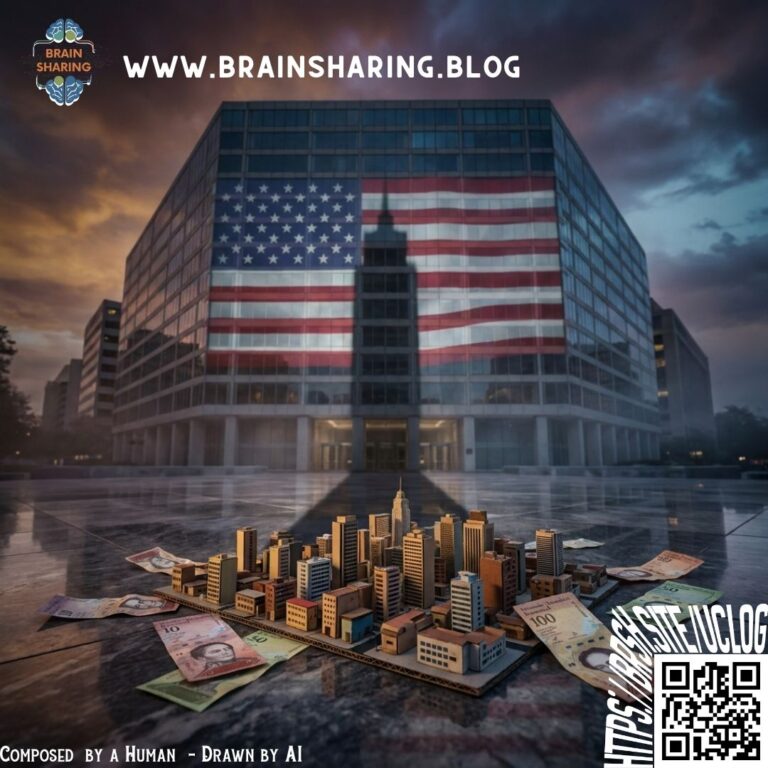
On March 18, 2025, the German Bundestag voted 517 to 207 to amend the Grundgesetz — Germany's Basic Law, the foundational constitutional document that emerged from the rubble of the Second World War and has governed the republic ever since — to carve out an unlimited borrowing exemption for defence spending. Three days later, on March 21, the Bundesrat completed the constitutional process, giving the reform the force of law. Any military expenditure exceeding 1% of GDP would, from that moment forward, be entirely free of the Schuldenbremse — the debt brake — the fiscal rule that Germany had inscribed into its own constitution in 2009 and had held up to the rest of Europe as a model of budgetary discipline for a generation. Critically, the new law does not merely cover Bundeswehr procurement. It explicitly extends the borrowing exemption to cover military aid to "countries attacked in violation of international law" — a permanent, constitutionally shielded financing window for the war in Ukraine, written directly into the Basic Law. #Schuldenbremse #Grundgesetz #Zeitenwende #Verteidigungsausgaben #Bundestag

Iran’s Crucible: How the US-Iran War Exposes the Crumbling Architecture of American Hegemony

Naval warship at sea during dramatic sunset

The United States has launched direct military operations against Iran, striking nuclear enrichment facilities, Revolutionary Guard command nodes, and critical energy infrastructure across the country. The campaign, which began in late March 2026, represents the most significant direct US military engagement in the Middle East since the 2003 Iraq invasion — and arguably the most consequential test of American power projection since the end of the Cold War. Tehran has retaliated with ballistic missile strikes on US bases in the Gulf, proxy activations across Iraq, Syria, Lebanon, and Yemen, and a credible threat to close the Strait of Hormuz. What was sold as a decisive strike against a weakened adversary is rapidly becoming a grinding, multi-front confrontation that reveals more about American vulnerability than American strength. / #IranWar #USIran #USStrikesIran #OperationEpicFury #StraitOfHormuz #TrumpIranWar

Brussels’ Democratic Decay: Five EU States Caught Red-Handed Eroding Rule of Law.

EU flag in parliament chamber with treaty document

The rule of law is of paramount importance and is the foundation of economic growth, social investment, and civil liberties. Economic Growth: Governments must foster competitive markets and innovation, but not by creating a race to the bottom on legal protections. Strong, independent institutions are the best guarantor of long-term business confidence and sustainable growth. Social Investment: Universal access to quality healthcare, education, and social security is a baseline obligation. Eroding the rule of law to centralize power inevitably starves these systems of accountability and resources, betraying the public trust. Civil Liberties: Freedom of speech, press, assembly, and privacy are the oxygen of a free society. Any policy that suffocates these rights, regardless of the political banner it flies under, is an attack on the very idea of Europe. The gap between this standard and the actions of the five governments is not a policy difference; it is a chasm between democracy and its opposite. #RuleOfLaw #EUPolitics #DemocracyUnderThreat #CivilLiberties #EuropeanUnion #GeopoliticalRisk

Why NASA Is Going Back to the Moon: Inside the New Lunar Race

Astronaut planting flag on Moon near lunar lander

The bottom line: the Moon is no longer a relic of Cold War nostalgia. It is becoming the most strategically contested real estate beyond Earth. Whether the United States or China establishes a sustained presence first will shape space governance, resource access, and technological leadership for the rest of this century. For everyday Americans, this race will drive job creation, technology spinoffs, and — eventually — lower costs for satellite services like GPS, weather forecasting, and broadband that billions of people already depend on. / #NASAArtemis #SpaceExploration #LunarRace #MoonBase #SpaceGeopolitics #ArtemisProgramme

WTO Holds Crunch Meeting as Multilateral Trade System Teeters on the Edge.

World Trade Organization meeting with international delegates

When the rules‑based trading system weakens, consumers pay more, businesses face greater uncertainty, and global growth slows. With MC14 in Yaoundé ending in deadlock and the e‑commerce moratorium lapsing, the WTO’s credibility has taken a visible hit. The key question now is whether the U.S. and EU can still bridge their differences on dispute settlement reform and basic institutional fixes in the aftermath. If they fail, the system will drift further toward fragmentation, with bilateral and minilateral deals – not the WTO – increasingly setting the rules of global // #WTOCrisis #GlobalTrade #MultilateralSystem #TradePolicy #DisputeSettlement #TariffWarstrade.

Europe’s Defense Imperative: Preparing for a Post-American Security Architecture.

Officials reviewing illuminated digital map of Europe

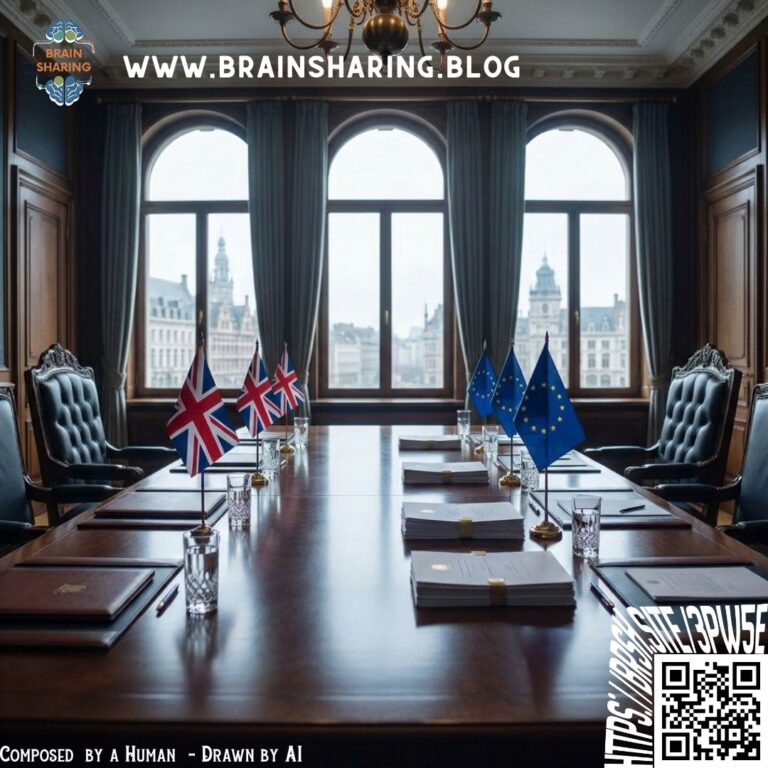
This is a moment of critical failure for EU geopolitical performance. While the UK report originates outside the EU institutions, it holds up a mirror to Brussels' chronic indecision. The EU has the economic weight, the institutional frameworks, and the normative authority to lead a coherent European defense revolution. Instead, it continues to operate as a committee, prioritizing process over power, consensus over capability. Indecision is not neutrality; it is a strategic choice that cedes the initiative to adversaries and partners alike. / #Geopolitics #EuropeanSecurity #NATO #StrategicAutonomy #DefencePolicy #TransatlanticRelations

Germany’s Iron Return: Berlin’s Military Resurrection Redraws Europe’s Power Map.

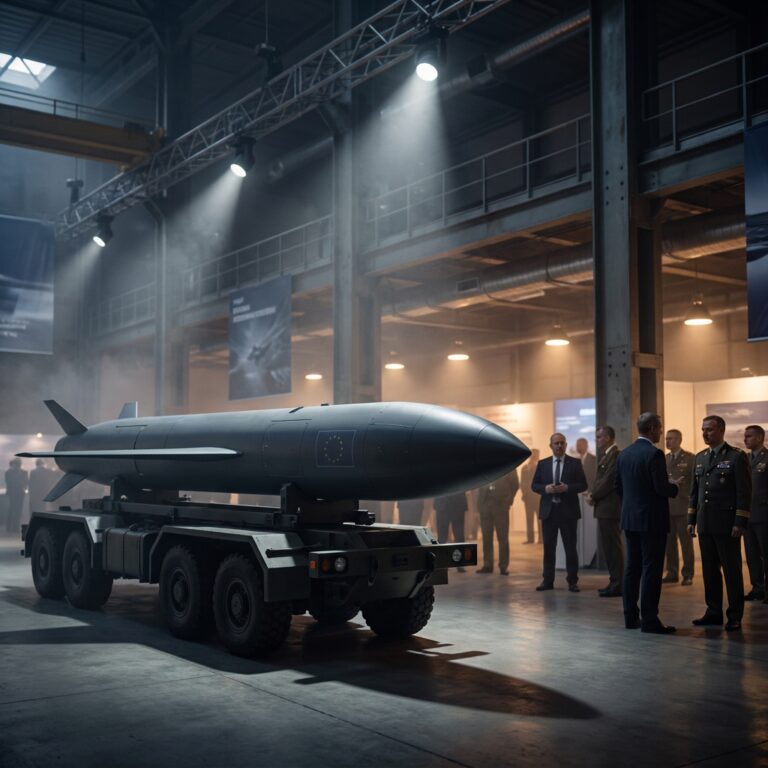
Tank and missile launch at snowy coastline

The strategic thesis is clear: Germany has chosen to re-enter history as a military power. Its success will determine whether Europe becomes a sovereign strategic actor or remains a vulnerable protectorate. The era of German restraint is over; the era of German responsibility has begun, and with it, the final remaking of the post-Cold War world.#GermanyMilitaryExpansion, #BundeswehrAufbau, #CarstenBreuer, #RussiaNATO2029, #BerlinSecurityArchitecture, #EuropeanPowerShift

The G7’s Uninvited Guest: Strategic Exclusion and the Specter of Coerced Diplomacy.

Officials carrying ornate chair with South African flag

This is a stark failure. The EU, and specifically France, chose to be a vassal in someone else's geopolitical drama rather than a sovereign actor defending its own diplomatic channels. The cost is measured in lost credibility across Africa and the Global South. A strategically assertive EU would have publicly rejected the coercion, stating clearly that its guest list is its own, and that dialogue with non-aligned states is essential, not optional. Instead, Brussels demonstrated that its strategic autonomy is, for now, a paper doctrine. When pressured, it folds. // #Geopolitics #G7 #SouthAfrica #USForeignPolicy #StrategicAutonomy #Diplomacy