
Category West & Central Asia.

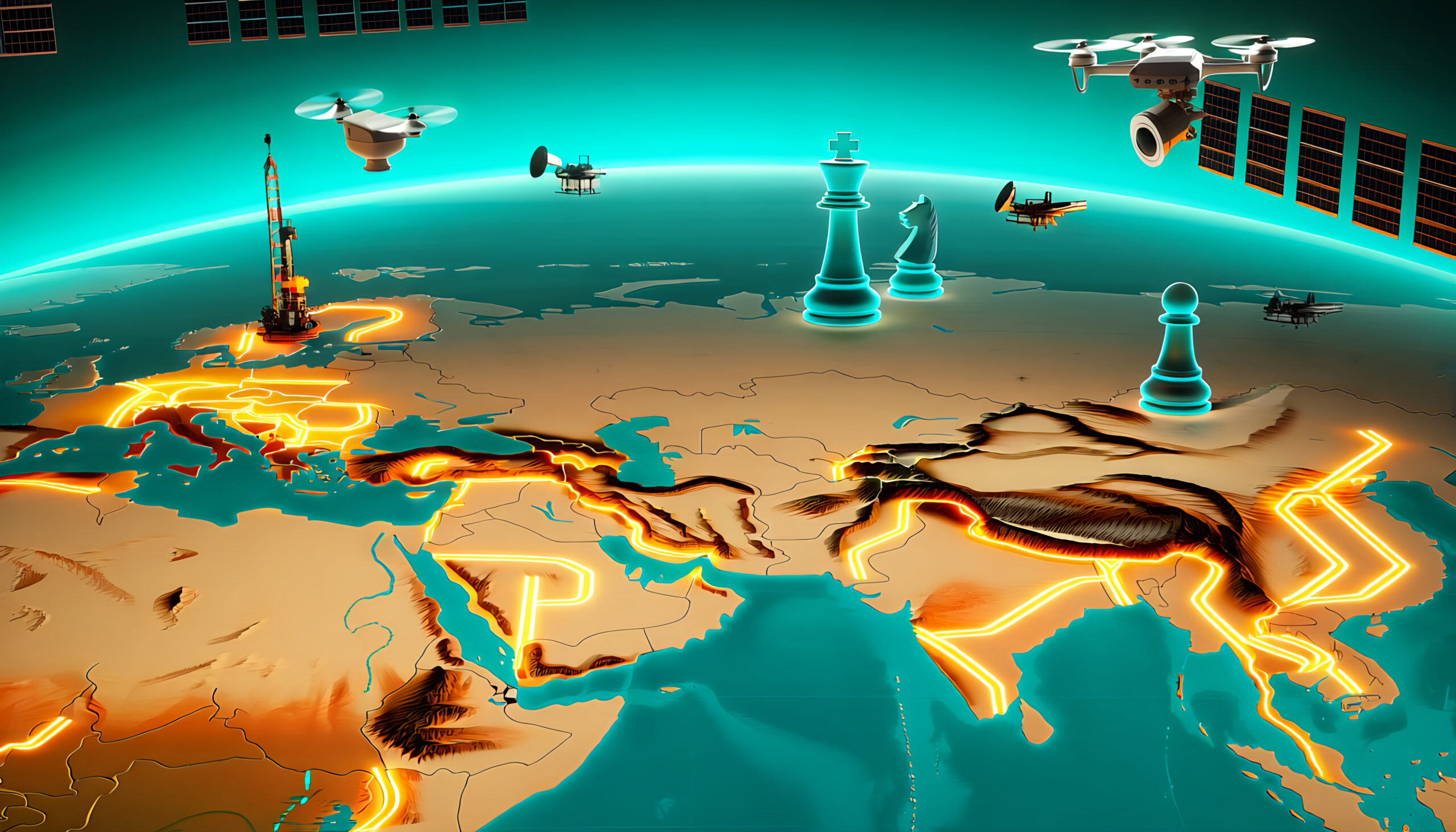
[caption id="attachment_170961260" align="aligncenter" width="300"]Stylized map of West and Central Asia glowing in teal and orange, with bright energy pipelines, mountain ranges, chess pieces, drones, and satellites symbolizing strategic power and surveillance across the region The image shows a curved, digital-style map stretching from the eastern Mediterranean and Arabian Peninsula through Iran to Central and South Asia, tinted in sandy beige and teal. Fiery orange lines trace pipelines and trade corridors over deserts, coasts, and mountain chains. Large luminous chess pieces stand over key areas, while drones, aircraft, and satellite arrays hover against a turquoise sky, highlighting surveillance, energy competition, and great‑power maneuvering across this critical region.[/caption]

West & Central Asia explores the geopolitics of the Middle East, Gulf states, Turkey, the Levant, and Central Asian republics such as Kazakhstan and Uzbekistan. This category covers energy politics, conflicts, religious and ethnic tensions, corridors linking Europe and Asia, and shifting great‑power influence across the region.

Iran’s Crucible: How the US-Iran War Exposes the Crumbling Architecture of American Hegemony

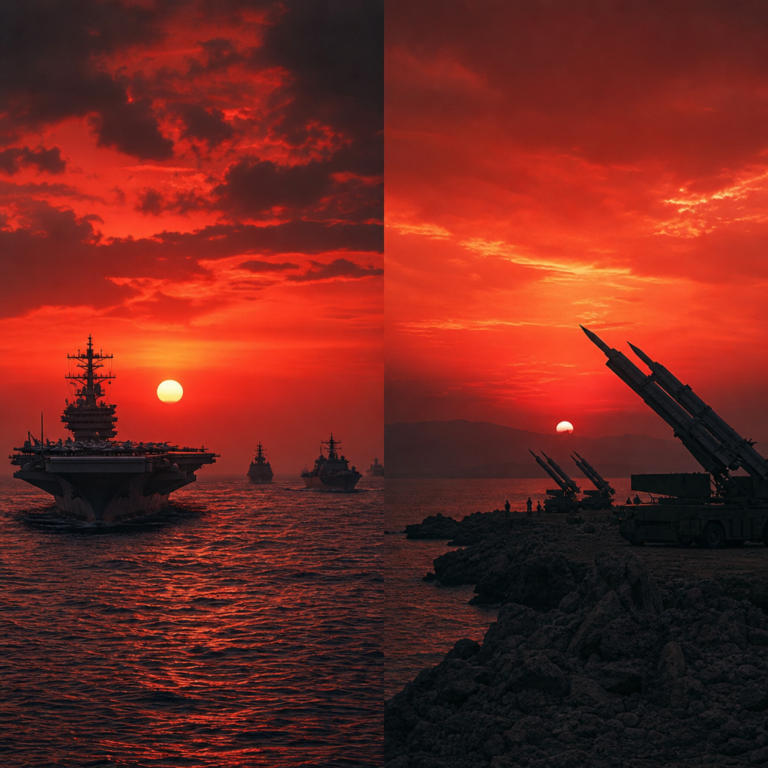
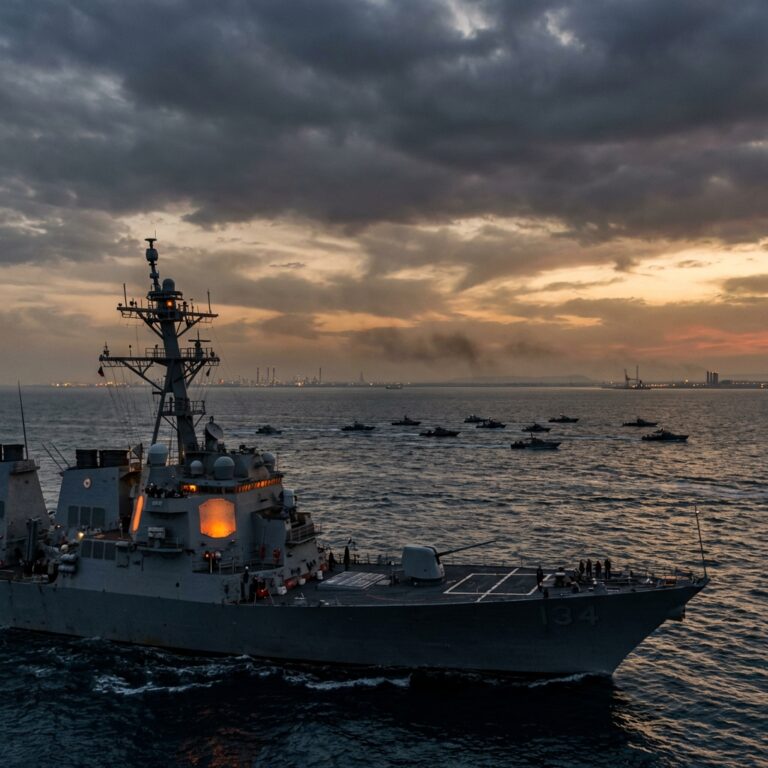
Naval warship at sea during dramatic sunset

The United States has launched direct military operations against Iran, striking nuclear enrichment facilities, Revolutionary Guard command nodes, and critical energy infrastructure across the country. The campaign, which began in late March 2026, represents the most significant direct US military engagement in the Middle East since the 2003 Iraq invasion — and arguably the most consequential test of American power projection since the end of the Cold War. Tehran has retaliated with ballistic missile strikes on US bases in the Gulf, proxy activations across Iraq, Syria, Lebanon, and Yemen, and a credible threat to close the Strait of Hormuz. What was sold as a decisive strike against a weakened adversary is rapidly becoming a grinding, multi-front confrontation that reveals more about American vulnerability than American strength. / #IranWar #USIran #USStrikesIran #OperationEpicFury #StraitOfHormuz #TrumpIranWar

Strategic Distraction: How US-Iran Tensions Hand China a Geopolitical Gift

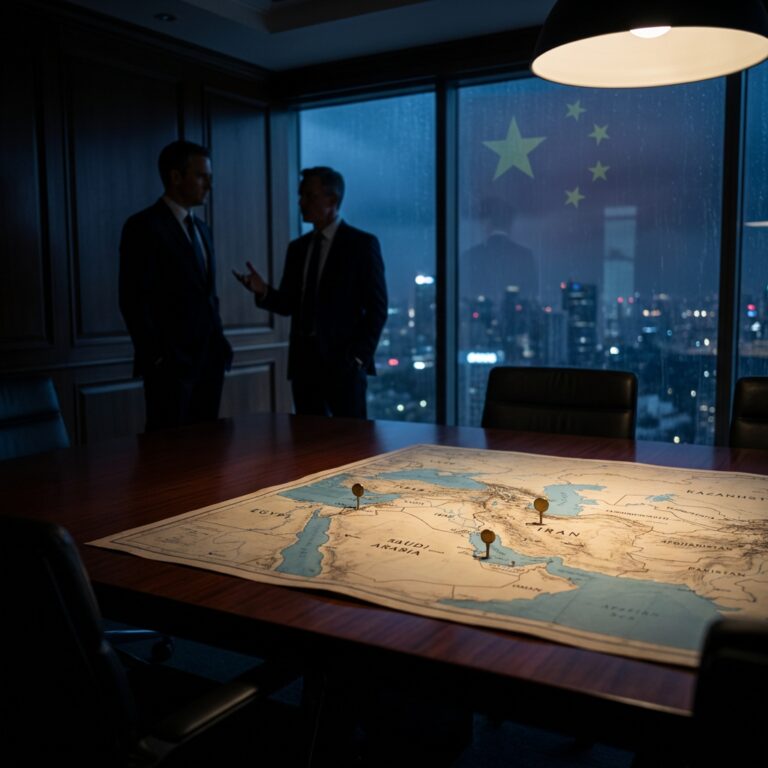
Businessmen discussing Middle East map at night office

#Geopolitics #USElection2024 #IranCrisis #ChinaRising #MiddleEast #EnergySecurity / The escalating confrontation between the United States and Iran is not merely a regional crisis; it is a strategic accelerant for China's global ambitions. As Washington's attention, diplomatic capital, and military assets are drawn into a volatile standoff with Tehran, Beijing is capitalizing on the distraction to consolidate its position, secure economic interests, and advance its narrative as a stable alternative to a conflict-prone West. This dynamic represents a classic geopolitical diversion, weakening America's capacity to focus on its stated priority: strategic competition in the Indo-Pacific.

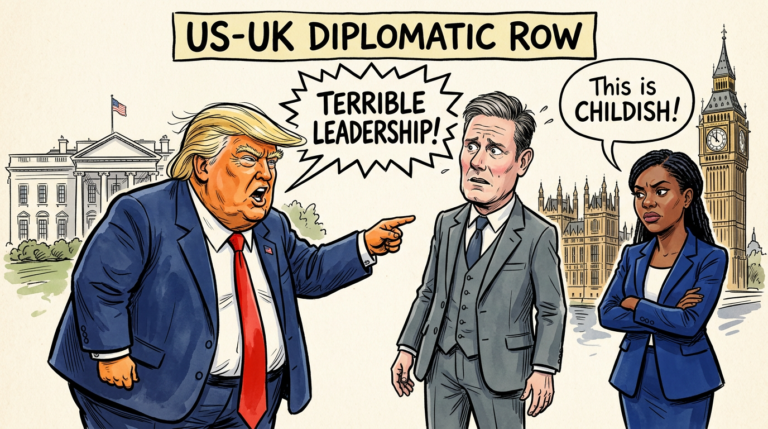
Kemi Badenoch Calls Donald Trumps Repeated Attacks on Keir Starmer Childish

Caricature of Donald Trump shouting at Keir Starmer while Kemi Badenoch looks on calling his attacks childish.

Public rifts between London and Washington over the Iran conflict risk signaling disunity to adversaries and complicating coordinated policy. - UK domestic opinion is shaping leaders’ positions, limiting London’s willingness to expand its military role. - Trump’s pressure and rhetoric, including trade-linked expectations, test the resilience of the UK-US relationship. - Operational caution in the Strait of Hormuz shows London prioritizing risk management over rapid deployments. - Badenoch’s shift from alignment with Trump to criticizing the White House suggests the UK’s political landscape is moving away from overt support for deeper involvement in the war.