
Category US Geopolitics

united states as a geopolitical nerve center

US Geopolitics explores how the United States uses its geographic position, military reach, alliances, and economic power to shape global politics and security. This category examines strategy, rivalries, and regional dynamics, highlighting how American decisions affect international order, trade routes, and conflict or cooperation worldwide

Is the Dollar’s Last Decade Already Here?

Stack of cash on boardroom table

What if the most significant geopolitical shift of our time isn't happening on a battlefield, but in a ledger? While the world watches wars, a quieter, more profound rebellion is unfolding — one aimed not at territory, but at the very architecture of global power. The weapon is a shared desire to dethrone the dollar. The method is slow, deliberate, and increasingly confident bypass. #BRICS, #DeDollarization, #USDollar, #GlobalEconomy, #BRICSExtension, #FinancialSovereignty
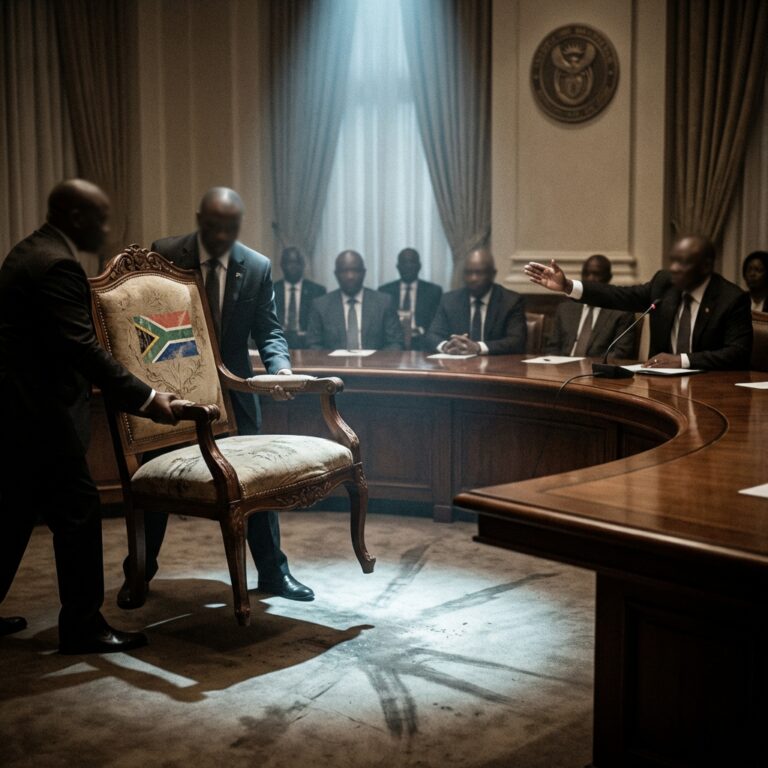
The G7’s Uninvited Guest: Strategic Exclusion and the Specter of Coerced Diplomacy.

Officials carrying ornate chair with South African flag

This is a stark failure. The EU, and specifically France, chose to be a vassal in someone else's geopolitical drama rather than a sovereign actor defending its own diplomatic channels. The cost is measured in lost credibility across Africa and the Global South. A strategically assertive EU would have publicly rejected the coercion, stating clearly that its guest list is its own, and that dialogue with non-aligned states is essential, not optional. Instead, Brussels demonstrated that its strategic autonomy is, for now, a paper doctrine. When pressured, it folds. // #Geopolitics #G7 #SouthAfrica #USForeignPolicy #StrategicAutonomy #Diplomacy

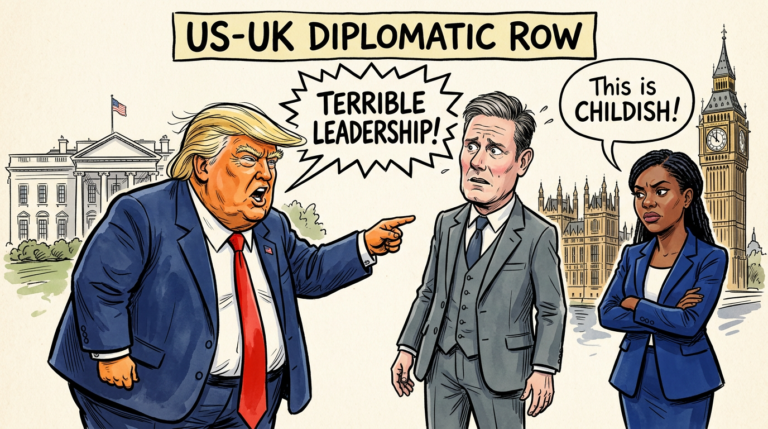
Kemi Badenoch Calls Donald Trumps Repeated Attacks on Keir Starmer Childish

Caricature of Donald Trump shouting at Keir Starmer while Kemi Badenoch looks on calling his attacks childish.

Public rifts between London and Washington over the Iran conflict risk signaling disunity to adversaries and complicating coordinated policy. - UK domestic opinion is shaping leaders’ positions, limiting London’s willingness to expand its military role. - Trump’s pressure and rhetoric, including trade-linked expectations, test the resilience of the UK-US relationship. - Operational caution in the Strait of Hormuz shows London prioritizing risk management over rapid deployments. - Badenoch’s shift from alignment with Trump to criticizing the White House suggests the UK’s political landscape is moving away from overt support for deeper involvement in the war.