
Tag Geopolitics

Germany’s Iron Return: Berlin’s Military Resurrection Redraws Europe’s Power Map.
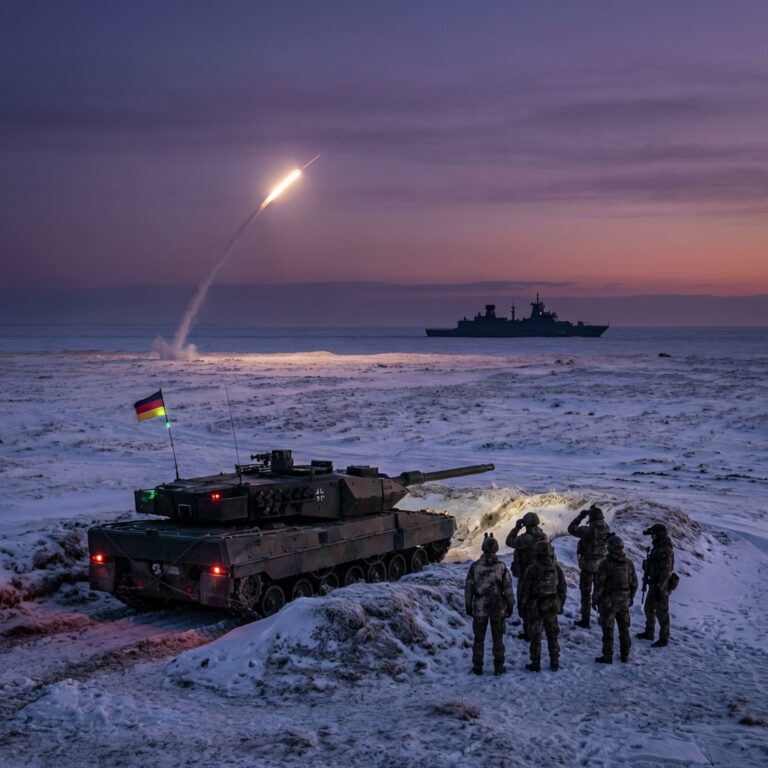
Tank and missile launch at snowy coastline

The strategic thesis is clear: Germany has chosen to re-enter history as a military power. Its success will determine whether Europe becomes a sovereign strategic actor or remains a vulnerable protectorate. The era of German restraint is over; the era of German responsibility has begun, and with it, the final remaking of the post-Cold War world.#GermanyMilitaryExpansion, #BundeswehrAufbau, #CarstenBreuer, #RussiaNATO2029, #BerlinSecurityArchitecture, #EuropeanPowerShift
The G7’s Uninvited Guest: Strategic Exclusion and the Specter of Coerced Diplomacy.

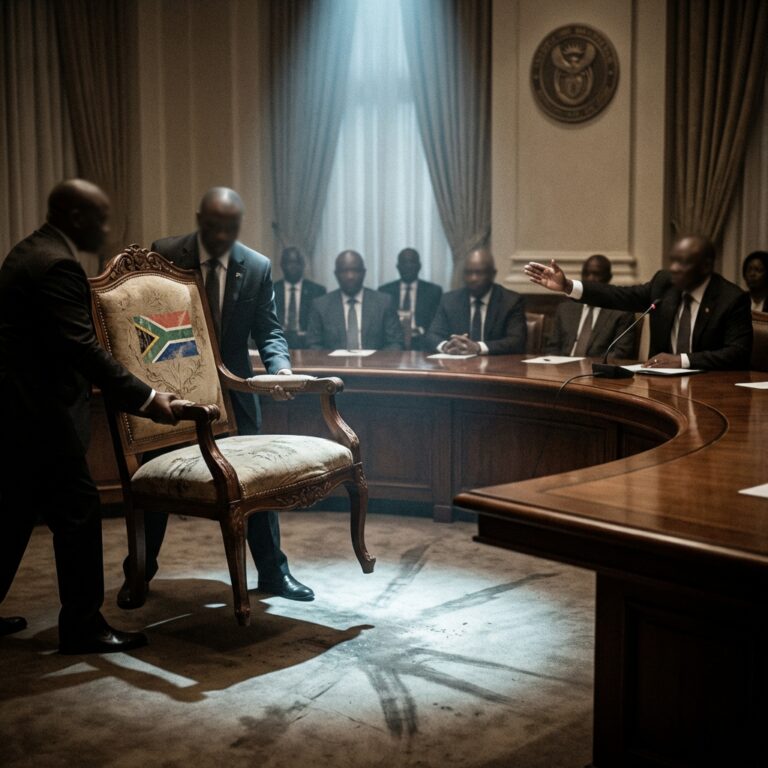
Officials carrying ornate chair with South African flag

This is a stark failure. The EU, and specifically France, chose to be a vassal in someone else's geopolitical drama rather than a sovereign actor defending its own diplomatic channels. The cost is measured in lost credibility across Africa and the Global South. A strategically assertive EU would have publicly rejected the coercion, stating clearly that its guest list is its own, and that dialogue with non-aligned states is essential, not optional. Instead, Brussels demonstrated that its strategic autonomy is, for now, a paper doctrine. When pressured, it folds. // #Geopolitics #G7 #SouthAfrica #USForeignPolicy #StrategicAutonomy #Diplomacy

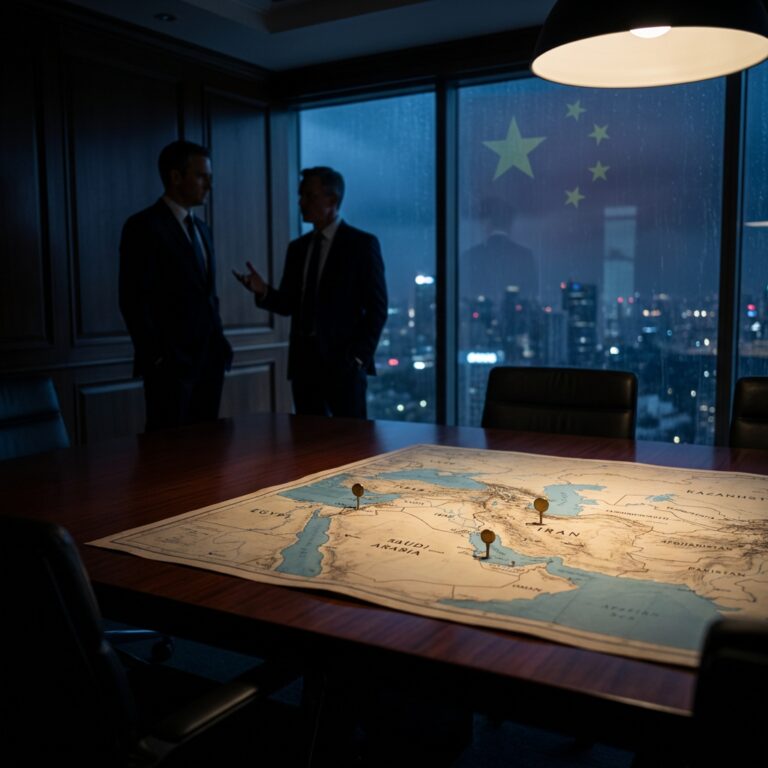
Strategic Distraction: How US-Iran Tensions Hand China a Geopolitical Gift

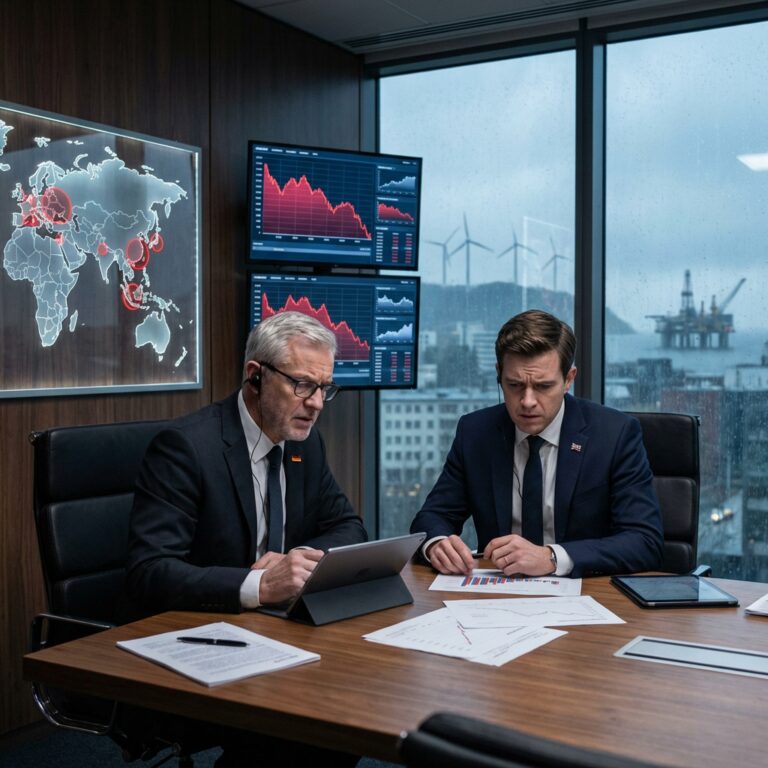
Businessmen discussing Middle East map at night office

#Geopolitics #USElection2024 #IranCrisis #ChinaRising #MiddleEast #EnergySecurity / The escalating confrontation between the United States and Iran is not merely a regional crisis; it is a strategic accelerant for China's global ambitions. As Washington's attention, diplomatic capital, and military assets are drawn into a volatile standoff with Tehran, Beijing is capitalizing on the distraction to consolidate its position, secure economic interests, and advance its narrative as a stable alternative to a conflict-prone West. This dynamic represents a classic geopolitical diversion, weakening America's capacity to focus on its stated priority: strategic competition in the Indo-Pacific.