
Category West & Central Asia.

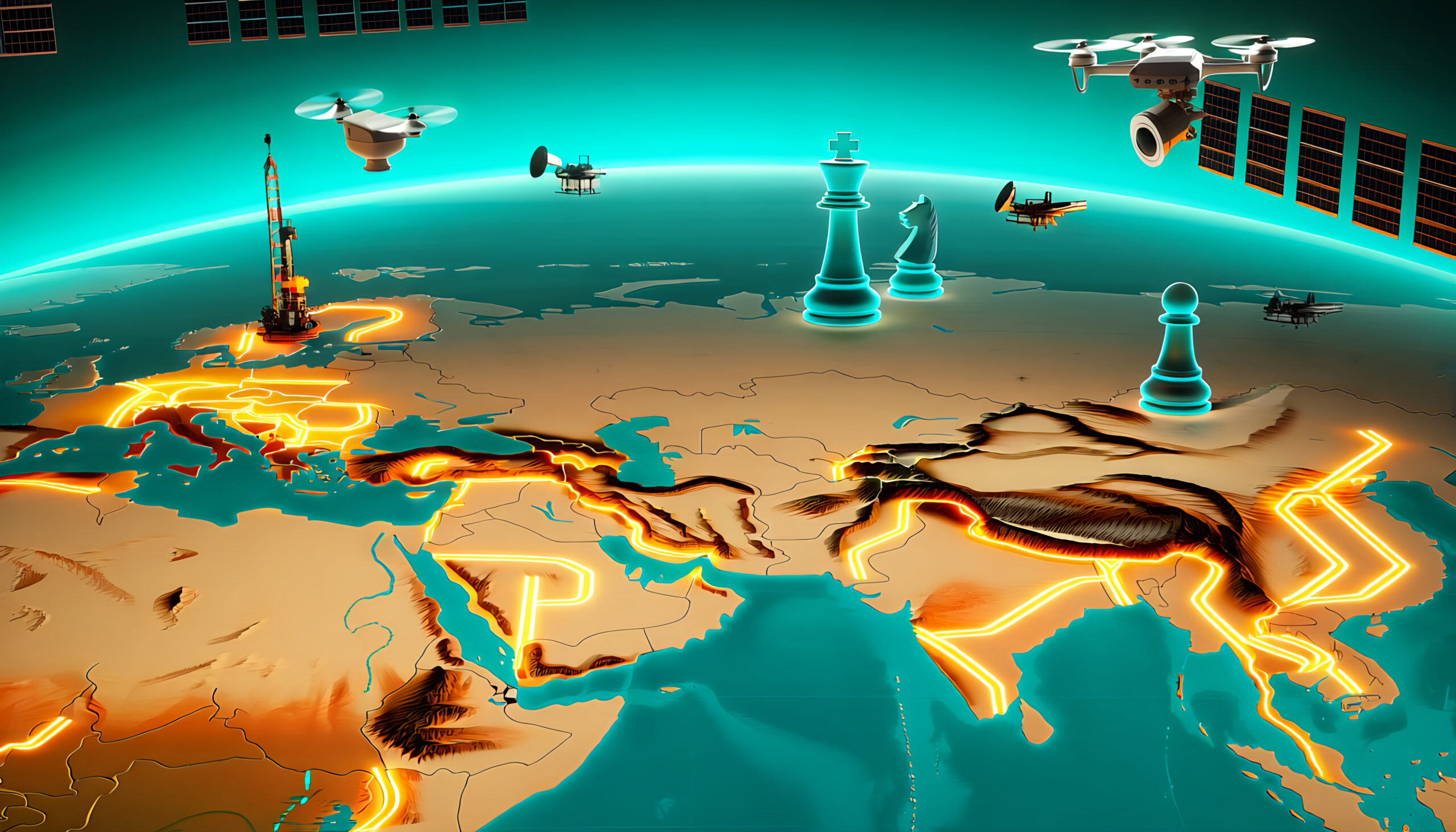
[caption id="attachment_170961260" align="aligncenter" width="300"]Stylized map of West and Central Asia glowing in teal and orange, with bright energy pipelines, mountain ranges, chess pieces, drones, and satellites symbolizing strategic power and surveillance across the region The image shows a curved, digital-style map stretching from the eastern Mediterranean and Arabian Peninsula through Iran to Central and South Asia, tinted in sandy beige and teal. Fiery orange lines trace pipelines and trade corridors over deserts, coasts, and mountain chains. Large luminous chess pieces stand over key areas, while drones, aircraft, and satellite arrays hover against a turquoise sky, highlighting surveillance, energy competition, and great‑power maneuvering across this critical region.[/caption]

West & Central Asia explores the geopolitics of the Middle East, Gulf states, Turkey, the Levant, and Central Asian republics such as Kazakhstan and Uzbekistan. This category covers energy politics, conflicts, religious and ethnic tensions, corridors linking Europe and Asia, and shifting great‑power influence across the region.

International Tensions Spark New Nuclear Threat.
International Tensions Spark New Nuclear Threat

German Chancellor Friedrich Merz opened the 62nd Munich Security Conference by declaring that the post-war rules-based order ‘no longer exists’, there was plenty of evidence to back his claim. Israel is committing genocide in Gaza in defiance of international law, Russia is four years into its illegal invasion of Ukraine, the last nuclear arms control treaty between Russia and the USA has just expired and the USA has withdrawn from 66 international bodies and commitments. Since the conference, Israel and the USA have launched another war on Iran, threatening to spark a broader regional conflict.
Iran war's shock waves impact Turkish tourism industry

Iran war's shock waves impact Turkish tourism industry

According to official data, Turkey welcomed approximately 64 million tourists in 2025, which generated revenues of around €56 billion (ca. $64 billion). In terms of numbers, the country overtook Italy in 2024, climbing to fourth place in the world after France, Spain and the United States.Since the COVID-19 pandemic, the tourism sector has invested heavily in comfort and safety. This year, it was hoping to surpass the 65-million-visitor mark and generate approximately €59 billion. But the Israel-US war with Iran has derailed those plans.According to representatives in the tourism industry, hotel reservations and tours in Turkey's eastern and southeastern cities have been cancelled.

Iran war: What is happening on day 22 of US-Israel attacks?

Iran war: What is happening on day 22 of US-Israel attacks?

The war launched by the United States and Israel on Iran has entered its fourth week, with more than 1,400 people reported killed in Iran.

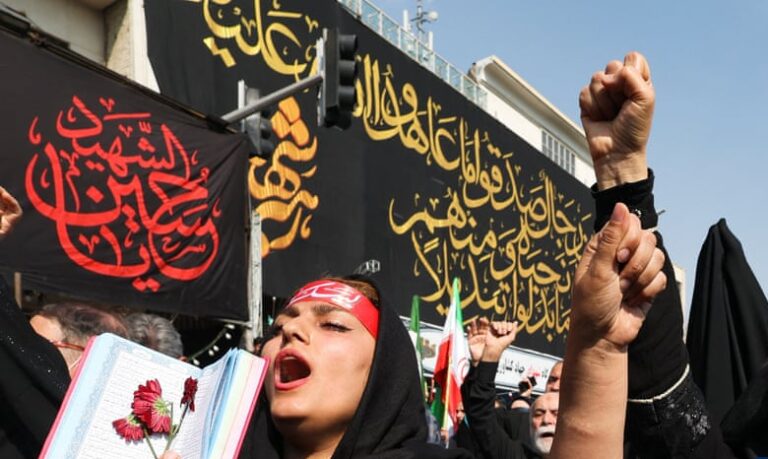
Iran has attacked Israel and US bases in retaliation, threatened Western countries and Gulf states, and warned that global shipping and energy infrastructure could be at risk, as millions of Iranians mark Eid al-Fitr and Nowruz under the shadow of war.

Separately, the US said it was considering “winding down” the conflict while ruling out a ceasefire, and the United Kingdom has allowed the US to use military bases to carry out attacks on Iranian missile sit

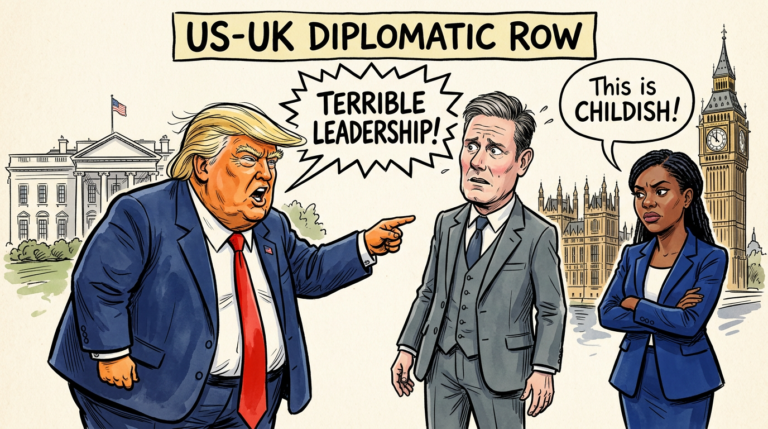
Kemi Badenoch Calls Donald Trumps Repeated Attacks on Keir Starmer Childish

Caricature of Donald Trump shouting at Keir Starmer while Kemi Badenoch looks on calling his attacks childish.

Public rifts between London and Washington over the Iran conflict risk signaling disunity to adversaries and complicating coordinated policy. - UK domestic opinion is shaping leaders’ positions, limiting London’s willingness to expand its military role. - Trump’s pressure and rhetoric, including trade-linked expectations, test the resilience of the UK-US relationship. - Operational caution in the Strait of Hormuz shows London prioritizing risk management over rapid deployments. - Badenoch’s shift from alignment with Trump to criticizing the White House suggests the UK’s political landscape is moving away from overt support for deeper involvement in the war.