





This article is Part 2 of 4 of the series: “Deutschland for Sale” — Germany’s industrial sell-off under foreign ownership
Does foreign takeover actually empty out German manufacturing?
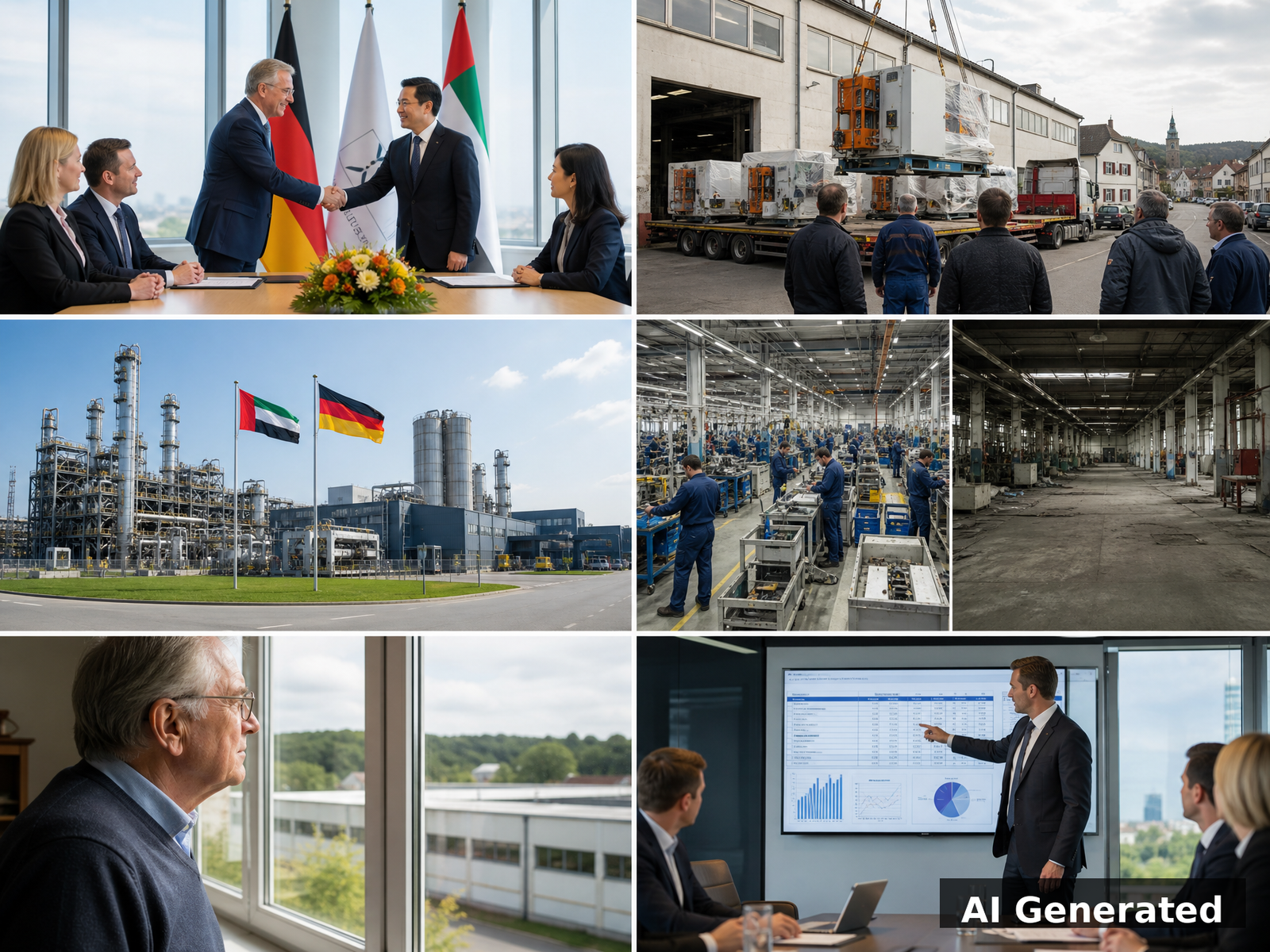
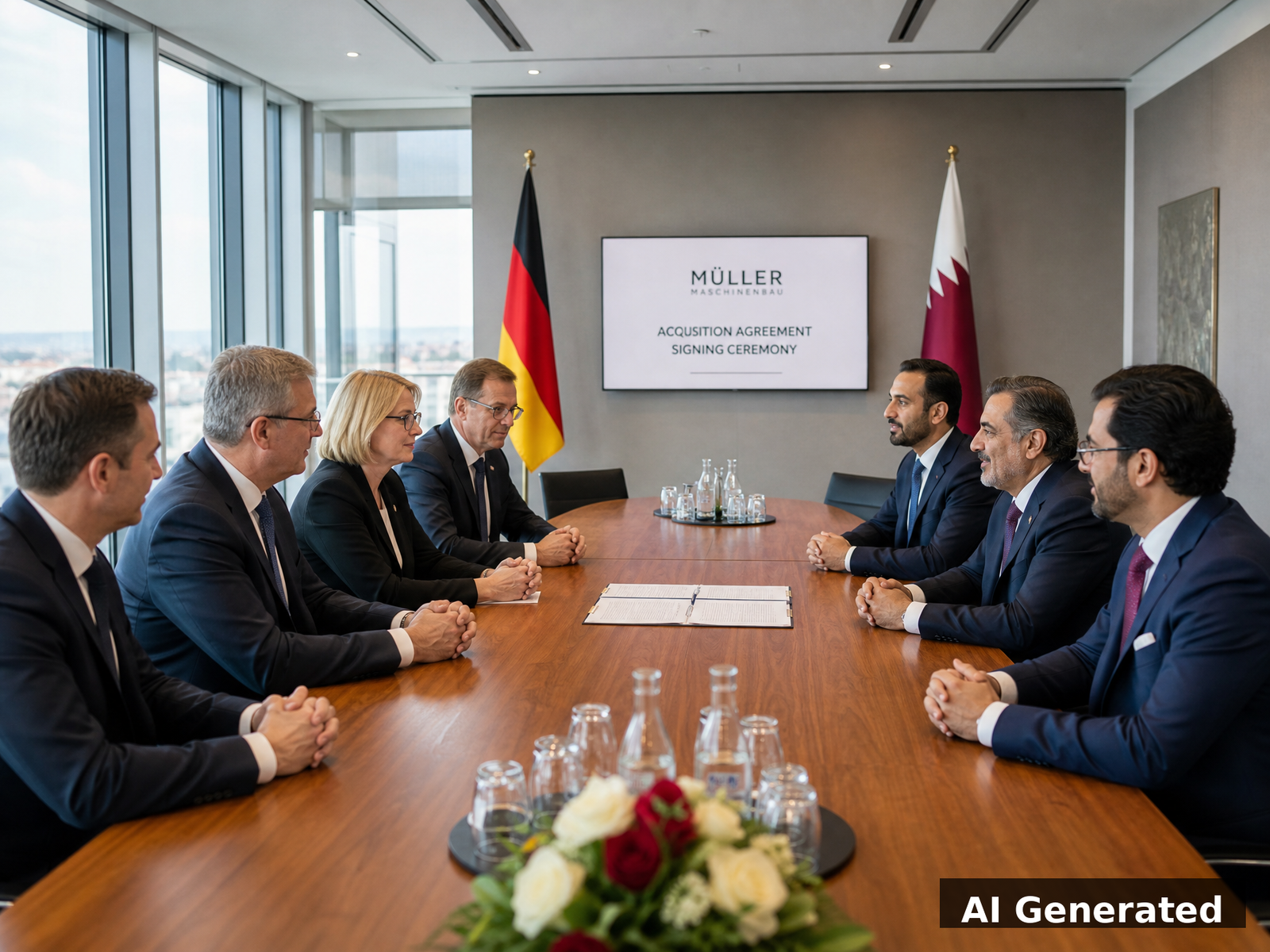
Every big foreign buyer of a German company says the same thing at the signing ceremony. “The sites stay. The jobs stay. We’re investing for the long term.” EBM-Papst’s new American owner promised Mulfingen would remain a research and production site [5]. Surventis, the reborn BASF Coatings business, kept its headquarters in Münster [6]. The Chinese buyer of Perlon swore all three German plants would survive [4].
It sounds reassuring. But there’s a difference between a promise at a press conference and what actually happens once the new owner takes the keys. And in Zweibrücken, a small city in Rhineland-Palatinate, the companies found out exactly what that difference looks like.
The case that breaks the promise
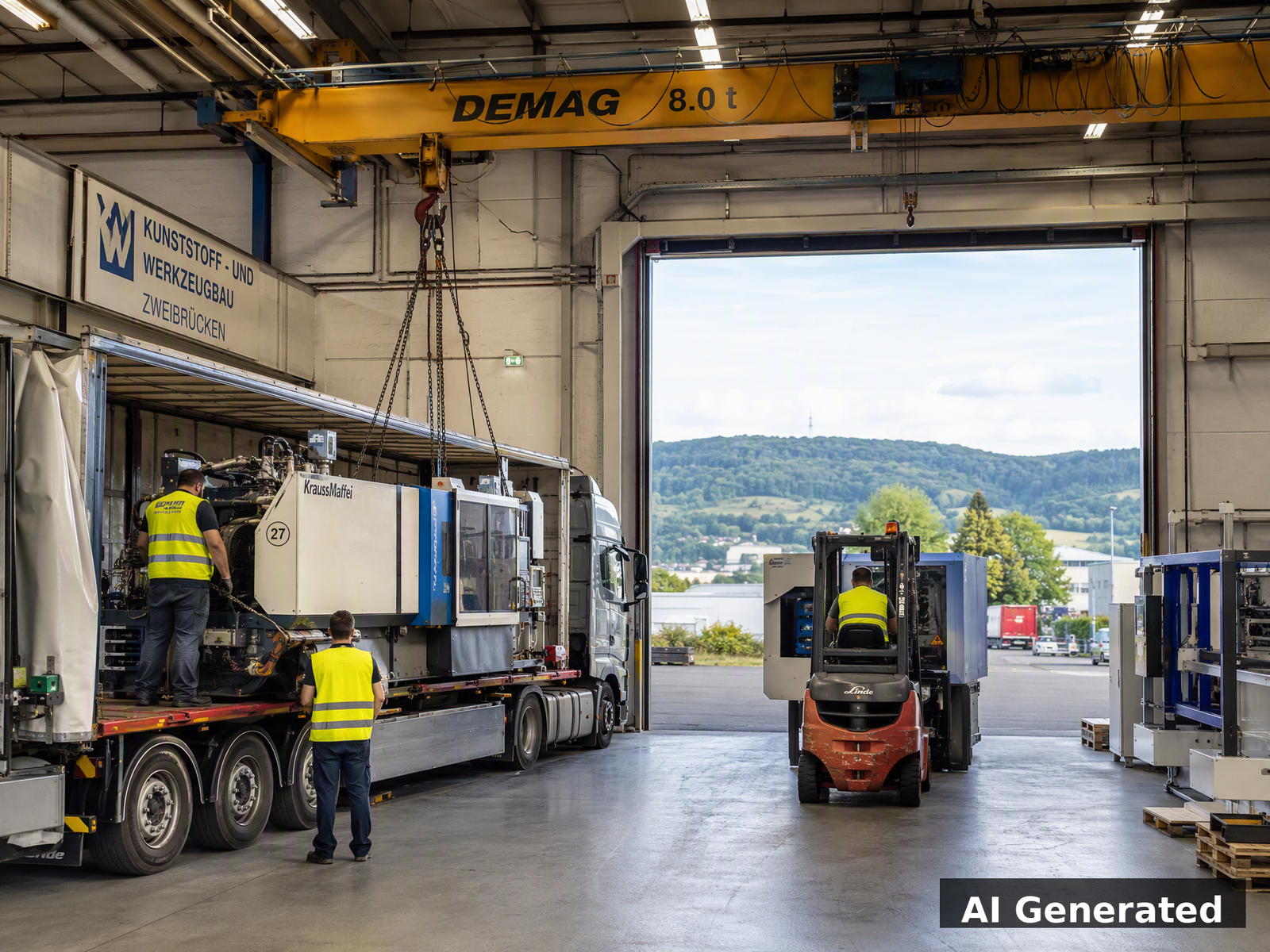
The Schliessmeyer GmbH, a 63-year-old plastics and tooling company, was bought by the Swedish group KB Components in autumn 2025. Within about six months, the closure was announced. By June 2026 the first injection-moulding machines were already being hauled out of the plant, and production was being shifted to KB Components’ factories in Lithuania, Poland and Slovakia. Around 60 employees lost their jobs [1].
This is the hollowing-out scenario, in miniature and on camera: a foreign takeover, a quick decision, and the manufacturing — plus the machines — moving abroad. The mayor of Zweibrücken called it “another traditional company disappearing from the city’s industrial landscape” [1].
So the myth, it turns out, has at least one real corpse. The question is how representative it is.
The other side of the ledger
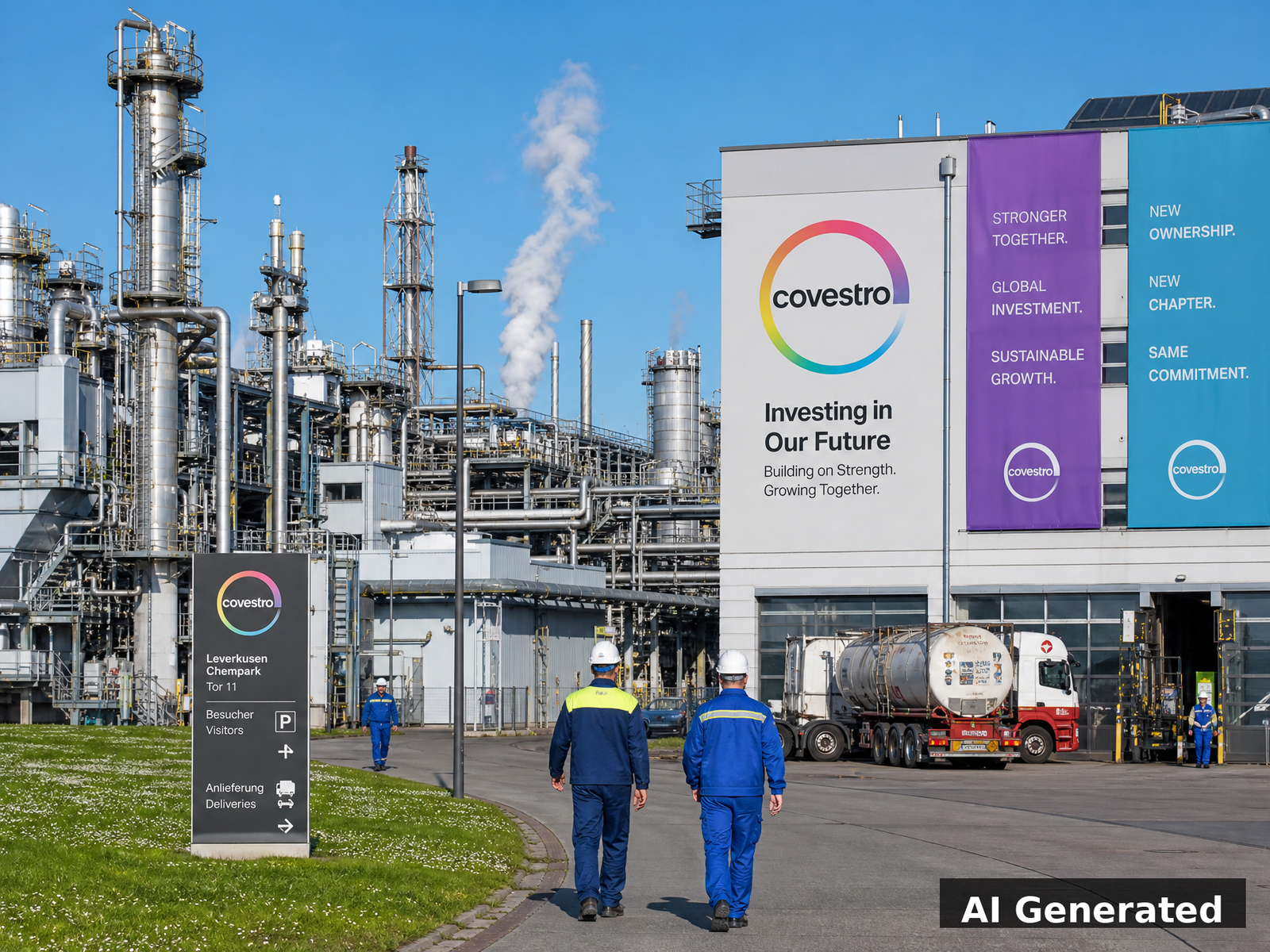
Because for every Schliessmeyer, there are big deals where production genuinely stays put. Covestro’s Emirati owner made it the centrepiece of a new chemicals business rather than a candidate for dismantling. EBM-Papst and Surventis kept their German headquarters and their biggest plants [5][6]. The buyers spent billions on those factories and the patents inside them; tearing them down would be destroying the thing they just paid for.
And here’s the uncomfortable part the alarmists don’t mention: German companies don’t need a foreign buyer to move production abroad. Festo, a family-owned automation giant based in Esslingen, is shifting its entire injection-moulding operation to Turkey by 2030 and cutting roughly 1,300 jobs in Germany — not because an American fund forced it, but because its own board decided the costs and Asian competition demanded it [3]. Heidelberger Druckmaschinen, the world’s oldest printing-press maker, has announced it will shift production to cheaper countries [1]. None of those companies was sold to anyone.
And the offshoring doesn’t even require a German owner or a German buyer. Mecalac, a French machinery group, is closing its German wheel-loader plant in Büdelsdorf and pulling the production into its factories in France, Britain and Turkey [2]. The direction of travel is consistent: high-cost German production is being rationalised away by owners of every nationality — French, Japanese, Swedish, German. What varies is only the speed and the excuse.
Previous in this series: Deutschland for Sale, Part 1: The Survey — Who is buying Germany’s industrial crown jewels?
So is it hollowing out, or a myth?
Both, in a way — and that’s the honest answer.
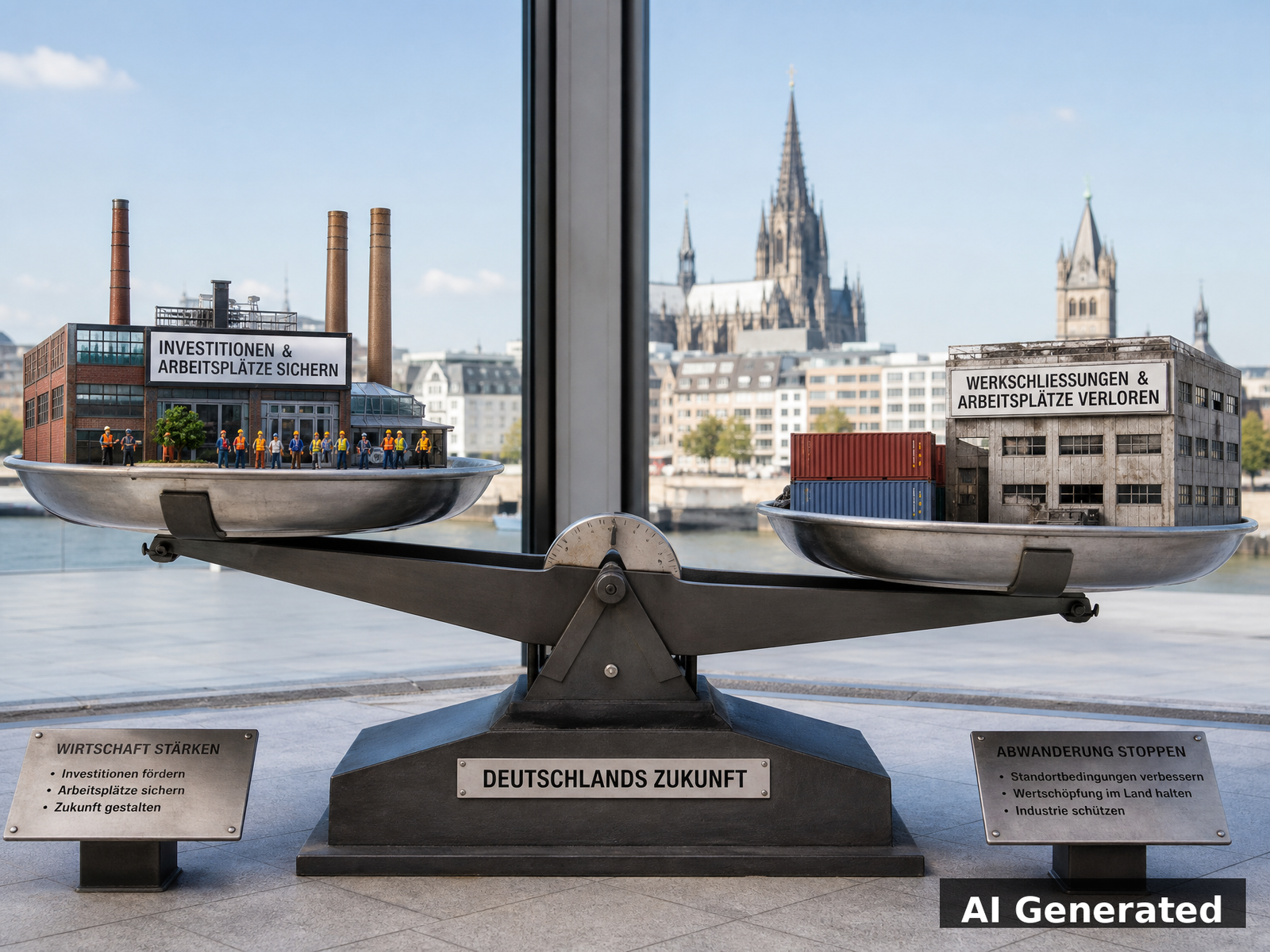
The evidence does not support the claim that foreign takeover reliably leads to offshoring. Most big deals in the 2024–26 wave keep German plants in place [5][6]. But the evidence does show that foreign ownership removes the last brake on relocation. A family owner will often keep an unprofitable plant alive out of loyalty and local pride — sometimes for years, at real cost. A private-equity fund or a distant state investor has no such sentiment. Schliessmeyer was closed within six months of the handover [1]. Yanmar, which bought the Crailsheim machinery plant from Terex back in 2016, waited years — then shut it at the end of 2025 and moved production to France, cutting roughly 290 jobs [2].
Notice what that timing reveals. The takeover itself wasn’t the trigger; the economics were. The plant had been unprofitable for years [2]. Foreign ownership just meant that when the hard decision came, there was no family patriarch to say no.
What the pressure looks like
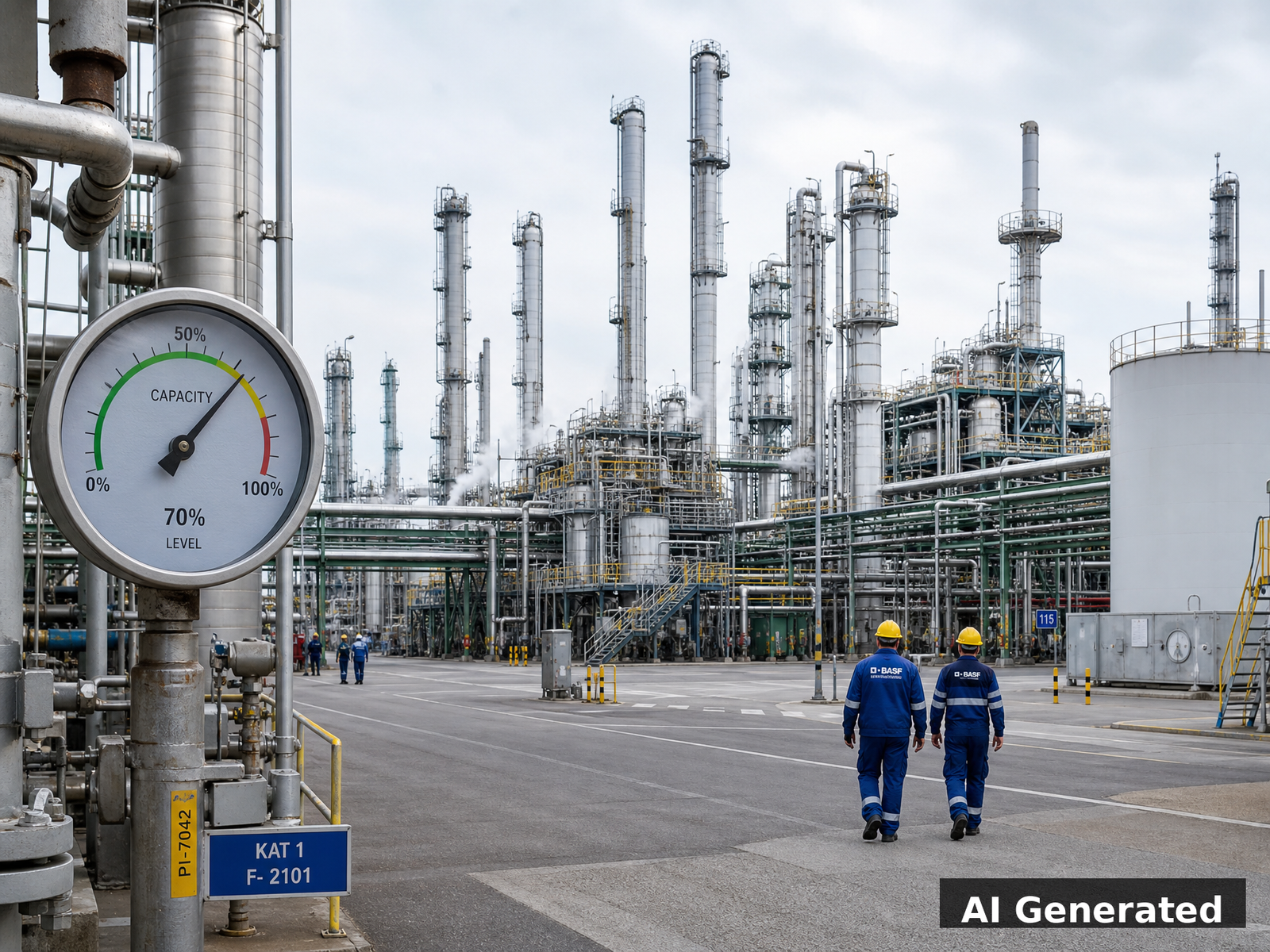
The underlying pressure is real and mounting. German chemicals were running at just 70% of capacity in 2025, with orders down more than a fifth since 2021 [4]. Festo’s revenue fell for three straight years [3]. When an industry runs that cold, every owner — German or foreign, family or fund — starts asking the same question: why are we paying German wages and energy prices for this?
That’s the mechanism that matters. Foreign takeover doesn’t cause the offshoring. It just removes the last line of defence against it.
It also removes something less measurable but just as real: the local knowledge of when to be patient. A family firm that has employed the same town for three generations knows that a plant’s value is not only in its profit line. A fund’s timeline is a spreadsheet. Schliessmeyer’s 60 workers learned that the hard way — six months after the handover, the machines were on trucks [1]. The big-deal promises of 2025 and 2026 — Mulfingen stays, Münster stays — will face their own first downturn soon enough. That’s when the promises get tested.
Takeaway
The myth isn’t the sell-off — Germany is genuinely being sold off, as Part 1 showed. The myth is that foreign ownership is what empties out the factories. The same economics that push Festo to Turkey and Evonik to cut jobs would push a foreign-owned Covestro or EBM-Papst in the same direction tomorrow.
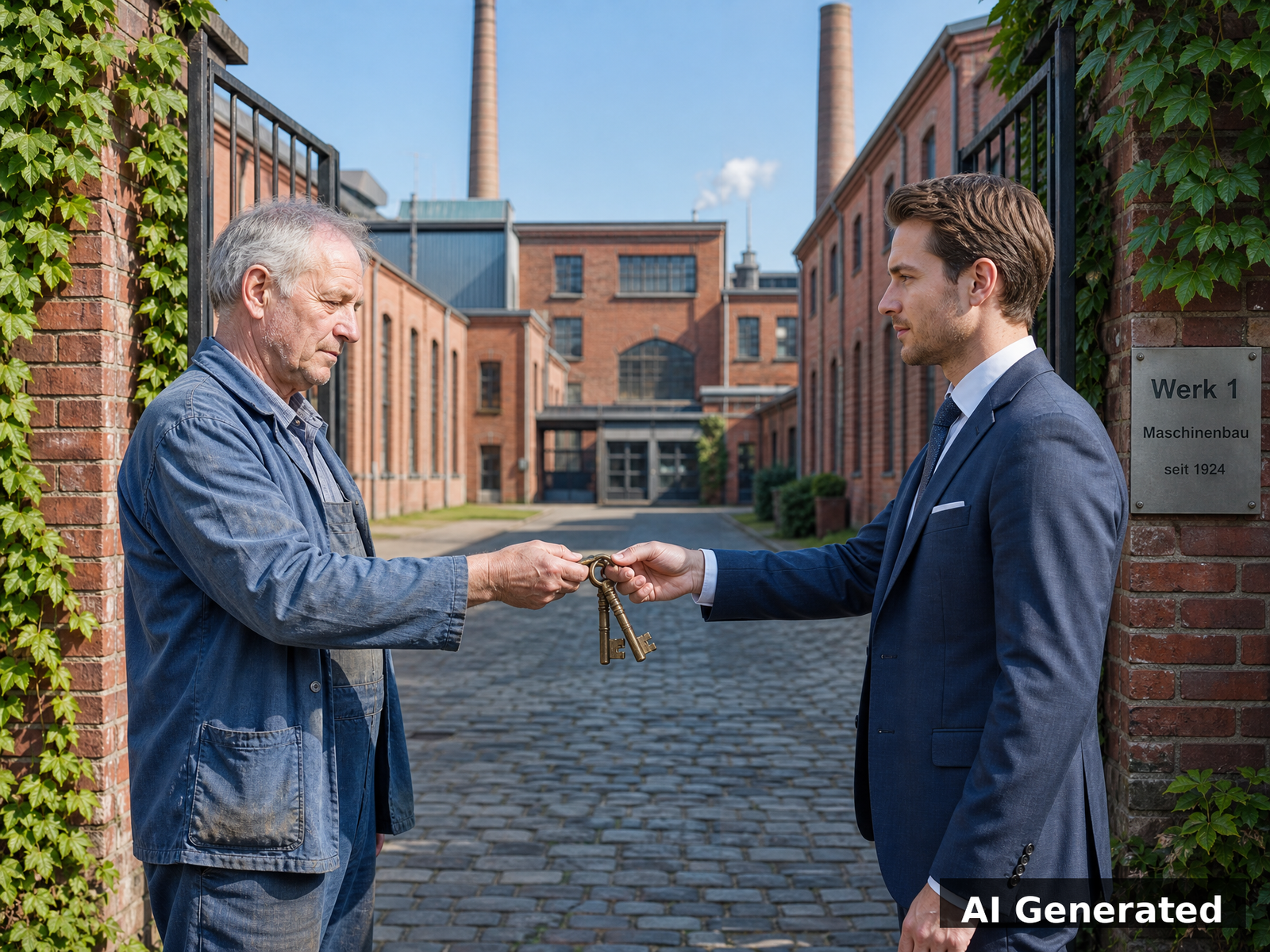
The real difference is timing and mercy. A family owner might bleed money for a decade to save a town. A private-equity fund will make the call in a quarter. So the question isn’t whether German manufacturing gets hollowed out. It’s who will be holding the keys when the next downturn makes that decision unavoidable — and whether they care about Zweibrücken at all.
References
[1] Münchner Merkur. (2026). Konzern macht übernommenes deutsches Unternehmen dicht – nach nur sechs Monaten. Münchner Merkur. Link
[2] Stellmach, H. (2025). Yanmar CE schließt Baumaschinen-Werk in Crailsheim Ende 2025. bau.bi. Link
[3] K-Zeitung. (2026). Festo verlagert Spritzgussfertigung in die Türkei. K-Zeitung (Kunststoff & Gummi). Link
[4] Münchner Merkur. (2026). China-Konzern kauft deutschen Weltmarktführer. Münchner Merkur. Link
[5] Produktion. (2026). Madison Air kauft EBM-Papst für 5,1 Mrd. Euro. Produktion. Link
[6] Surventis. (2026). Surventis startet als eigenständiger, weltweit führender Anbieter für Automobillacke und Oberflächenbehandlung. Surventis/Chemetall. Link
AI Disclosure: This post was created with the assistance of artificial intelligence. The ideas, analysis, and opinions expressed are my own — AI was used to help compose, structure, and refine my personal notes and thoughts into the final written content. Images and video featured in this post were also generated using AI tools, based on my own creative prompts and direction.
You’ve reached the end of Part 2 of 4 of Deutschland for Sale. Part 3 — the drivers of the sell-off and Germany’s response — is coming next.
