Canada’s Defense Spending: Finally Hitting the 2% Target or Just Creative Accounting?

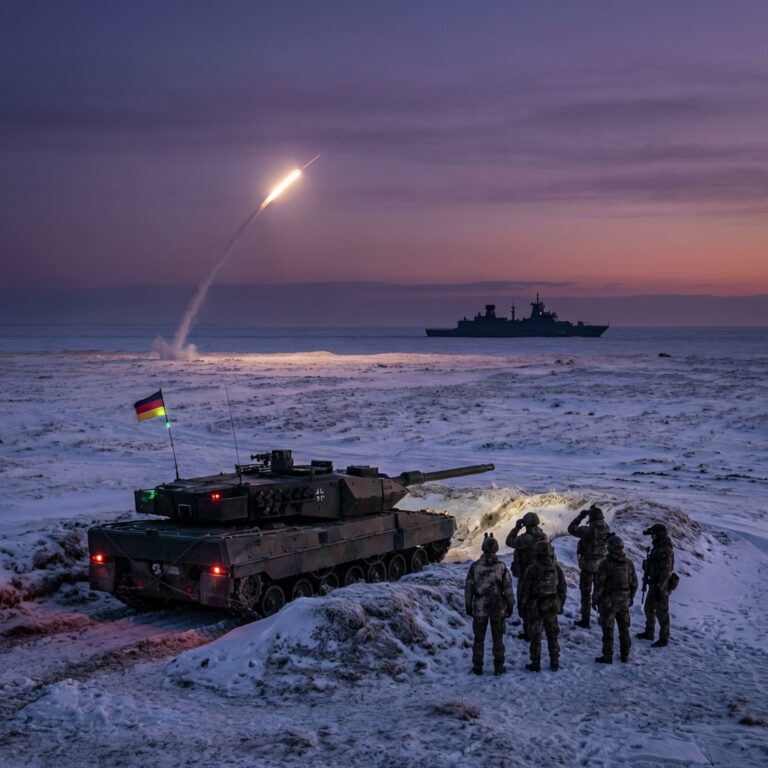
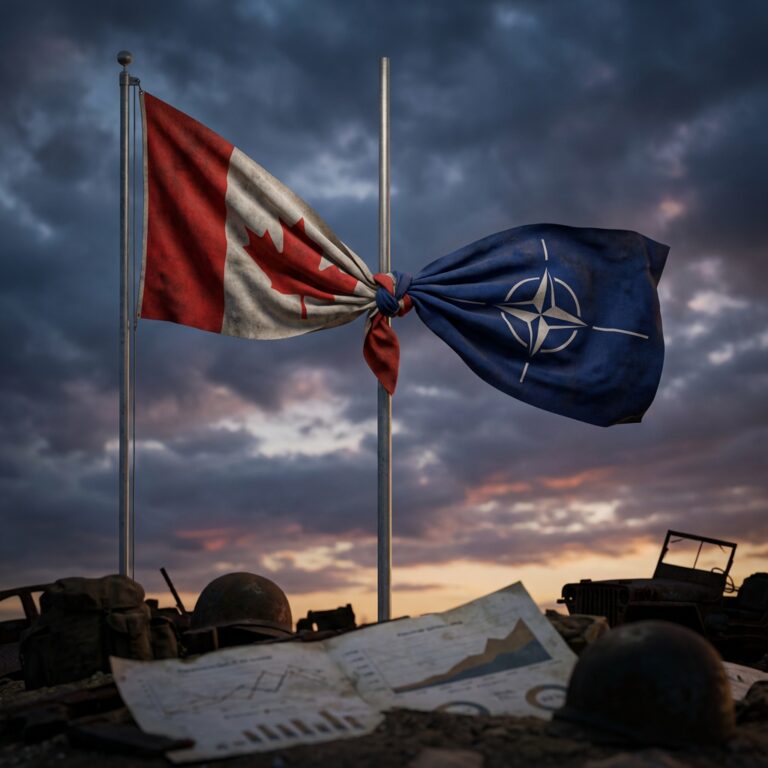
Is Canada truly meeting its NATO defense spending pledge, or is it just a matter of clever accounting tricks?
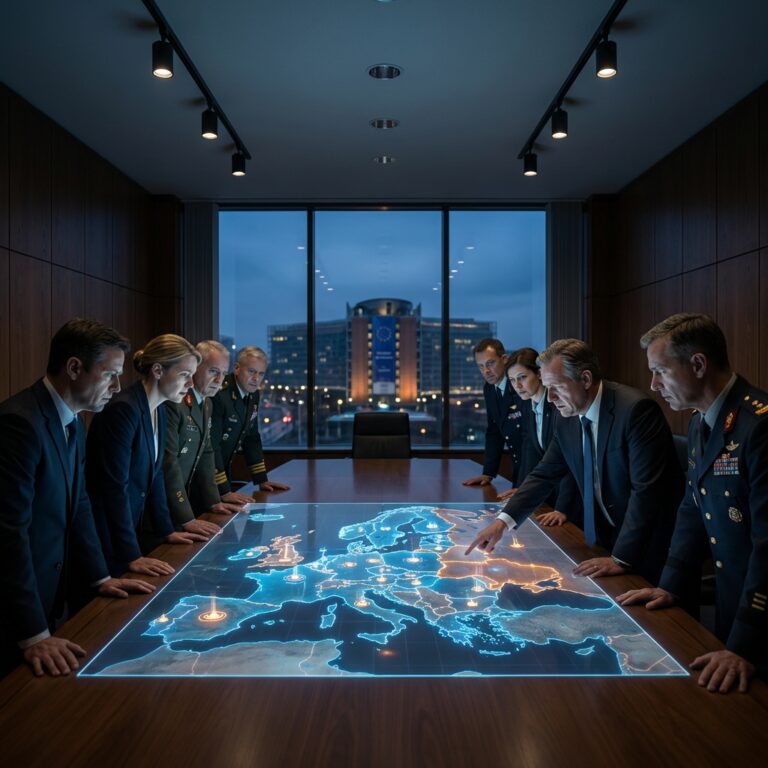
EU Geopolitics examines how the European Union uses its collective economic weight, diplomatic influence, and security tools to shape its neighborhood and the wider world. This category explores enlargement, sanctions, trade policy, energy security, and crises like Russia’s war on Ukraine and tensions in the Indo‑Pacific.

Is Canada truly meeting its NATO defense spending pledge, or is it just a matter of clever accounting tricks?

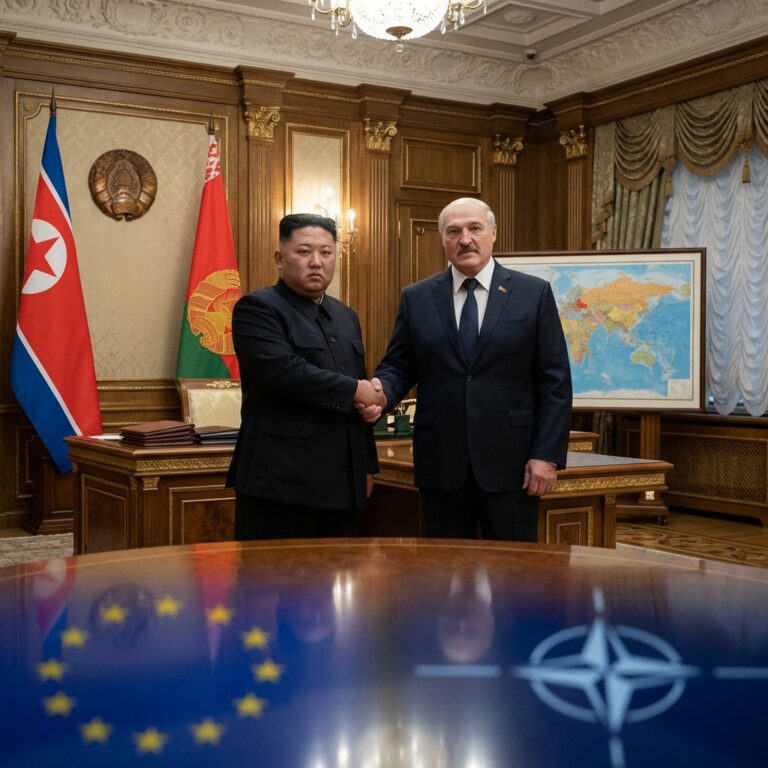
Explore the Kim-Lukashenko summit and its implications for NATO as an anti-Western axis forms on Europe's eastern border.

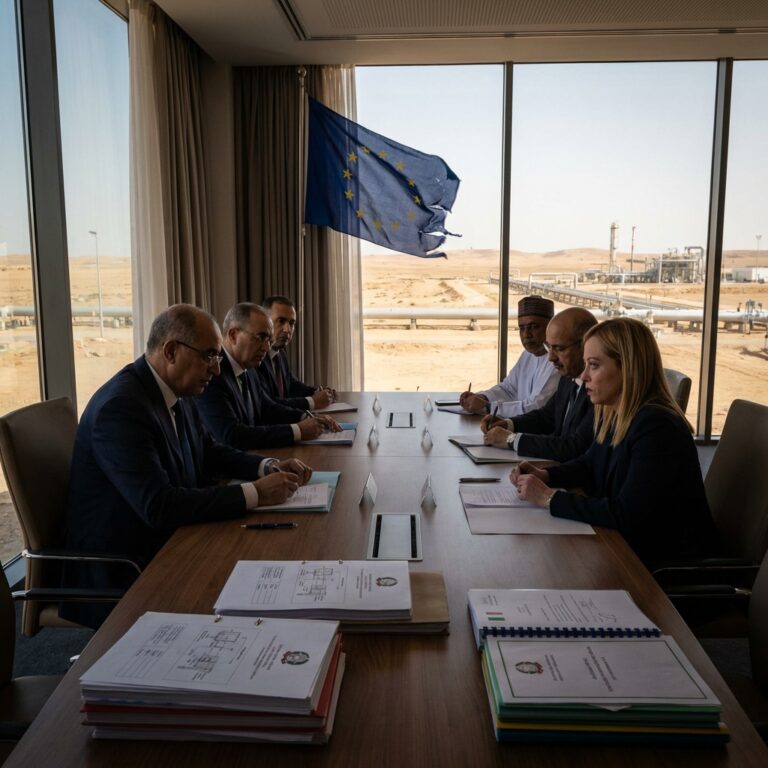
In the past few weeks, the EU - Mercosur trade deal has stirred up quite a storm across Europe. Farmers, politicians, and everyday citizens are all buzzing about what this agreement could mean for the continent. With concerns ranging from job security to food standards, the deal has become a hot topic. Here’s a breakdown of what’s happening and why it matters.

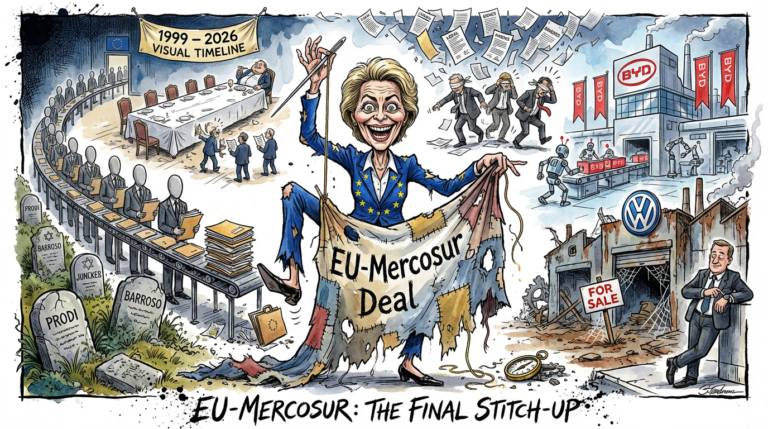
Twenty-five years. A quarter of a century of summits, negotiating rounds, political crises, agricultural riots, and constitutional wrangling — and what does the European Union have to show for it? A trade deal with South America that, before a single tariff has been cut, is already drowning in legal challenge, political opposition, and strategic obsolescence. Welcome to the EU–Mercosur agreement: the most ambitious free trade deal Europe has ever built, and quite possibly the most pointless.

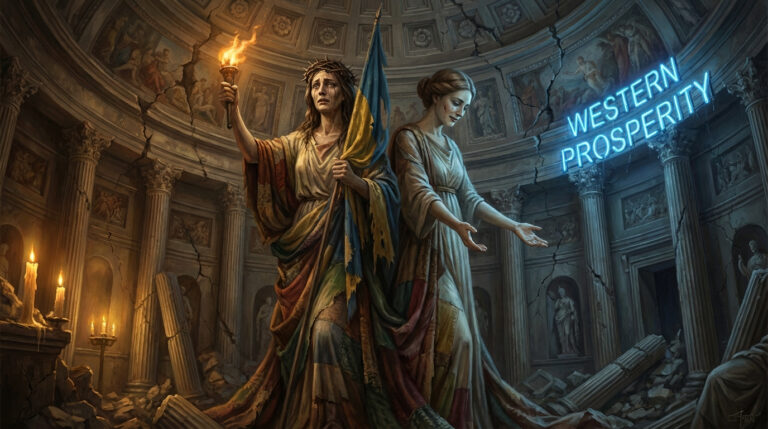
Europe has spent three years wrapping itself in the Ukrainian flag. It has sanctioned oligarchs, funded artillery shells, cheered ICC arrest warrants, and lectured the Global South on the sacred inviolability of international law. European leaders have stood at podiums from Brussels to Kyiv invoking the ghosts of 1938, warning gravely that appeasement is how democracies die. It is a powerful performance. The problem is that it is, increasingly, exactly that — a performance, staged for a domestic audience, dissolving the moment the script demands real courage.

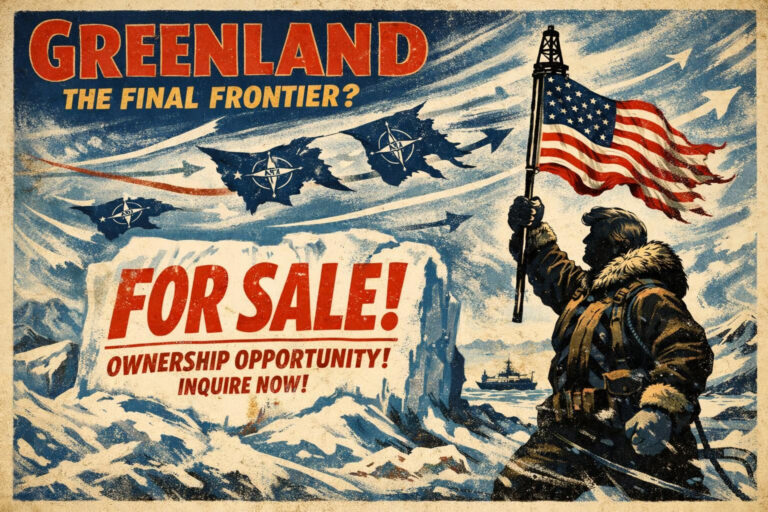
"We are going to take action regarding Greenland, whether the locals agree or not," Trump declared aboard Air Force One earlier this month. "If we cannot approach it the straightforward way, we will resort to tougher measures." When pressed at a Davos press conference on how far he would go, Trump offered a cryptic two-word response: "You'll find out."

Without fundamental reforms that move it closer to this federal model, the European Union will remain at risk of missing strategic opportunities, reacting too slowly to geopolitical shifts, and ceding influence to more agile and decisive global rivals. The EU-Mercosur story should therefore be seen as a warning: in a world that does not wait, institutional paralysis is a direct threat to Europe's long-term prosperity and security.