




Maduro’s US Court Appearance: Scrutinizing the Legal Case Against Venezuela’s Leader
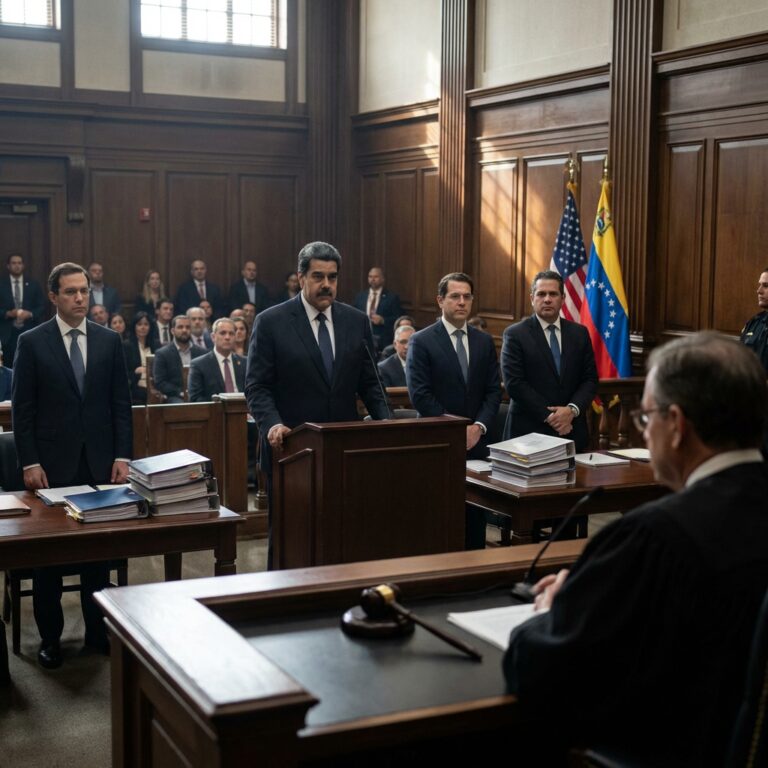
Explore the US legal case against Venezuela's Maduro, facing narcoterrorism and corruption charges in a landmark court appearance.
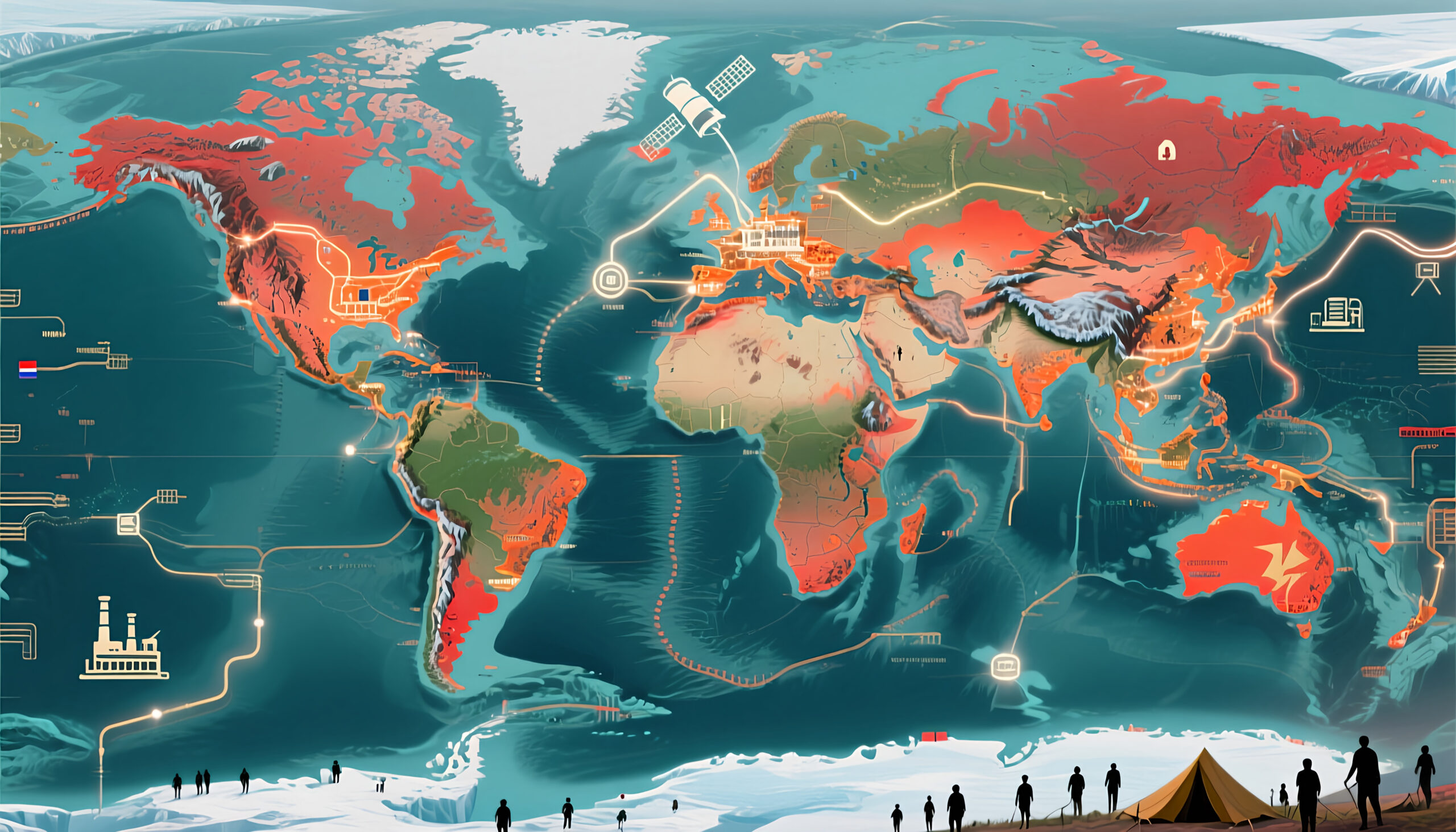
Geopolitics examines how geography shapes power, conflict, and cooperation between states and other global actors. This category explores how factors such as location, borders, natural resources, trade routes, and demographics influence foreign policy, security strategies, and economic competition. It covers issues like territorial disputes, energy security, military alliances, sanctions, global supply chains, and environmental pressures that alter the balance of power. By connecting political decisions to physical space, geopolitics helps explain why countries act as they do on questions of war and peace, markets and resources, migration, and regional dominance
Explore the US legal case against Venezuela's Maduro, facing narcoterrorism and corruption charges in a landmark court appearance.
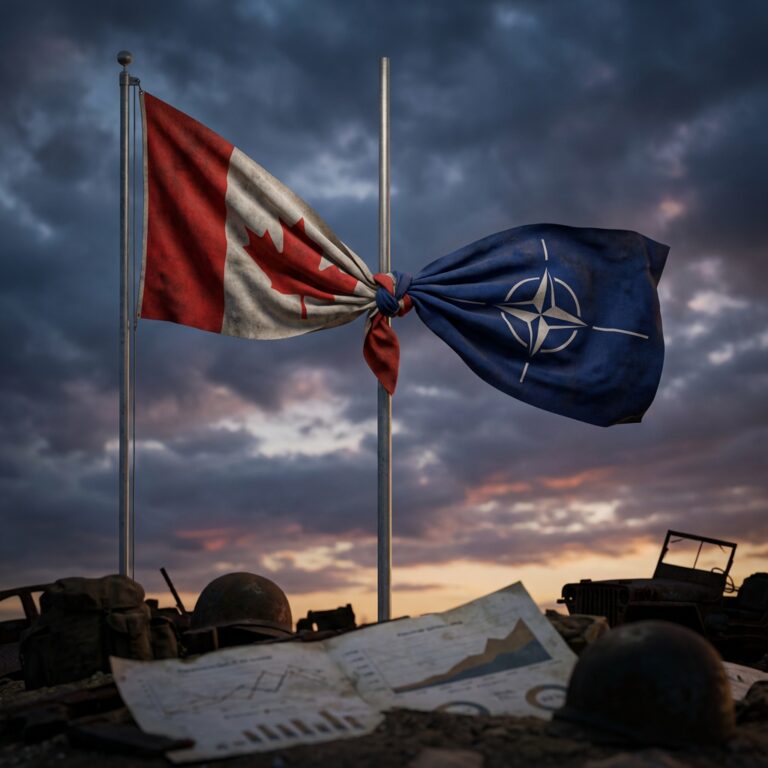
Is Canada truly meeting its NATO defense spending pledge, or is it just a matter of clever accounting tricks?
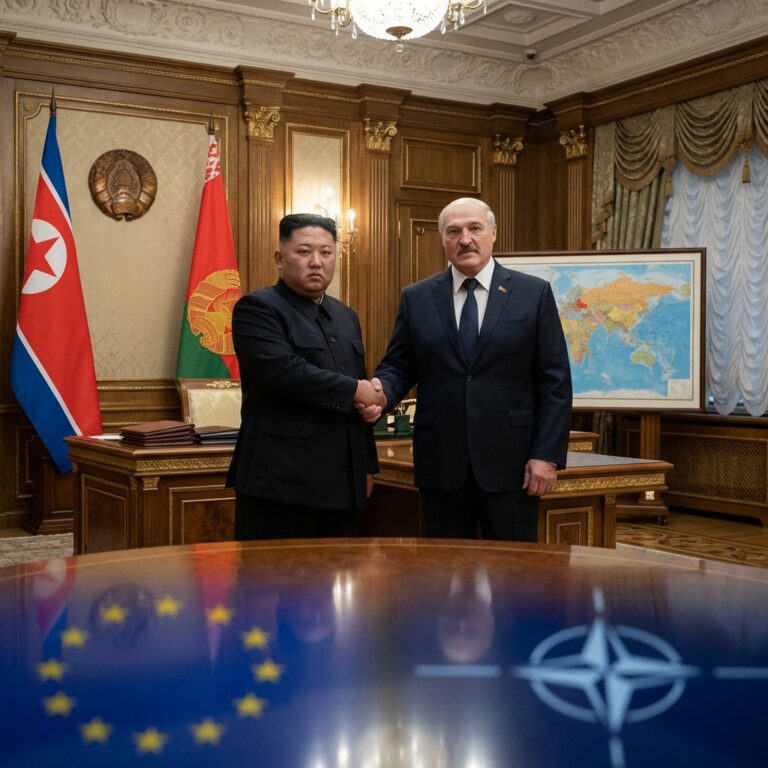
Explore the Kim-Lukashenko summit and its implications for NATO as an anti-Western axis forms on Europe's eastern border.
Winter wheat should now be receiving its second application of nitrogen, sugar beet is waiting to be sown and rapeseed is waiting for its last fertilizer application before flowering. March is an extremely important time for agriculture. But now, of all times, fertiliser markets are coming under pressure.
German Chancellor Friedrich Merz opened the 62nd Munich Security Conference by declaring that the post-war rules-based order ‘no longer exists’, there was plenty of evidence to back his claim. Israel is committing genocide in Gaza in defiance of international law, Russia is four years into its illegal invasion of Ukraine, the last nuclear arms control treaty between Russia and the USA has just expired and the USA has withdrawn from 66 international bodies and commitments. Since the conference, Israel and the USA have launched another war on Iran, threatening to spark a broader regional conflict.
Europe’s stance on the Iran war risks US President Donald Trump walking away from the conflict in Ukraine, his former national security advisor, John Bolton, has said, criticising the EU’s reaction to the situation in the Middle East.
According to official data, Turkey welcomed approximately 64 million tourists in 2025, which generated revenues of around €56 billion (ca. $64 billion). In terms of numbers, the country overtook Italy in 2024, climbing to fourth place in the world after France, Spain and the United States.Since the COVID-19 pandemic, the tourism sector has invested heavily in comfort and safety. This year, it was hoping to surpass the 65-million-visitor mark and generate approximately €59 billion. But the Israel-US war with Iran has derailed those plans.According to representatives in the tourism industry, hotel reservations and tours in Turkey's eastern and southeastern cities have been cancelled.
Xi Jinping has been preparing for a crisis like this for years. China must secure its energy supply “in its own hands”, its president was reported to have said during a visit to one of its vast oilfields in 2021.…
The leaders of some Pacific countries have appealed for help with oil supplies while others urge against “panic buying” as the import-reliant nations grapple with fears over possible fuel shortages and escalating costs caused by war in the Middle East.
Oil prices have surged to nearly $110 a barrel after strikes against energy infrastructure in Iran and the Gulf states.
The war launched by the United States and Israel on Iran has entered its fourth week, with more than 1,400 people reported killed in Iran.
Iran has attacked Israel and US bases in retaliation, threatened Western countries and Gulf states, and warned that global shipping and energy infrastructure could be at risk, as millions of Iranians mark Eid al-Fitr and Nowruz under the shadow of war.
Separately, the US said it was considering “winding down” the conflict while ruling out a ceasefire, and the United Kingdom has allowed the US to use military bases to carry out attacks on Iranian missile sit