





This article is part of the series: “The Mecca Pact” — How Turkey, Saudi Arabia, and Pakistan are reshaping Middle East security
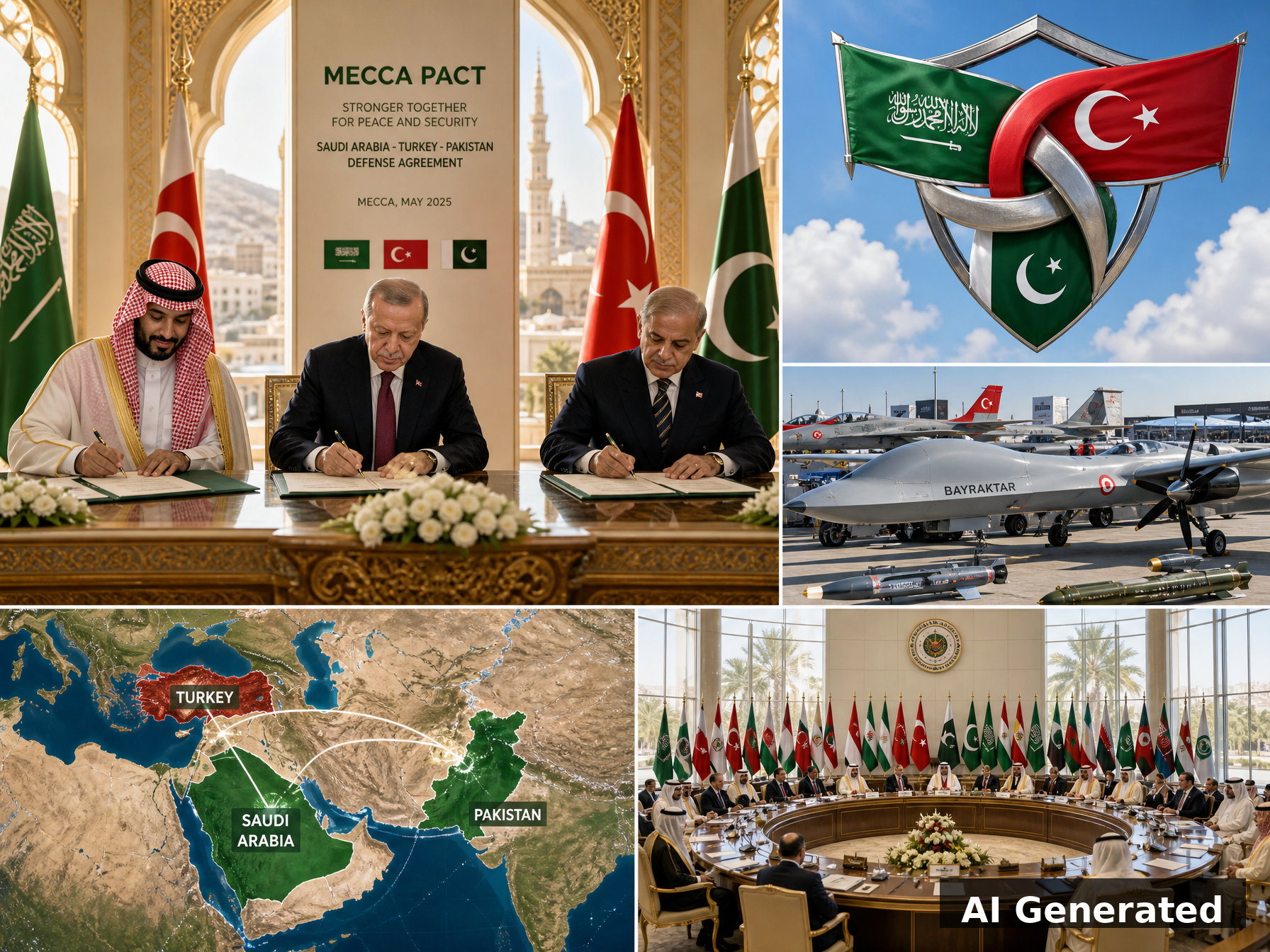
On August 7, 2026, three leaders gathered in Mecca and signed a document that may prove more consequential than anything negotiated in Washington, Tel Aviv, or Tehran this year. Saudi Crown Prince Mohammed bin Salman, Turkish President Recep Tayyip Erdoğan, and Pakistani Prime Minister Shehbaz Sharif put their names to the Mecca Joint Defense Agreement — a pact stipulating that an armed attack on any one of them would be considered an attack on all [1][16][17].
Turkish Foreign Minister Hakan Fidan called it “technically the same” as NATO’s Article 5 [10]. **The comparison is seductive but misleading.** What was signed in Mecca is not a Muslim NATO. It is something arguably more significant: the first formal breach in the US-led regional security order that has governed the Middle East since the 1970s [1].
What the Pact Actually Says
The parties have not released an official text. But reports confirm the core provision: a collective defense clause mirroring NATO’s Article 5 [1][18]. Beyond that, the agreement calls for intelligence sharing, joint military exercises, defense industry cooperation, and a new ministerial committee to coordinate implementation [19]. A general secretariat will be based in Saudi Arabia [10].
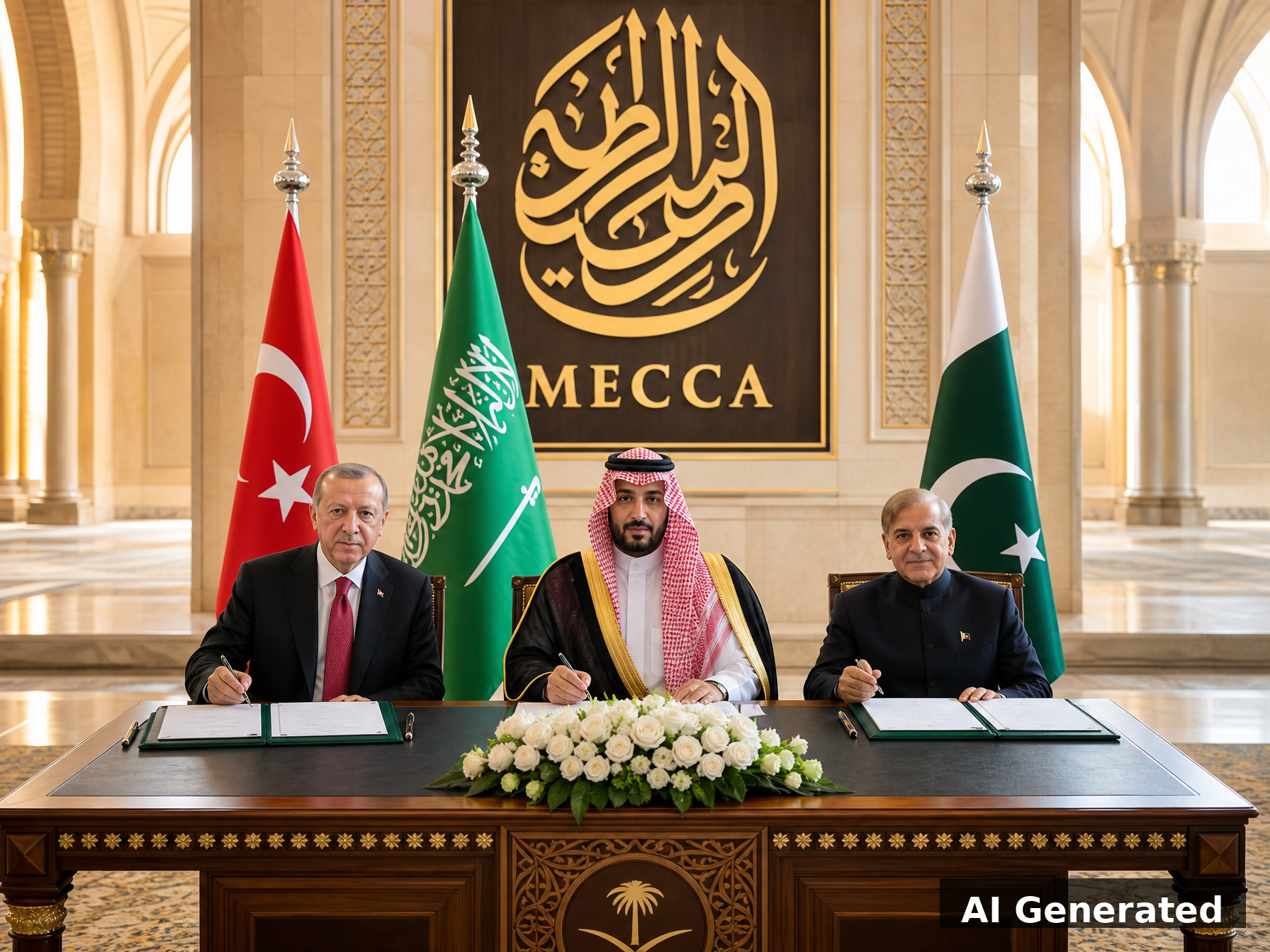
Fidan indicated the alliance could expand, naming Egypt as a potential future member [10][3]. He also revealed that negotiations had been underway for two years and eight months — meaning the pact was not a knee-jerk reaction to current events but a deliberate, long-considered project [10].
The agreement builds on a bilateral Saudi-Pakistan mutual defense pact signed in September 2025, itself a response to Israel’s unprecedented airstrike on Doha targeting Hamas leaders [2][12]. Turkey’s addition transforms a bilateral arrangement into a trilateral framework spanning the Gulf, South Asia, and the Eastern Mediterranean [9].
Why Now?
The Mecca Pact did not emerge in a vacuum. It is the product of accumulated disillusionment with the United States and a region in flux.
Steven Cook of the Council on Foreign Relations traces the erosion of the US-led order across two decades: the 2003 Iraq invasion, Washington’s tepid support for Saudi Arabia’s Yemen intervention, Trump’s 2019 non-response to Iranian attacks on Saudi oil facilities, and the Gaza war following October 7, 2023 [1]. “Regional leaders could once count on continuity in U.S. foreign policy,” Cook writes, “but over the last few decades they have been forced to contend with policy based on ‘anything but what the previous President did'” [1].
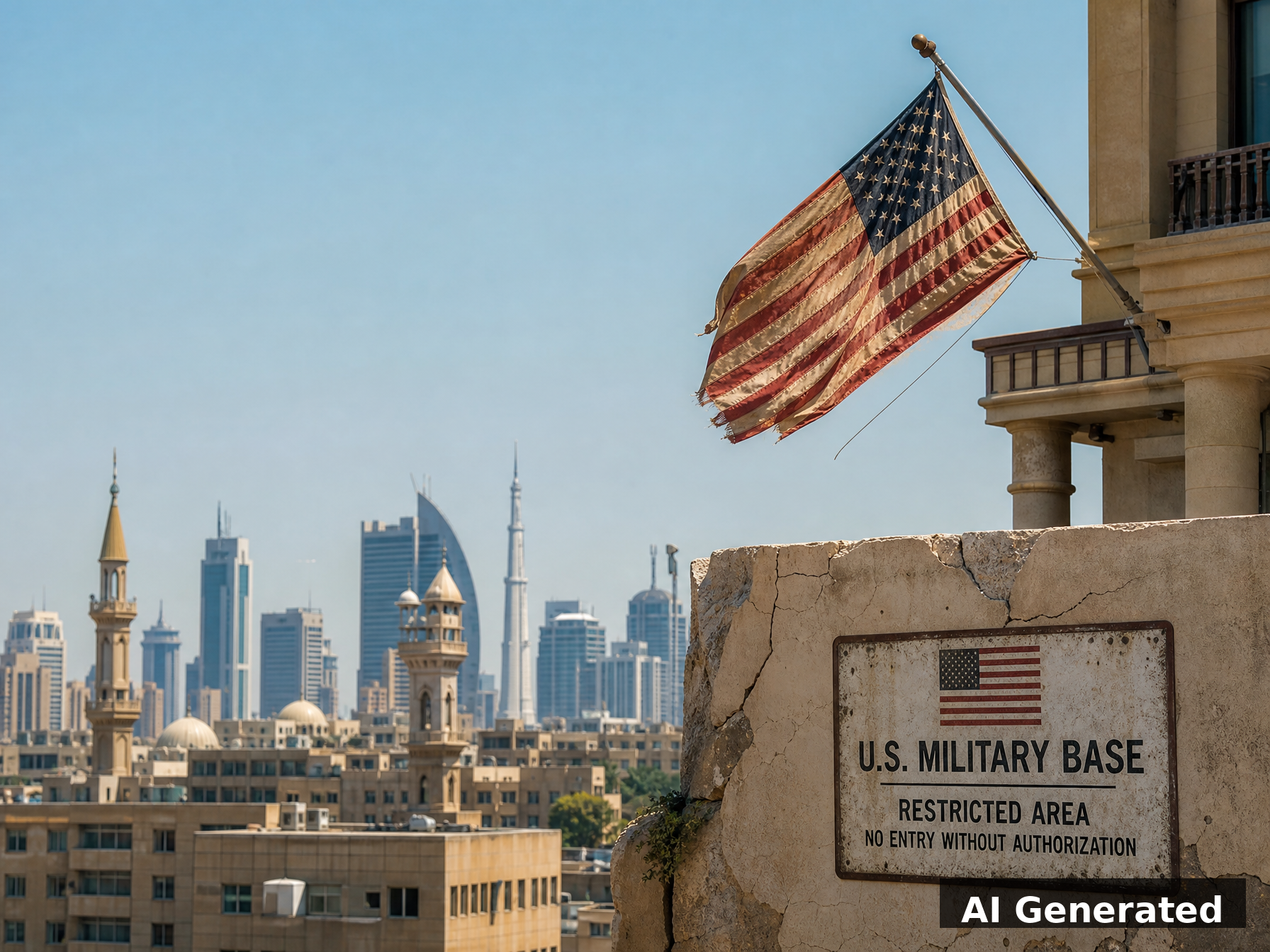
The US-Israel war on Iran, ongoing for five months, exposed the vulnerabilities of the American military footprint in the region [7]. US bases came under repeated Iranian missile and drone attacks, prompting debate about whether the US presence needs reconfiguration [7]. Meanwhile, Trump’s transactional approach — alternating between dialogue and threats of force against Iran “without an evident strategy” — left regional allies uncertain about what American security guarantees actually mean in practice [8].
Israel’s September 2025 strike on Doha was the catalytic moment. When a NATO-aligned state hosting the region’s largest American air base can be struck without consequence, the logic of relying on Washington’s word collapses [8]. As Middle East Eye’s Marco Carnelos writes: “Deterrence built on Washington’s word alone becomes a joke” [8].
Three Different Threats, One Shared Anxiety
Each signatory enters the pact with a different primary threat. Saudi Arabia faces Iran, the Houthis, and other proxies [3]. Pakistan’s central adversary is India [6]. Turkey is focused on Israel and the Kurdish question [2]. The Saudis will not fight nuclear-armed India for Pakistan. Pakistan and Turkey will not fight Iran for Saudi Arabia [3].
**This is the pact’s structural weakness.** It was tested 48 hours after signing, when Houthis fired on a Saudi Aramco refinery in Jazan. Saudi Arabia did not call on its new partners [1]. As INSS fellow Yoel Guzansky observed: “I didn’t see a Turkish declaration of war against the Houthis” [3].
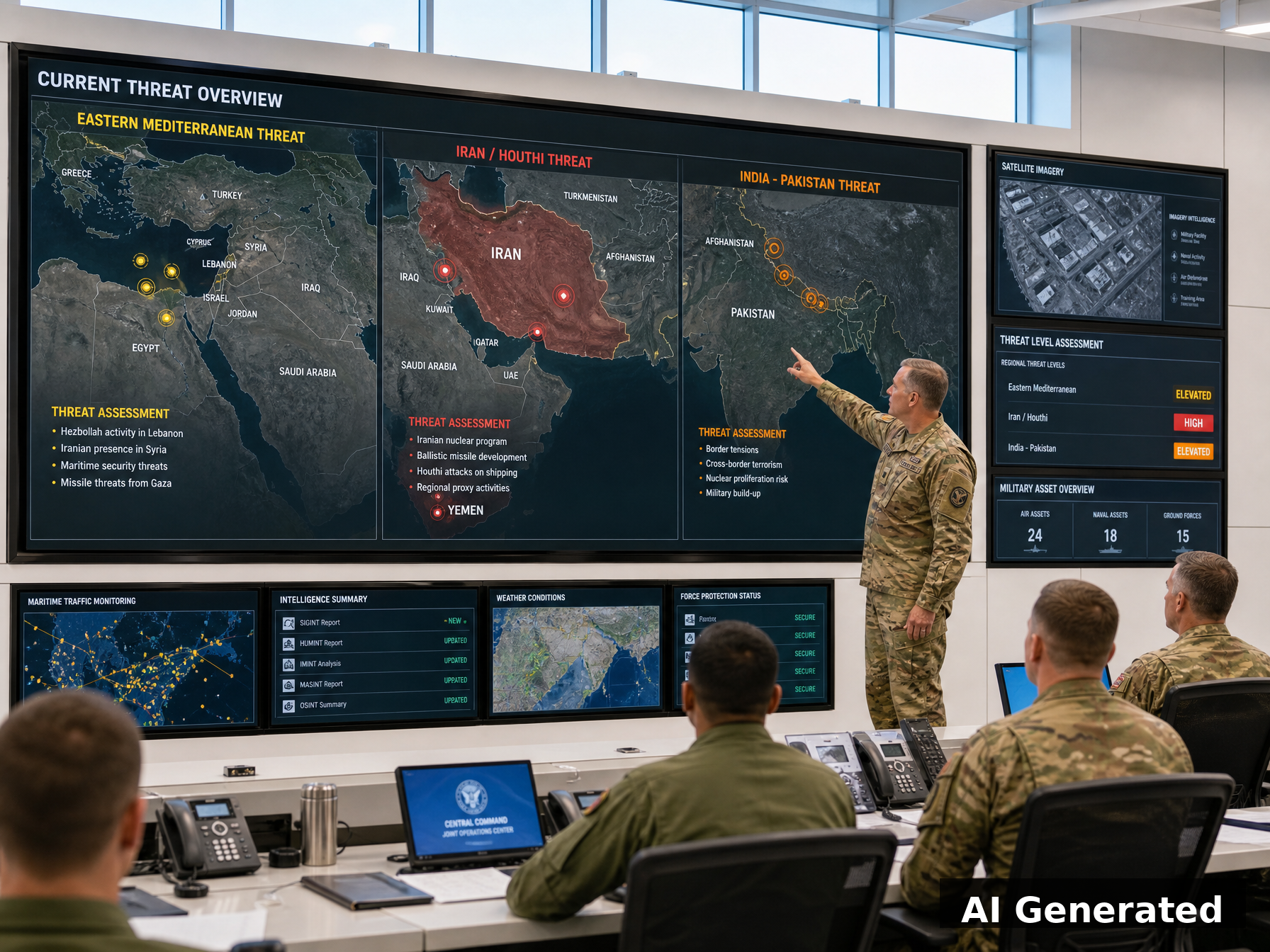
Yet dismissing the pact as hollow misses the point. Its significance, as Cook argues, “does not lie in its security guarantees. Rather, it reflects a change underway in the Middle East’s regional order — one that reduces the United States’ decadeslong leadership role” [1].
Complementary Capabilities
What makes the Mecca Pact genuinely novel is the complementarity of its members. Saudi Arabia brings capital, geographic position, political weight, and a substantial defense market [4]. Turkey contributes NATO’s second-largest military and a rapidly advancing defense-industrial base — particularly in drones, missiles, naval platforms, and electronic systems [2][9]. Pakistan adds a large, combat-experienced military and the distinction of being the pact’s only nuclear-armed member [2][6].
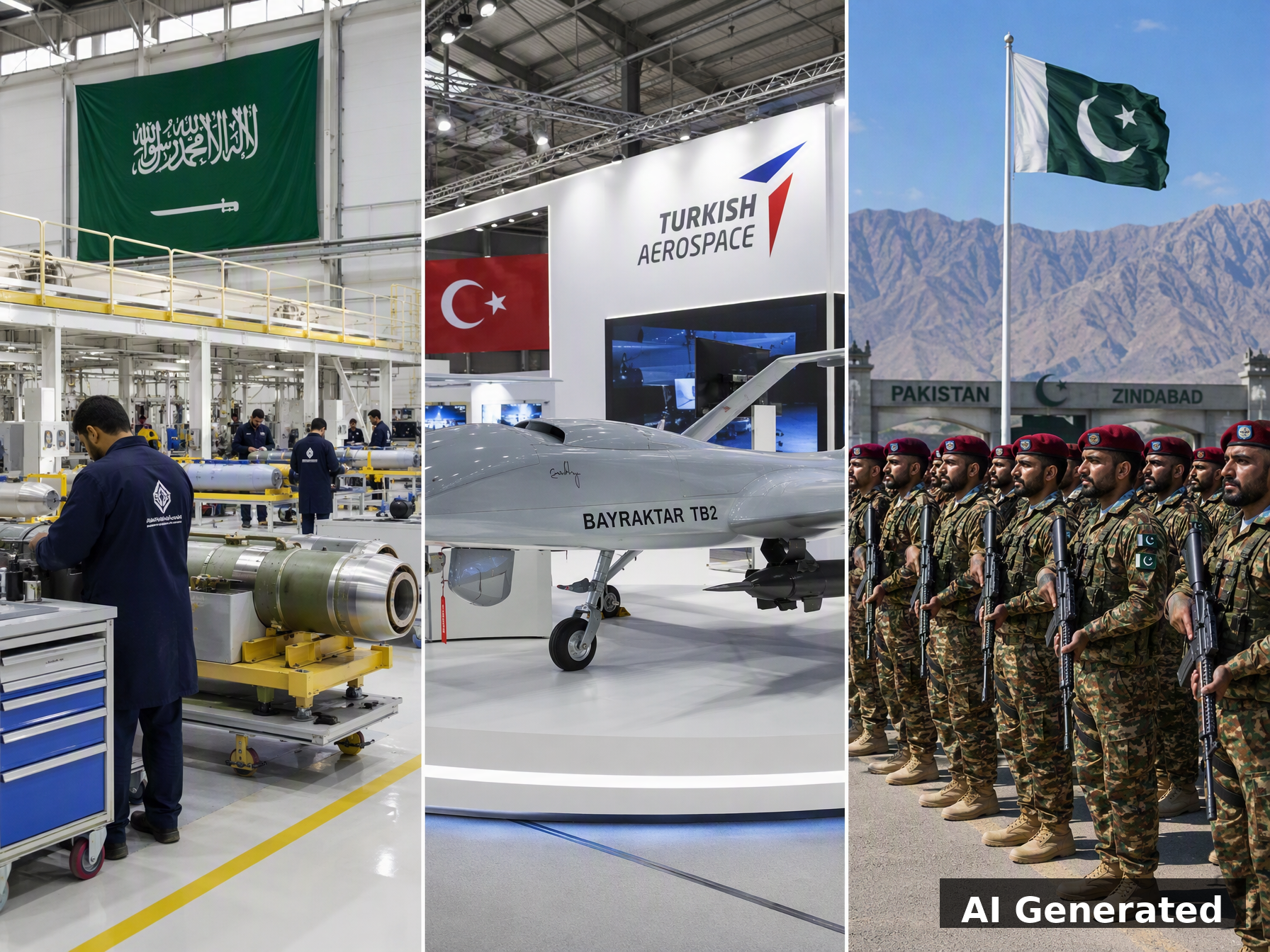
The pact’s value will be measured in integration: joint air defense, early warning, intelligence sharing, munitions, cyber defense, and eventually co-production of defense systems rather than mere purchasing [4]. Saudi Arabia has already expanded military cooperation with China — a reported $5 billion agreement to produce Chinese Wing Loong-3 combat drones in Jeddah [7]. Turkey’s Bayraktar drones are already deployed across the region [11]. Pakistan’s defense-industrial base, while smaller, offers operational experience few can match [6].
A Region Reordering
The Mecca Pact does not exist in isolation. Seven days before the signing, 14 states agreed to a maritime defense arrangement including Egypt, Qatar, Bahrain, Jordan, Kuwait, and Yemen [9]. The broader trajectory is clear: regional states are building security architecture that does not depend entirely on the United States [4][7].
Chatham House’s Sanam Vakil captures the motivation: the three are “driven together to forge greater diplomatic and defence cooperation in reaction to US unreliability, Israeli revisionism and Iranian retaliation” [5].
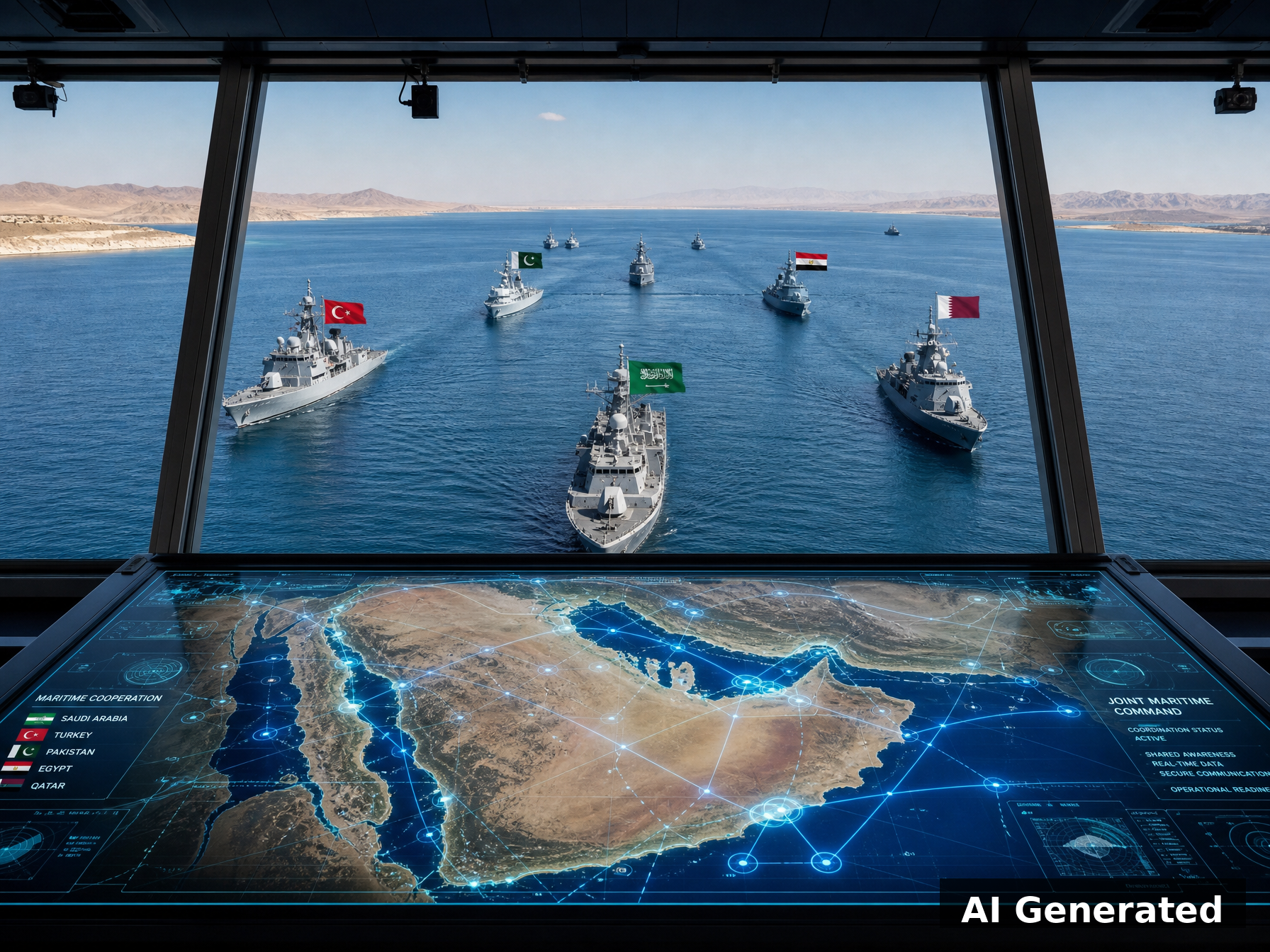
This is not a defection from the American camp. It is an attempt to move past the logic of camps altogether [4]. As Khalid Al-Jaber writes in Al Jazeera: “It marks the start of preparation for a more pluralistic one — a system in which regional powers produce security rather than import it” [4].
Whether this pluralistic order materializes depends on one question the pact’s signatories have not yet answered: **are they genuinely willing to bear the cost of defending one another?** If yes, the region may finally begin building a balance that does not rest entirely on power arriving from across an ocean [4]. If not, the Mecca Pact will join the Middle East’s long graveyard of defense agreements that sounded impressive and delivered nothing [3].
The stakes are high enough that the world should pay attention either way.
References
[1] Cook, S. A. (2026). The U.S.-Led Middle East Order Is Over. The Mecca Agreement Proves It. Council on Foreign Relations. Link
[2] Minor, A., Kugelman, M., & Outzen, R. (2026). Why Saudi Arabia, Pakistan, and Turkey just signed a defense pact. Atlantic Council. Link
[3] Berman, L. (2026). Mecca defense pact isn’t meant to challenge Israel, at least not on the battlefield. The Times of Israel. Link
[4] Al-Jaber, K. (2026). The Mecca pact is not just another regional alliance. Al Jazeera. Link
[5] Motamedi, M. (2026). Where does Iran stand on Saudi-Pakistan-Turkiye pact? Al Jazeera. Link
[6] Cheema, Q., & Murtiza, M. A. (2026). Should India Worry About the Mecca Pact? The Diplomat. Link
[7] Carroll, R., & Karam, J. (2026). Three ways China benefits from Saudi-Turkey-Pakistan pact: What to know. Al-Monitor. Link
[8] Carnelos, M. (2026). How a pragmatic axis could reshape the Middle East. Middle East Eye. Link
[9] El-Husseini, S. F. (2026). The Saudi–Turkish–Pakistani Security Agreement: A preliminary assessment. Middle East Monitor. Link
[10] Lachter, E. (2026). Saudi Arabia, Turkey and Pakistan defense pact worries regional experts. Fox News. Link
[11] Avdaliani, E. (2026). Turkey Reshapes the Organization of Turkic States. Manara Magazine. Link
[12] Akhtar, R. (2025). Beyond the Hype: Pakistan-Saudi Defense Pact Is Not a Saudi Nuclear Umbrella. Belfer Center, Harvard University. Link
AI Disclosure: This post was created with the assistance of artificial intelligence. The ideas, analysis, and opinions expressed are my own — AI was used to help compose, structure, and refine my personal notes and thoughts into the final written content. Images and video featured in this post were also generated using AI tools, based on my own creative prompts and direction.
