

AdminZer0

AdminZer0

Can Britain Lead Europe When It Can Barely Lead Itself?
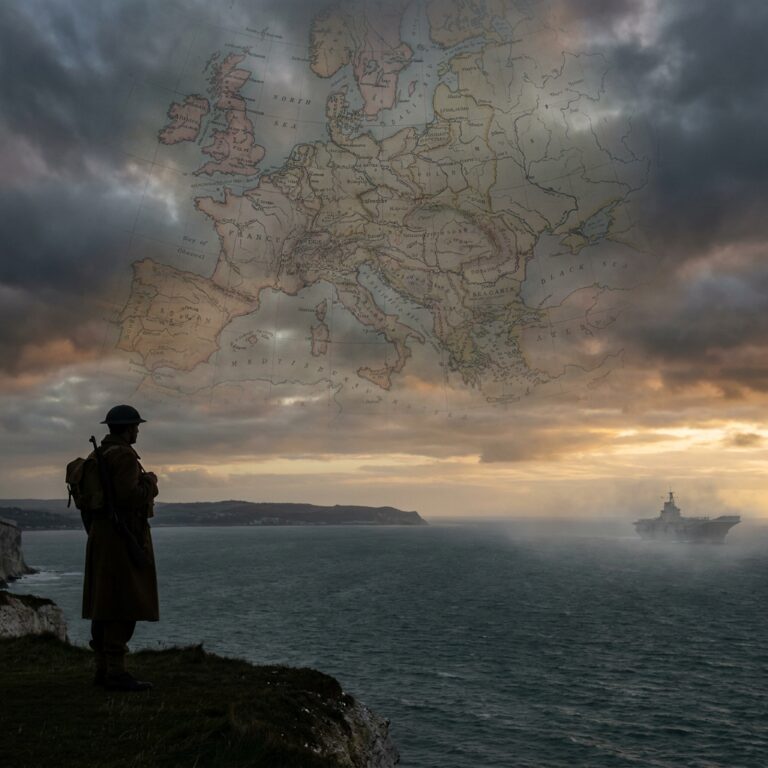
Soldier overlooking sea with Europe map overlay

The Council on Geostrategy urges Britain to assume primary responsibility for Euro-Atlantic deterrence as the US pivots to the Indo-Pacific. This article argues Britain lacks the industrial base, military depth, and political coherence for this role. With the British Army at 73,000 troops (smallest since Napoleon), manufacturing at 9% of GDP, and defence spending at 2.3% of GDP, the UK cannot afford to become Europe's security guarantor. The piece critiques "machinepolitik" nostalgia, warning that volunteering for this burden creates moral hazard, lets Europe free-ride, and risks strategic overextension Britain cannot manage.

#UKDefence #NATO #EuropeanSecurity #BurdenSharing #BritishArmy #DefenceSpending #Geostrategy #EuroAtlantic #IndoPacific #SecurityGuarantor #Machinepolitik #UKPolitics #DefencePolicy #StrategicStudies
The Camera Watching You Was Never Meant to Keep You Safe

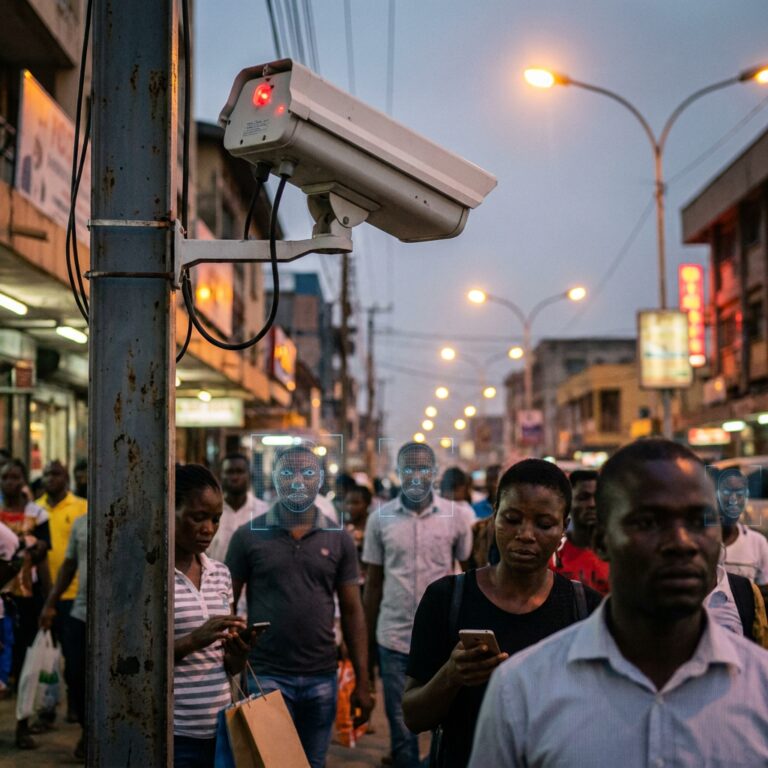
CCTV camera monitoring crowded city street pedestrians

At least 11 African governments have invested over US$2 billion in Chinese-built AI-powered surveillance infrastructure — cameras, facial recognition, biometric data collection, and automatic number-plate recognition systems marketed as "smart city" solutions [1]. The countries include Algeria, Egypt, Kenya, Mauritius, Mozambique, Nigeria, Rwanda, Senegal, Uganda, Zambia, and Zimbabwe. Nigeria alone has spent over US$470 million; Mauritius, US$456 million; Kenya, US$219 million [2]. These are the figures we know. The real totals are almost certainly higher, because surveillance procurement is routinely classified and the report covers only 11 of Africa's 55 nation. #DigitalSurveillance, #FacialRecognition, #HumanRights, #SmartCities, #PrivacyMatters, #MassSurveillance

The Turnberry Trap: Can Europe Survive Its Own Trade Deal?

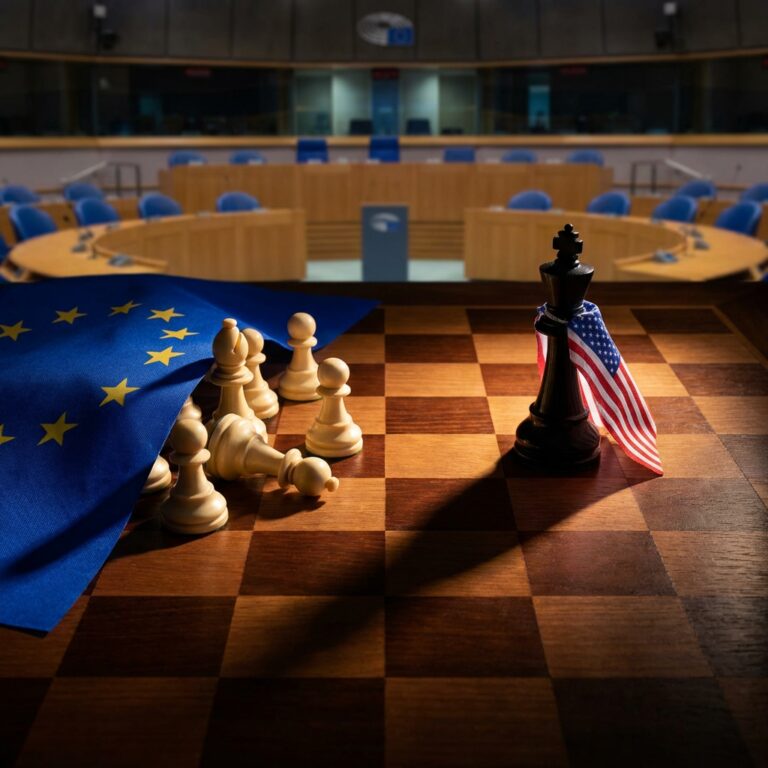
EU and US chess pieces in parliament chamber

You were told this was a victory for European diplomacy. A trade deal with the United States, hailed as a pragmatic step forward in a turbulent world. But look closer. What the European Parliament approved last month is not a settlement; it is a ceasefire laden with tripwires, a pact so fragile its own architects are already planning for its collapse. The Turnberry agreement, which cuts EU tariffs on most US industrial goods to zero while maintaining a 15% US tariff on EU exports, is now law — pending a final, fraught negotiation with member states.¹ The real story isn't in the vote count of 417 in favour. It's in the 154 against and the 71 abstentions² — a silent scream from a Parliament that feels cornered. #TurnberryDeal #EUUStrade #TradeDeal #EUTrade #Tariffs #EUParliament