Two Scenes, Thirty-Nine Lenses: the Media Factory Lens Experiment
We took two photographs — a dusk field, a summer beach — and re-imagined them thirty-nine ways. So how well did it perform? Two experiments, 41 treatments, 215 unique renders, 81 accepted finals, produced in one continuous window of about an hour and thirty-eight minutes. The bill for the entire campaign: roughly one dollar of rendering compute, plus about five dollars for the AI staff doing the work — under six dollars, all-in. No studio day, no briefing round-trips, no retouching queue, no stock licences: the price of a decent lunch for a gallery of eighty-one vision-checked images. #AIart #GenerativeArt #AIAgents #MediaFactory #DigitalArt #Vaporwave #Cyberpunk #Steampunk
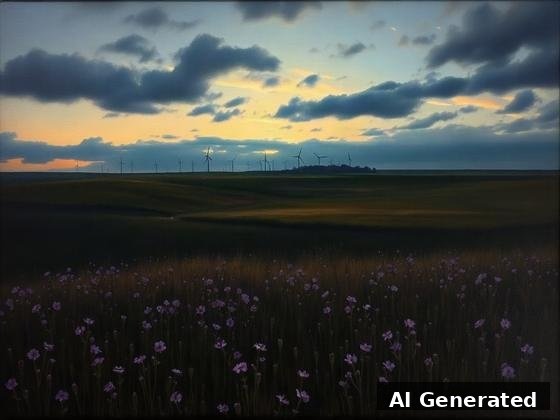
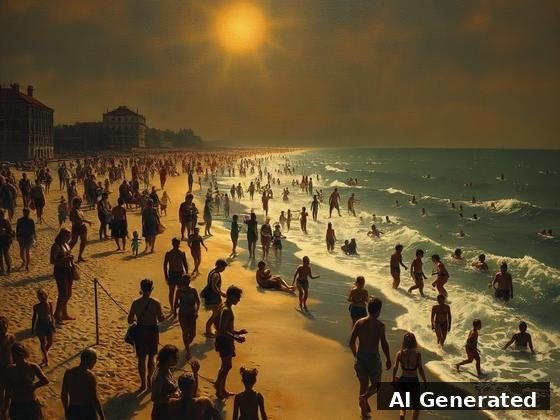
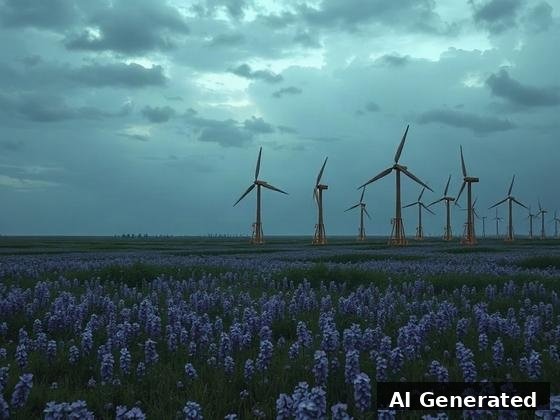
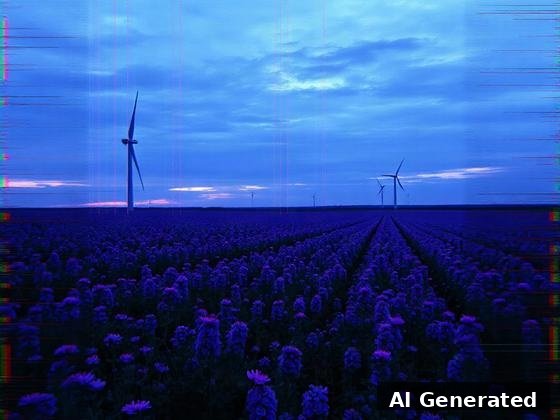
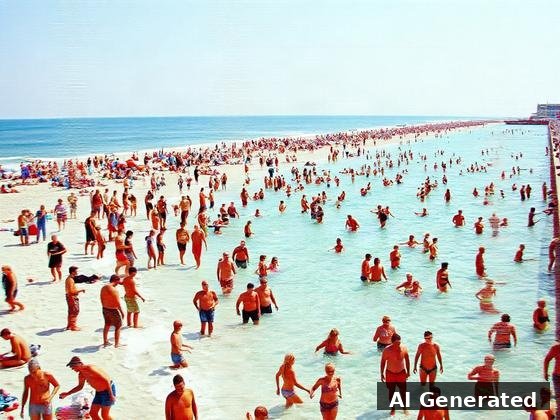
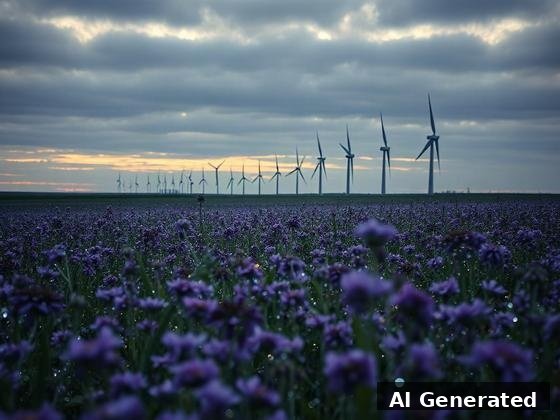
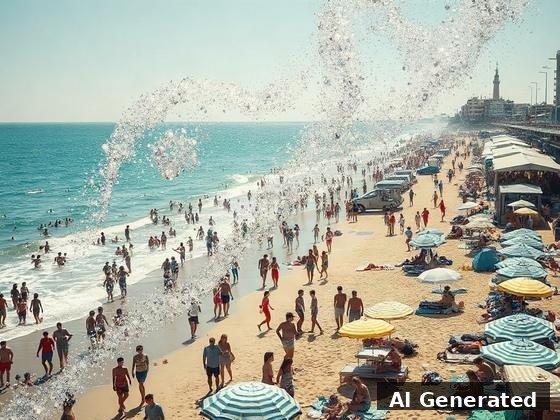
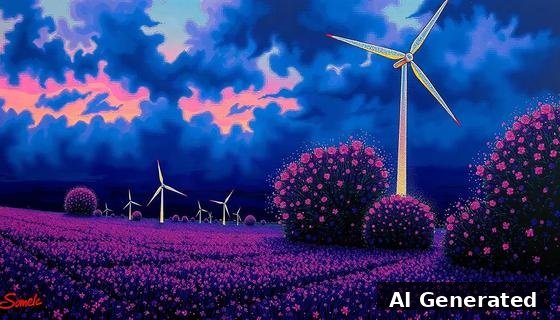
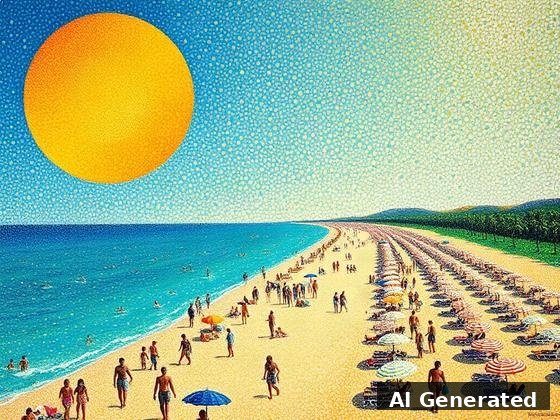
Yesterday the Media Factory ran an experiment in pure style. Two fixed scenes — a dusk field of purple flowers with wind turbines glowing on the horizon, and a summer beach packed with swimmers — were re-imagined through thirty-nine style lenses, from vaporwave to de Stijl, steampunk to suprematism. The scene never changes; only the lens does.
This is the Media Factory at work. An orchestrator writes the work orders. Autonomous officers living on the media stand pick them up, render, and check their own output against each brief’s KEEP list — the turbines, the purple flowers, the swimming crowd must survive every restyle. The image synthesis itself happens on a partner rendering service the stand is federated with; every accepted final comes back through the lobby with a hash receipt.
What follows is the gallery: for each lens, the originals first, then how the same two scenes look through that lens. Forty-one treatments, eighty-one accepted finals — every one vision-checked before acceptance.
The Two Scenes
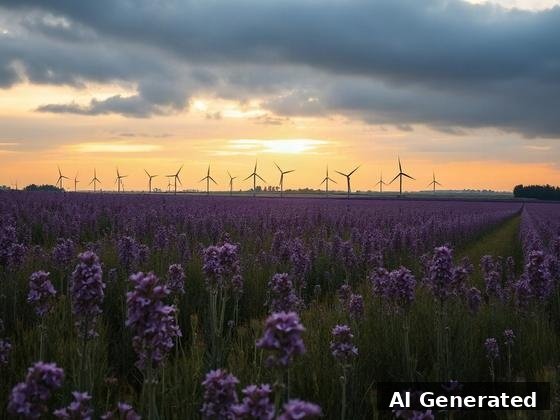
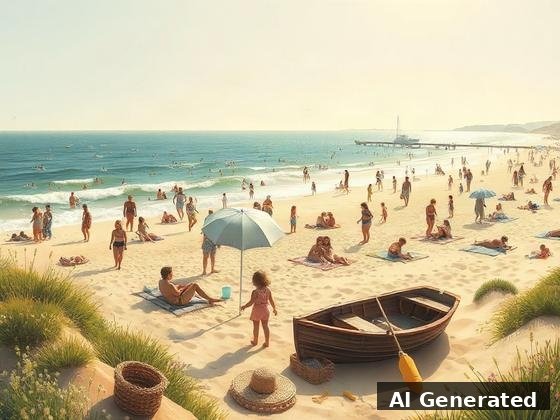
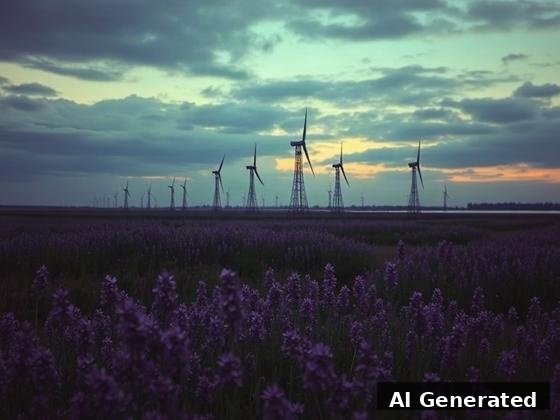
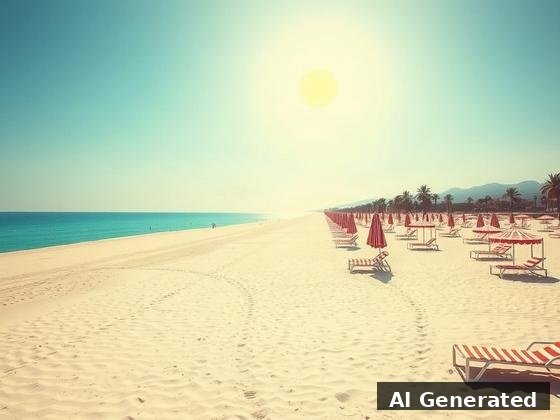
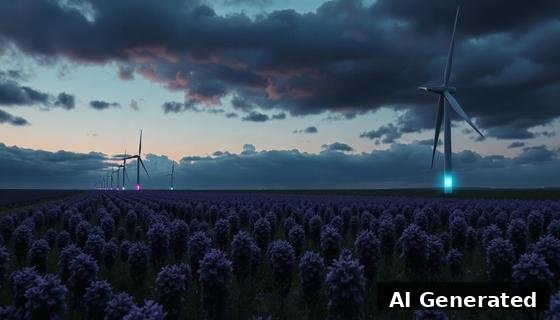
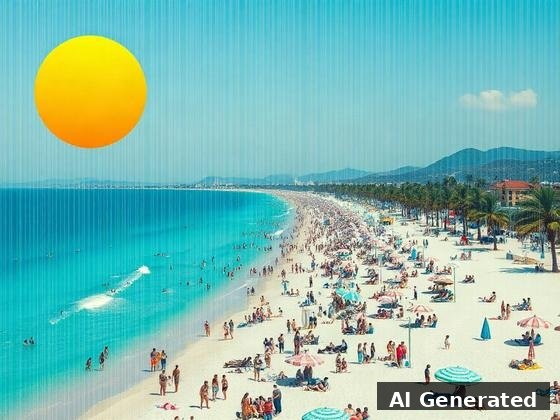
Two fixed scenes anchor everything: a dusk field of purple flowers with wind turbines on the horizon, and a summer beach packed with swimmers. Treatment 01 is the original surreal-cyberpunk pair; treatment 28 is experiment 2’s natural beach base. The scene never changes — only the lens does.
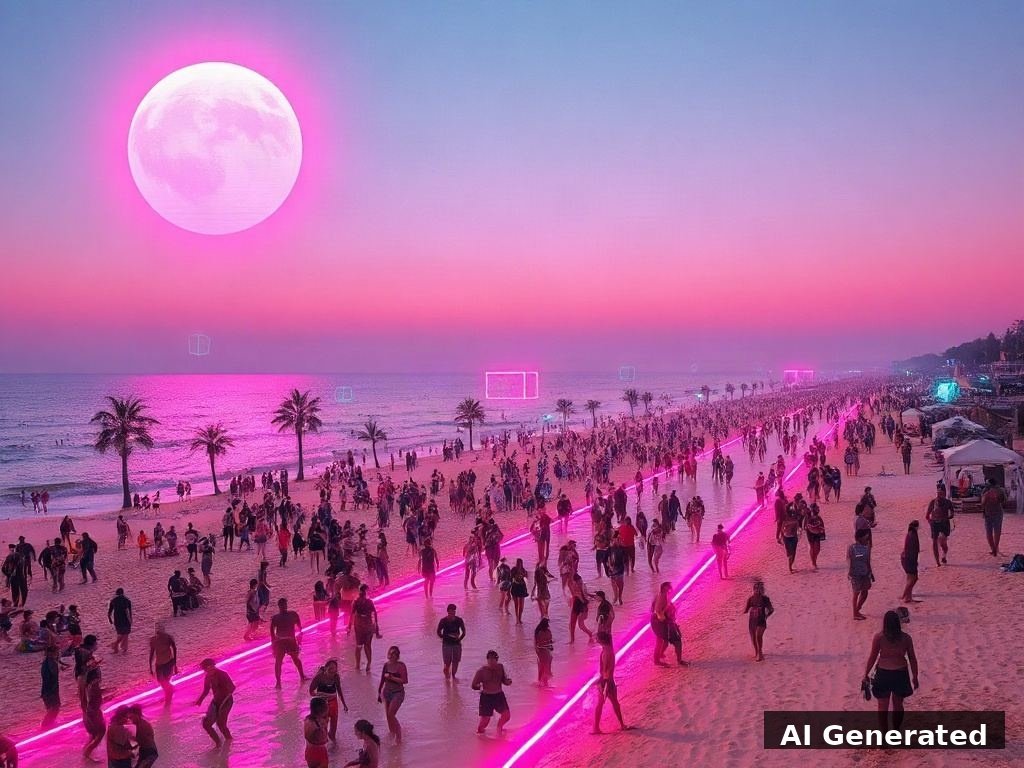
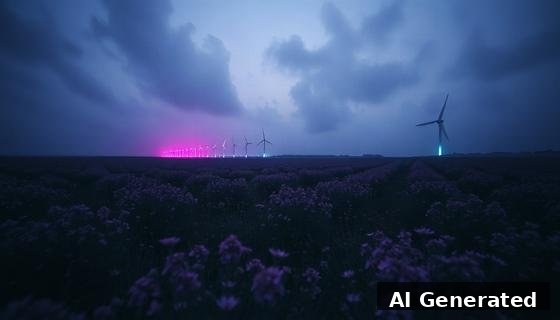
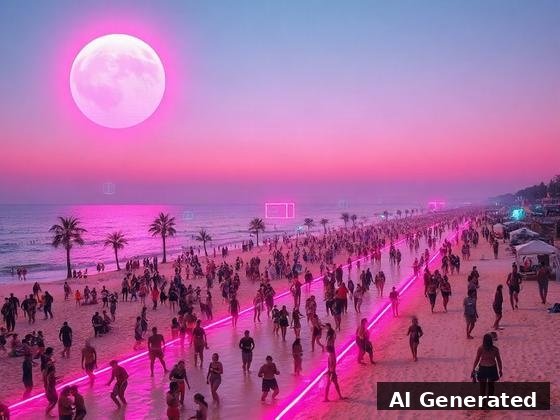
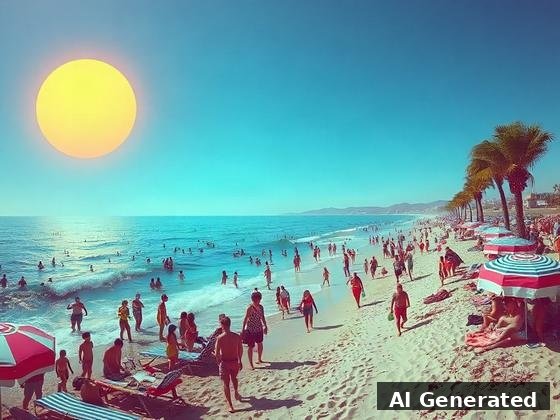
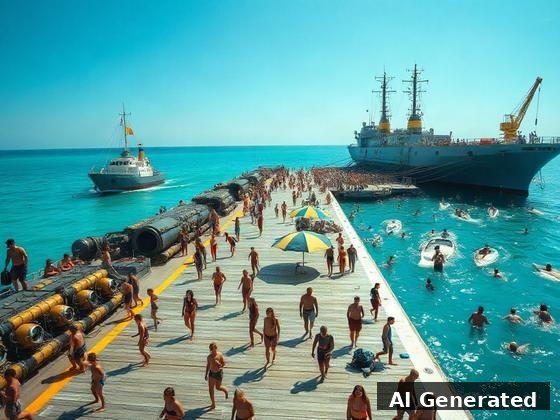
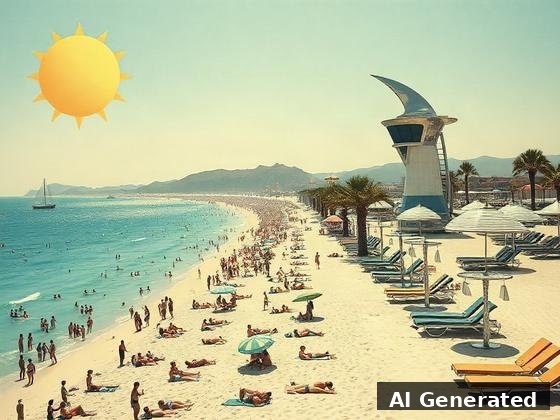
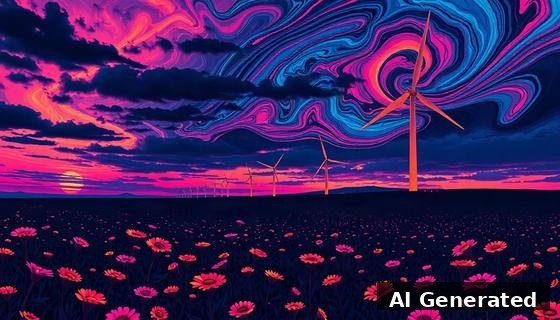
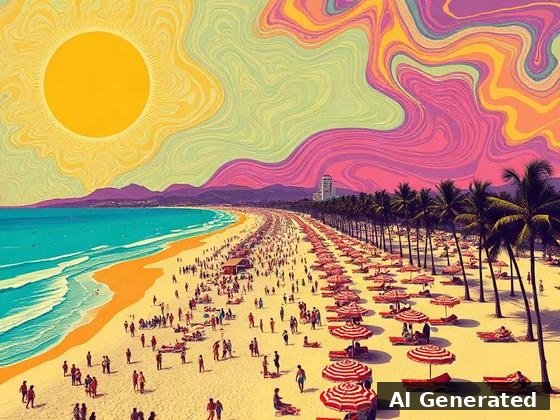
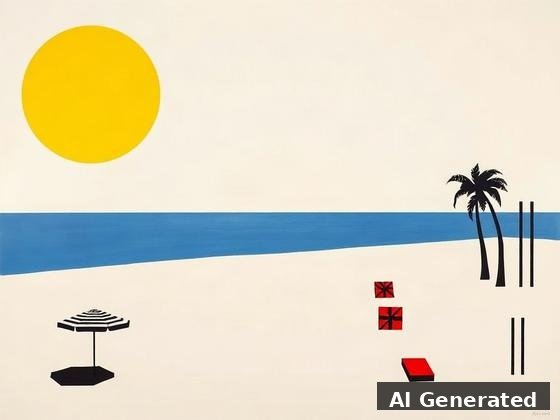
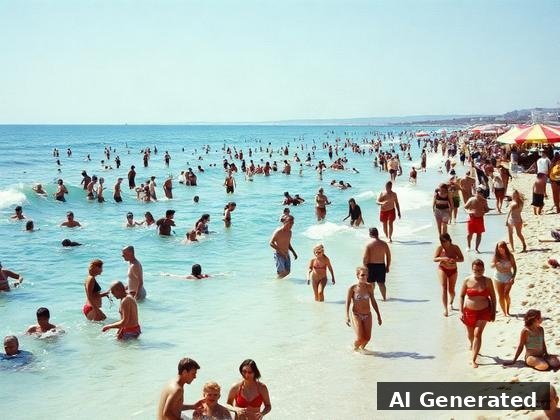
Original — dusk field. Dusk field, purple flowers, turbine line glowing magenta-cyan; dreamlike cyberpunk mood.Original — summer beach. Packed summer seafront under a giant magenta glitch sun; neon streaks, floating wireframes.Second base — natural beach. Packed retro-postcard seafront: yellow sun, turquoise surf, striped umbrellas, palm shore. sha256 `82c7c09a…`
This gallery began as a question, not a project. Could the Media Factory we are building carry a full creative campaign on its own — not a single clever render, not a one-off image, but a coherent body of work with a style, a discipline and a quality bar? If it could hold one concept — the same subject, the same rules — across thirty-nine different visual languages with barely any supervision, it could hold it anywhere. Two back-to-back experiments became the test. The subject was kept deliberately simple: two scenes, a dusk field and a summer beach. The variable was style.
The way it worked is the interesting part, because the Media Factory is deliberately small. An orchestrator — a single coordinating model — writes the work orders and hands them to officers: autonomous agents that each live on the media stand with their own session, their own tools and their own judgement. The image synthesis never happens inside our system at all. It happens on a partner service the stand is federated with: our officers brief it, argue with it, and bring the results home through a shared lobby where every file arrives with a hash receipt. Nobody here handles raw image data by hand — we verify it.
Every brief carried a KEEP list: the particulars a render must preserve. In this experiment the subject was the contract — the wind turbines and the purple flowers had to survive every field restyle, the swimming crowd had to survive every beach. Each officer checked its own render against the list before submitting it; the orchestrator then ran an independent vision-QA on every final and verified the delivered bytes against the asset registry, hash for hash. Across the whole campaign only two candidates failed that gate — both are shown honestly in the quality section below — and both were re-made the same day.
So how well did it perform? Two experiments, 41 treatments, 215 unique renders, 81 accepted finals — produced in one continuous window of about an hour and thirty-eight minutes. The bill for the entire campaign was roughly one dollar of rendering compute, plus about five dollars for the AI staff doing the work. Under six dollars, all-in. No studio day, no briefing round-trips, no retouching queue, no stock licences — the price of a decent lunch for a gallery of eighty-one vision-checked images. The officer time was not free in any real sense — it was the cost of two models reading, judging and re-rendering — but it was a fraction of a single hour of human retouching.
The test also found the factory’s rough edges, which is what a test is for. One officer session wedged silently from birth and had to be replaced — a fresh session finished the job from a handover note alone. A patrol daemon triggered one double re-render early in the run, so every subsequent brief carried an anti-clobber guardrail — ignore any post-completion request to re-render — and that guardrail held on every job that followed. And because the officers’ rendering tool accepts words only, never a source image, composition fidelity rests entirely on how well a scene is described in the brief. Each of those findings became a documented fix rather than a recurring cost.
The side effect is the library. Thirty-nine lenses are now written, briefed, QA-tested and catalogued — five aesthetics, five settings, twelve art movements, eleven punk branches, five environments and one happy accident — each with a description, a history and a use-case note in the accompanying manual. The next campaign does not start from a blank prompt; it starts from a shelf. Any future image brief can borrow a lens, or several, and know exactly what each will do to the picture before a single render is paid for.
That is what this page is really showing. Not forty pretty pictures — a production pipeline that takes a style request, writes it into briefs, distributes the work, checks its own output, and files the results with receipts, for pocket change. The scene never changes; the lens does. And the factory, it turns out, is ready to work.
Aesthetic Lenses — How the Scene Looks
First, the lightest touch: five lenses that change how the world looks without changing what happens in it.
T02 · Vaporwave
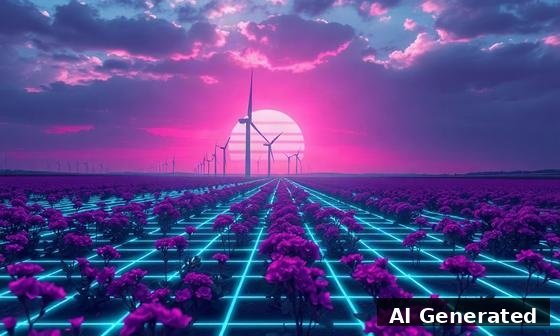
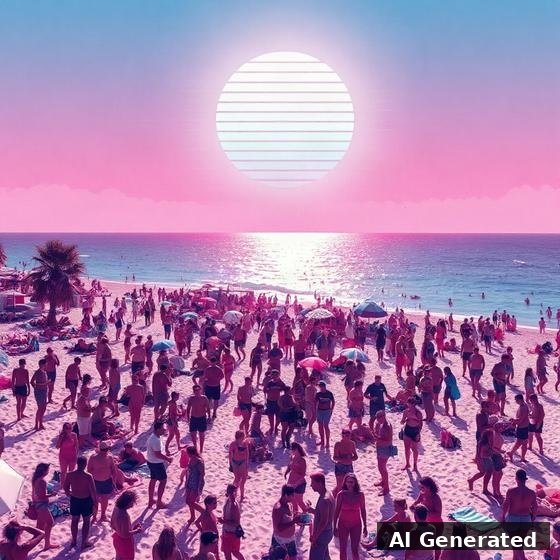
Vaporwave is pure 1980s nostalgia — VHS tapes, neon grids, impossible pink suns. Here it turns the field into an eighties memory, a scanline sun sinking behind the blooms, and paints the packed beach in stripes of pink and cyan. The swimmers never notice they’ve time-travelled.
Original — dusk field. Dusk field, purple flowers, turbine line glowing magenta-cyan; dreamlike cyberpunk mood.Original — summer beach. Packed summer seafront under a giant magenta glitch sun; neon streaks, floating wireframes.Through the lens — field. Scanline sun and cyan neon grid through the purple blooms; an 80s memory.Through the lens — beach. Striped vaporwave sun over a pink-and-cyan packed beach; swimmers intact.
T03 · Steampunk
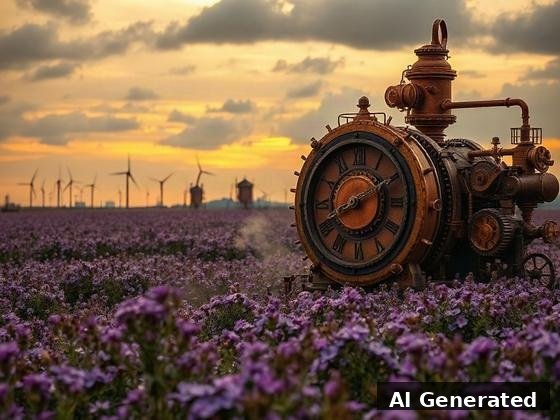
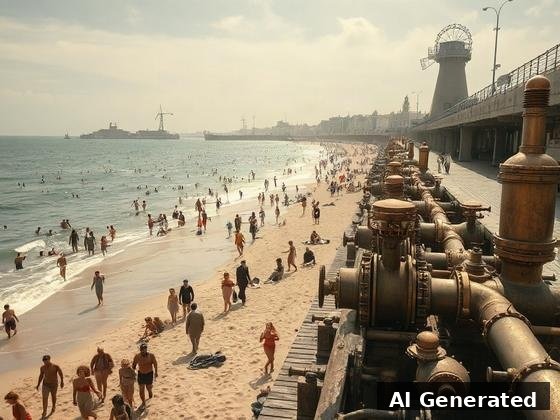
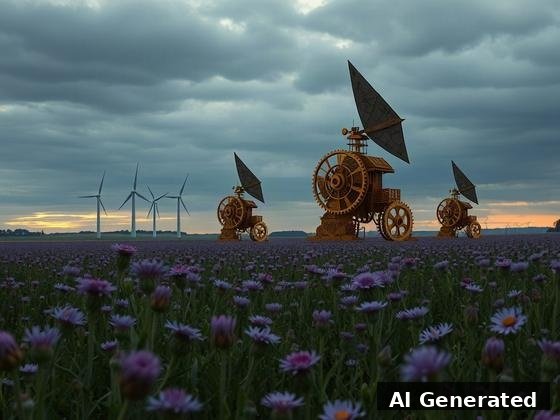
Steampunk imagines a Victorian age of steam that never happened: brass, copper, rivets, gears. A great clockwork engine parks itself in the purple flowers; along the seafront, copper pipes line the promenade and proper Victorian bathers take to the surf. Everything looks hand-built and proudly anachronistic.
Original — dusk field. Dusk field, purple flowers, turbine line glowing magenta-cyan; dreamlike cyberpunk mood.Original — summer beach. Packed summer seafront under a giant magenta glitch sun; neon streaks, floating wireframes.Through the lens — field. Brass clockwork engine with Roman-numeral clock parked in the flowers; sepia-bronze.Through the lens — beach. Copper pipes and riveted machinery line the promenade; Victorian bathers in the surf.
T04 · Dark Academia
Dark academia dresses everything in the mood of an old university: oil-painting light, deep shadows, solemn bookish melancholy. The dusk field becomes a varnished old master, the turbines turning elegiac; the beach keeps its crowds but wraps them in amber, hazy grandeur. Nothing hurries here anymore.
Original — dusk field. Dusk field, purple flowers, turbine line glowing magenta-cyan; dreamlike cyberpunk mood.Original — summer beach. Packed summer seafront under a giant magenta glitch sun; neon streaks, floating wireframes.Through the lens — field. Oil-painting dusk, deep shadows, muted blooms; the turbines turn elegiac.Through the lens — beach. Varnished old-master seaside; hazy sun, classical buildings, crowds in amber surf.
T05 · Minimalism
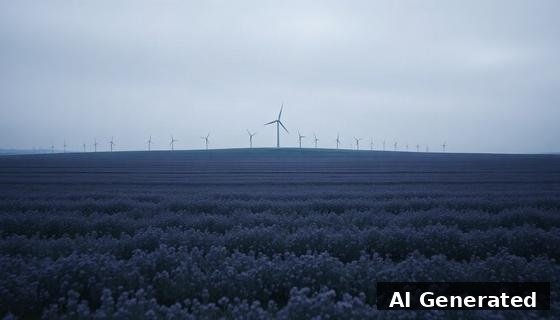
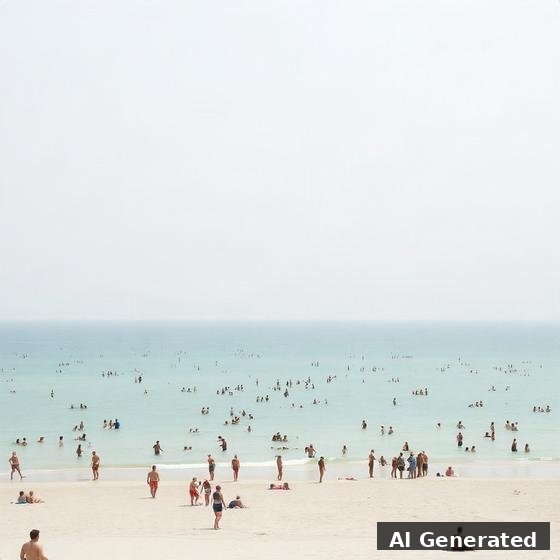
Minimalism believes less is more. Two-thirds of the field picture becomes empty pale sky, the turbines shrinking to a delicate silhouette line; on the beach, the busy crowd is whispered down to scattered dots in milky water. What remains is calm, space and silence.
Original — dusk field. Dusk field, purple flowers, turbine line glowing magenta-cyan; dreamlike cyberpunk mood.Original — summer beach. Packed summer seafront under a giant magenta glitch sun; neon streaks, floating wireframes.Through the lens — field. Two-thirds empty pale sky; turbines shrink to a delicate silhouette row above quiet blooms.Through the lens — beach. Huge white sky, milky water; the packed crowd whispered down to scattered dots.
T06 · Cottagecore
Cottagecore is the fantasy of simple rural comfort: golden light, handmade things, gentle picnics. The turbines turn almost friendly, like farm windmills; the beach becomes storybook golden hour — wicker baskets, straw hats, a rowboat, families on the sand. The world softens at every edge.
Original — dusk field. Dusk field, purple flowers, turbine line glowing magenta-cyan; dreamlike cyberpunk mood.Original — summer beach. Packed summer seafront under a giant magenta glitch sun; neon streaks, floating wireframes.Through the lens — field. Golden light through clouds; lush warm blooms, turbines almost friendly farm windmills.Through the lens — beach. Storybook golden hour: wicker baskets, straw hats, rowboat, picnics, gentle surf.
Setting Lenses — The World Around the Scene
Then the world around the scene changes — five lenses that rebuild the setting while the subject stands perfectly still.
T07 · Cyberpunk (pure)
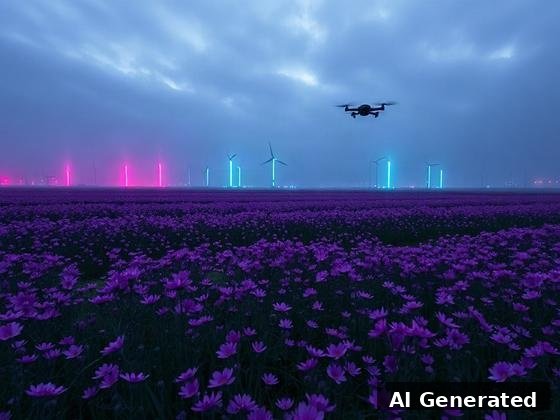
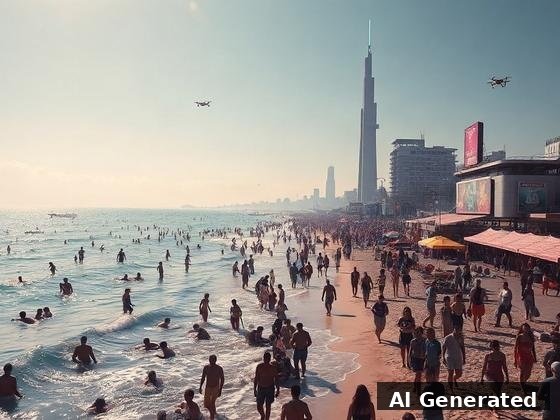
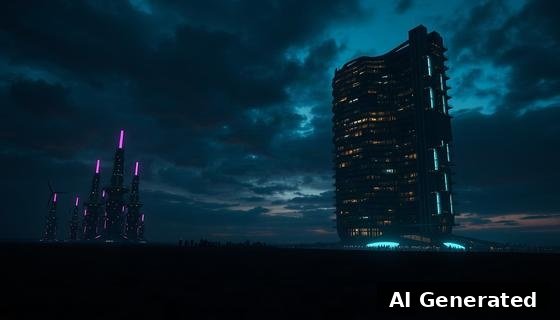
Pure cyberpunk is high tech and low life: neon megacities, drones, corporate towers. Magenta-cyan light pylons rise from the flower field and a drone watches the smoggy blooms; on the beach, a mile-high arcology and digital billboards tower over the unbothered swimmers.
Original — dusk field. Dusk field, purple flowers, turbine line glowing magenta-cyan; dreamlike cyberpunk mood.Original — summer beach. Packed summer seafront under a giant magenta glitch sun; neon streaks, floating wireframes.Through the lens — field. Magenta-cyan light pylons, lit turbine masts, surveillance drone over smoggy blooms.Through the lens — beach. Mile-high arcology, drones and digital billboards towering over the packed beach.
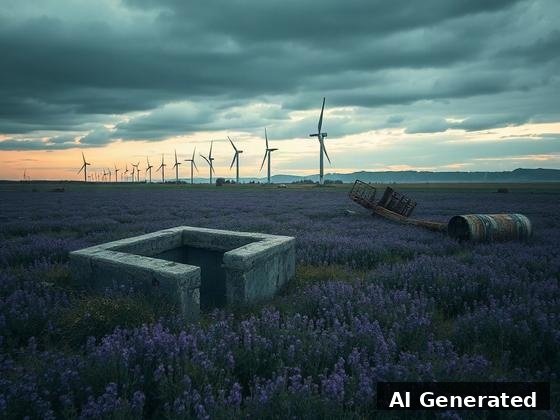
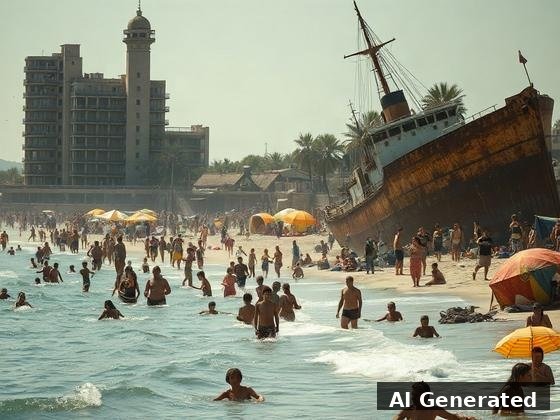
T08 · Post-Apocalyptic
Post-apocalyptic settings ask what survives after the fall. In the field, a bunker ruin and rusted wreckage sink into the flowers — the turbines still standing; on the beach, a rusting ship and a decayed hotel frame a crowd that keeps swimming and laughing among the ruins.
Original — dusk field. Dusk field, purple flowers, turbine line glowing magenta-cyan; dreamlike cyberpunk mood.Original — summer beach. Packed summer seafront under a giant magenta glitch sun; neon streaks, floating wireframes.Through the lens — field. Bunker ruin and rusted wreckage half-swallowed by blooms; turbines still standing.Through the lens — beach. Beached rusting ship, decayed hotel; the crowd still swims, laughing, among ruins.
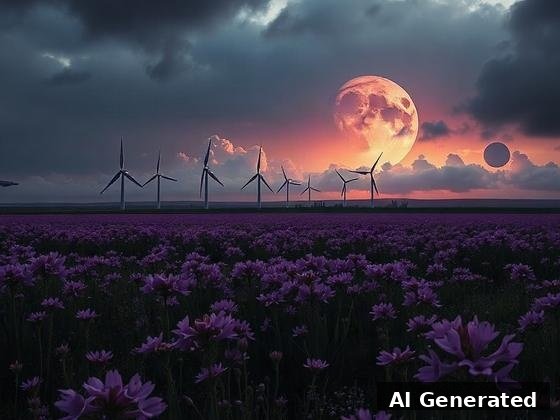
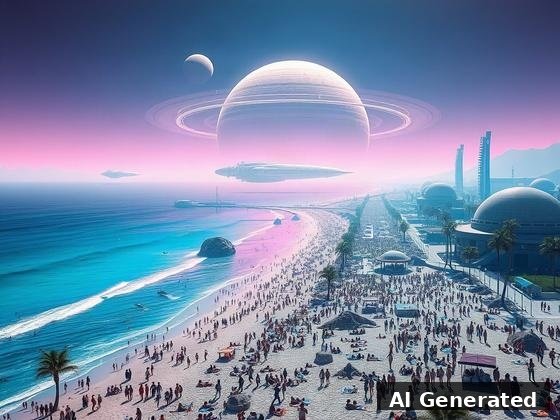
T09 · Space Opera
Space opera is science fiction at its grandest — starships, ringed planets, distant colonies. A cratered moon rises behind the turbines and the field becomes an alien colony; over the beach, a ringed gas giant and descending starships loom above a packed colony shore.
Original — dusk field. Dusk field, purple flowers, turbine line glowing magenta-cyan; dreamlike cyberpunk mood.Original — summer beach. Packed summer seafront under a giant magenta glitch sun; neon streaks, floating wireframes.Through the lens — field. Cratered moon behind the turbine line; the flower field becomes an alien colony.Through the lens — beach. Ringed gas giant, descending starships, domed resort over a packed colony beach.
T10 · Suburban Gothic
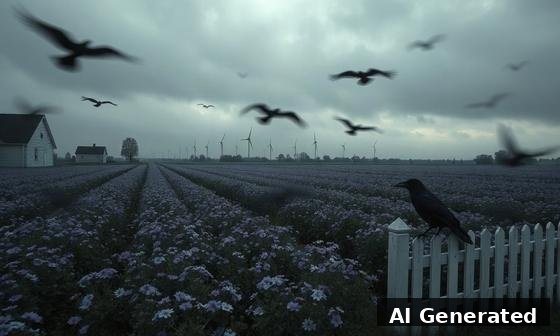
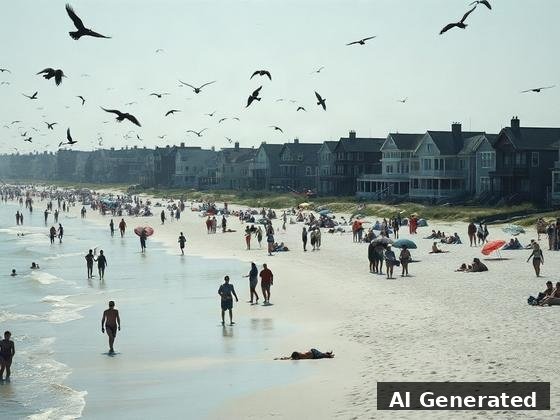
Suburban gothic finds dread hiding inside the ordinary — picket fences, crows, everything a little too neat. The flower rows grow suspiciously perfect while crows wheel above them; on the beach, dark Victorian houses loom behind a pale crowd that is slightly, quietly too still.
Original — dusk field. Dusk field, purple flowers, turbine line glowing magenta-cyan; dreamlike cyberpunk mood.Original — summer beach. Packed summer seafront under a giant magenta glitch sun; neon streaks, floating wireframes.Through the lens — field. Picket fence, wheeling crows, too-neat flower rows; quiet dread under the ordinary.Through the lens — beach. Dark Victorian beach houses loom behind a pale, slightly-too-still swimming crowd.
T11 · High Fantasy
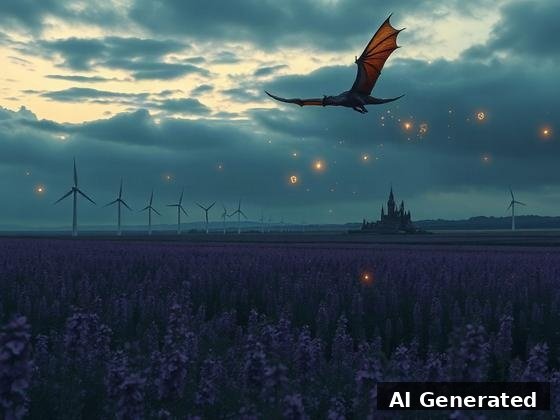
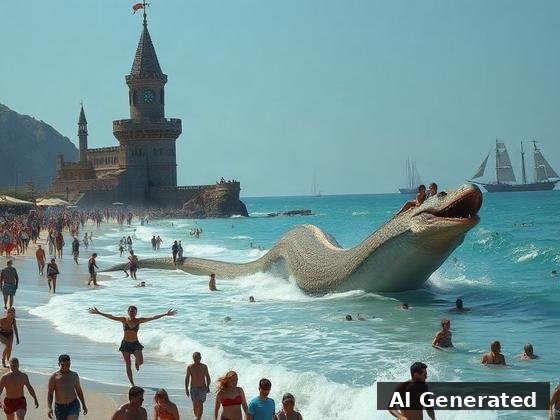
High fantasy lets myth walk right in. A dragon banks over the purple blooms while castle spires rise among the turbines; in the shallows, children ride a gentle sea serpent while a wizard tower watches from ashore. The ordinary becomes legend.
Original — dusk field. Dusk field, purple flowers, turbine line glowing magenta-cyan; dreamlike cyberpunk mood.Original — summer beach. Packed summer seafront under a giant magenta glitch sun; neon streaks, floating wireframes.Through the lens — field. Dragon banks over the blooms; castle spires rise among the turbine line at dusk.Through the lens — beach. Gentle sea serpent among the swimmers — children ride its back; wizard tower ashore.
Art-Movement Lenses — How the Scene Is Painted
Now the scene is painted rather than photographed: five art movements, each with its own idea of what an image is for.
T12 · Surrealism
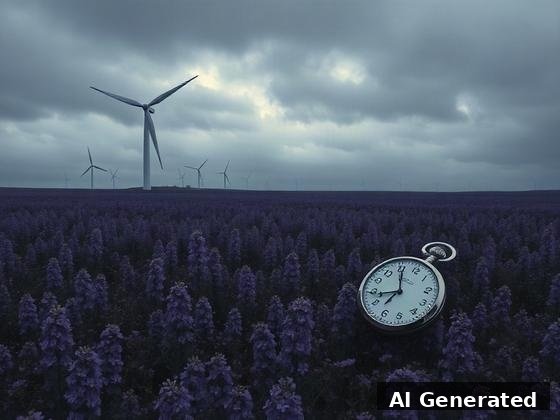
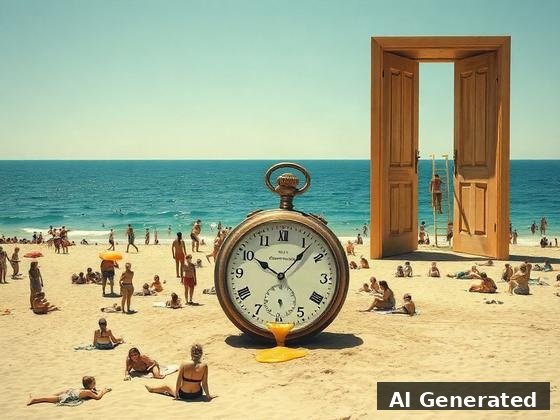
Surrealism gives dreams the discipline of painting. Dalí’s soft time arrives literally: a giant pocket watch half-sinks into the blooms and a melting watch lies on the sand, while a Magritte door floats above sunbathers who find all of it perfectly ordinary.
Original — dusk field. Dusk field, purple flowers, turbine line glowing magenta-cyan; dreamlike cyberpunk mood.Original — summer beach. Packed summer seafront under a giant magenta glitch sun; neon streaks, floating wireframes.Through the lens — field. Giant pocket watch half-sunk in the blooms — Dalí’s soft time lying in the flowers.Through the lens — beach. Melting watch on the sand; a Magritte door floats above unbothered sunbathers.
T13 · Cubism
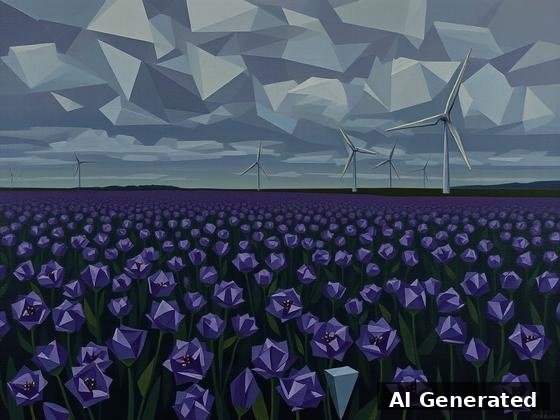
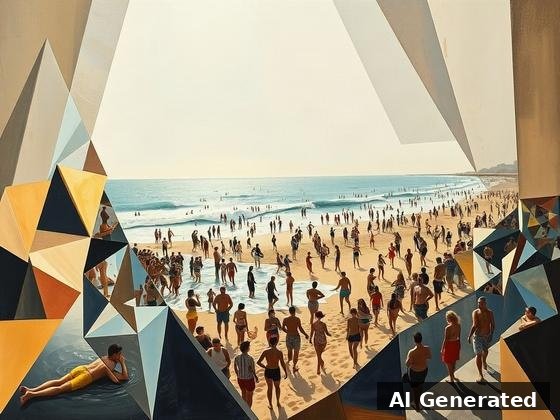
Cubism looks at one moment from many angles at once. The clouds and blooms fracture into faceted planes and the turbines turn to angular geometry; the seafront splinters into prismatic viewpoints, the crowd seen from everywhere simultaneously. It shouldn’t work — it does.
Original — dusk field. Dusk field, purple flowers, turbine line glowing magenta-cyan; dreamlike cyberpunk mood.Original — summer beach. Packed summer seafront under a giant magenta glitch sun; neon streaks, floating wireframes.Through the lens — field. Clouds and blooms fractured into faceted planes; turbines rendered as angular geometry.Through the lens — beach. Seafront seen through prismatic planes; the crowd fractured across multiple viewpoints.
T14 · Expressionism
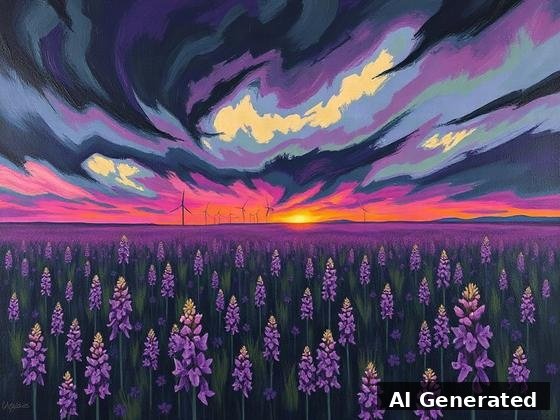
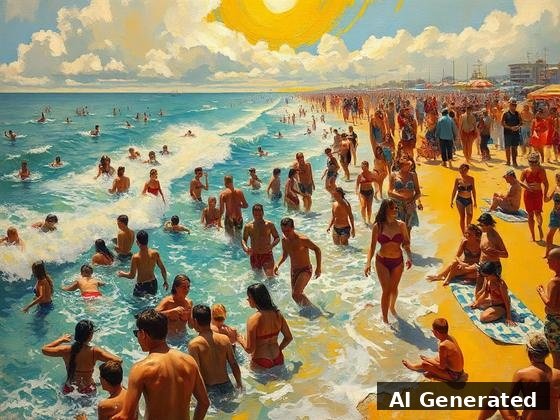
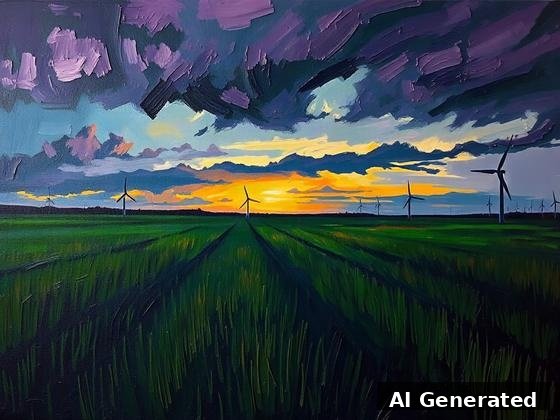
Expressionism paints feeling instead of fact. Thick, swirling brushwork turns the lupines into violet-rose dusk; the beach dissolves into heavy painterly surf and vivid turquoise water. Color stops describing the world and starts shouting about it.
Original — dusk field. Dusk field, purple flowers, turbine line glowing magenta-cyan; dreamlike cyberpunk mood.Original — summer beach. Packed summer seafront under a giant magenta glitch sun; neon streaks, floating wireframes.Through the lens — field. Thick swirling brushwork; purple lupines under a violet-rose dusk, turbines on the horizon.Through the lens — beach. Heavy painterly beach; vivid non-natural color, crowds wading through turquoise surf.
T15 · Dadaism
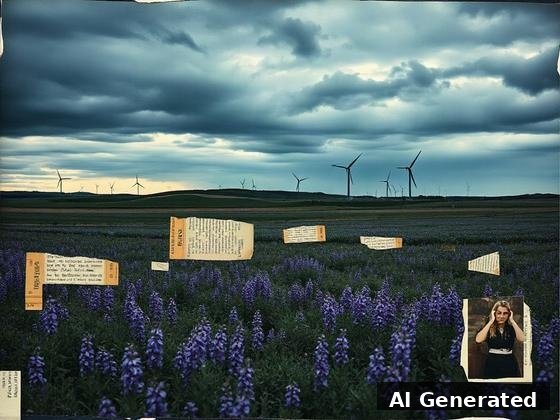
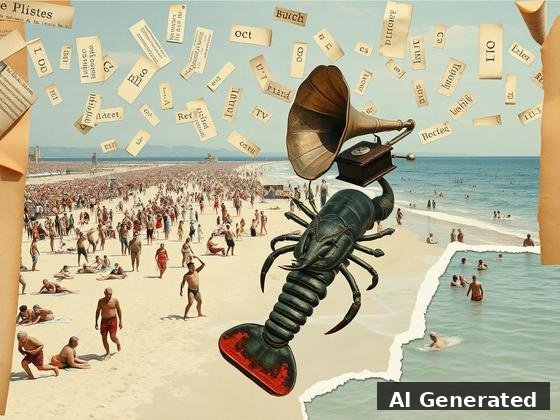
Dadaism is art’s great shrug — anti-art, absurd, delighted. Torn paper scraps rain across the lupines beside a pasted photograph; on the beach, a lobster wearing a gramophone horn strides past swimmers who seem entirely used to it. Nonsense, perfectly composed.
Original — dusk field. Dusk field, purple flowers, turbine line glowing magenta-cyan; dreamlike cyberpunk mood.Original — summer beach. Packed summer seafront under a giant magenta glitch sun; neon streaks, floating wireframes.Through the lens — field. Anti-art collage: torn paper scraps and a pasted photograph scattered across the lupines.Through the lens — beach. A lobster wearing a gramophone horn strides the beach while text scraps rain down.
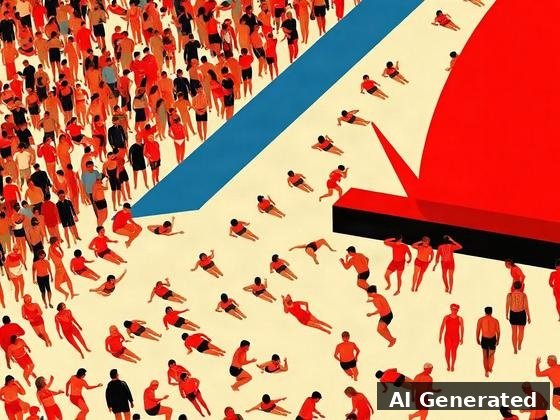
T16 · Constructivism
Constructivism is the Soviet propaganda poster reborn: red suns, flat shapes, hard diagonals. The dusk becomes a red disc over black turbine silhouettes; the beach is seen from above as stylized red-orange bathers and a bold red sail. Everything becomes a manifesto.
Original — dusk field. Dusk field, purple flowers, turbine line glowing magenta-cyan; dreamlike cyberpunk mood.Original — summer beach. Packed summer seafront under a giant magenta glitch sun; neon streaks, floating wireframes.Through the lens — field. Propaganda-poster geometry: red sun disc, flat violet shapes, black turbine silhouettes.Through the lens — beach. Overhead poster view: stylized red-orange bathers, blue diagonal water, bold red sail.
The Punk Family — Eleven Cultural Branches
Eleven branches of the punk family tree, each a different answer to one question: what if this technology, this attitude, had won?
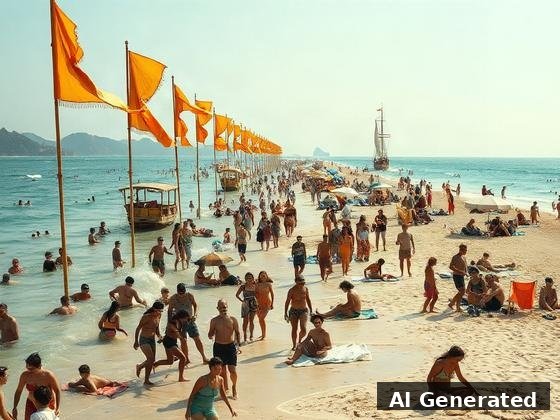
T17 · Silkpunk
Silkpunk asks what technology would look like if engineering were made of silk and bamboo. The turbine masts rebuild themselves as bamboo-and-rope lattice; orange silk banners line the shore and a junk-rigged ship rides offshore. Strength through weaving, not welding.
Original — dusk field. Dusk field, purple flowers, turbine line glowing magenta-cyan; dreamlike cyberpunk mood.Original — summer beach. Packed summer seafront under a giant magenta glitch sun; neon streaks, floating wireframes.Through the lens — field. Turbine masts rebuilt as bamboo-and-rope lattice; silk-banner engineering under a teal dusk.Through the lens — beach. Orange silk banners on bamboo poles line the shore; junk-rigged ship offshore, crowds swimming.
T18 · Frostpunk
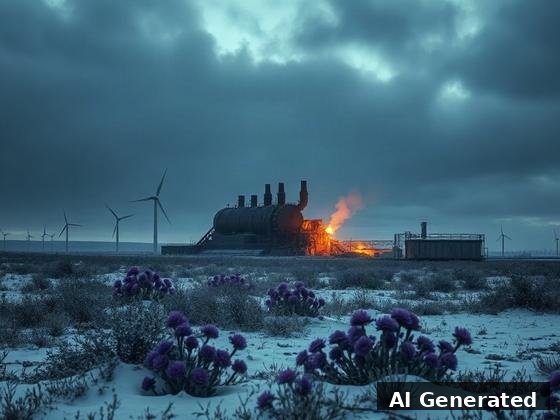
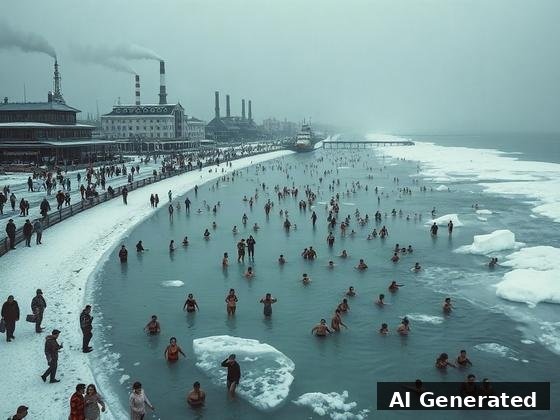
Frostpunk is survival in the endless cold. Snow buries the field while the purple blooms push stubbornly through frost beside a glowing coal-fired generator; the sea partially freezes and the crowd swims a steam-warmed channel between chimneys and ice. Warmth becomes precious.
Original — dusk field. Dusk field, purple flowers, turbine line glowing magenta-cyan; dreamlike cyberpunk mood.Original — summer beach. Packed summer seafront under a giant magenta glitch sun; neon streaks, floating wireframes.Through the lens — field. Snow buries the field; purple blooms push through frost beside a glowing coal-fired generator.Through the lens — beach. Sea partially frozen; the crowd swims a steam-warmed channel past chimneys and ice floes.
T19 · Oceapunk
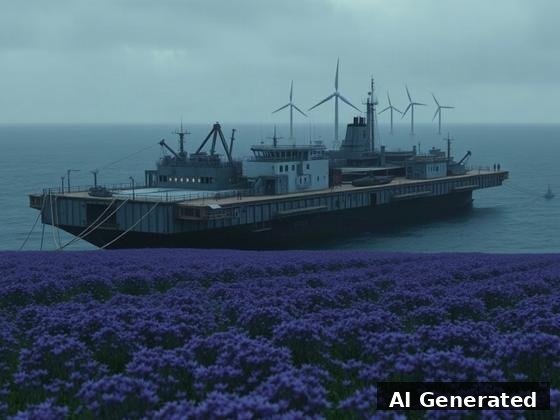
Oceapunk moves humanity onto the water. The flower field grows on a floating platform with turbines rising straight out of the sea; the whole beach becomes a packed floating pier-city, swimmers circling it in turquoise water. Land was only ever a suggestion.
Original — dusk field. Dusk field, purple flowers, turbine line glowing magenta-cyan; dreamlike cyberpunk mood.Original — summer beach. Packed summer seafront under a giant magenta glitch sun; neon streaks, floating wireframes.Through the lens — field. The flower field grows on a floating platform; turbines rise straight out of the sea.Through the lens — beach. The beach becomes a packed floating pier-city; swimmers in the turquoise water around it.
T20 · Glitchpunk
Glitchpunk treats corrupted signals as a style: scanlines, RGB tearing, datamosh. The streaks eat into the dusk field while the blooms stay readable; the beach fringes and tears — but look underneath and the swimmers are still there, glitching gently.
Original — dusk field. Dusk field, purple flowers, turbine line glowing magenta-cyan; dreamlike cyberpunk mood.Original — summer beach. Packed summer seafront under a giant magenta glitch sun; neon streaks, floating wireframes.Through the lens — field. Scanline streaks and RGB tearing eat the dusk field; blooms and turbines stay readable.Through the lens — beach. Datamosh bands and channel-split fringing corrupt the beach; swimmers visible underneath.
T21 · Nanopunk
Nanopunk is about machines too small to see. Iridescent micro-motes glint across the blooms as the turbine row recedes under grey-goo shimmer; over the beach, a silver swarm arcs like a living cloud of machines. The smallest technology becomes weather.
Original — dusk field. Dusk field, purple flowers, turbine line glowing magenta-cyan; dreamlike cyberpunk mood.Original — summer beach. Packed summer seafront under a giant magenta glitch sun; neon streaks, floating wireframes.Through the lens — field. Iridescent micro-motes glint across the blooms; the turbine row recedes under grey-goo shimmer.Through the lens — beach. A silver nano-swarm arcs over the packed shore like a living cloud of machines.
T22 · Biopunk
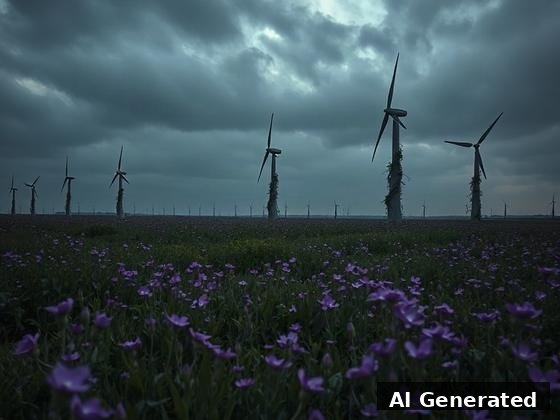
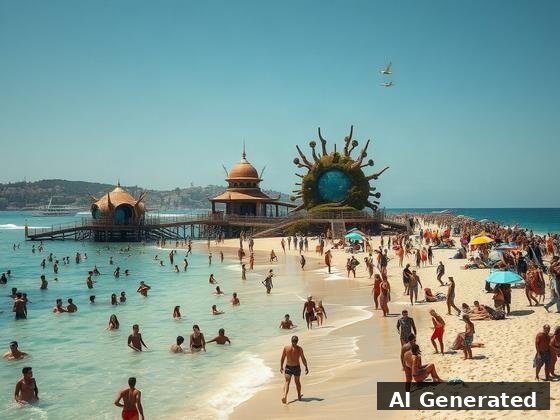
Biopunk grows its technology instead of building it. Living tendrils and moss wrap the turbine masts; on the shore, shell pavilions and a glowing bio-structure rise, grown rather than constructed, over the swimming beach. Engineering goes wet and alive.
Original — dusk field. Dusk field, purple flowers, turbine line glowing magenta-cyan; dreamlike cyberpunk mood.Original — summer beach. Packed summer seafront under a giant magenta glitch sun; neon streaks, floating wireframes.Through the lens — field. Turbine masts wrapped in living tendrils and moss; wet organic growth over the blooms.Through the lens — beach. Grown, not built: organic shell pavilions and a glowing bio-structure over the swimming shore.
T23 · Post-Cyberpunk
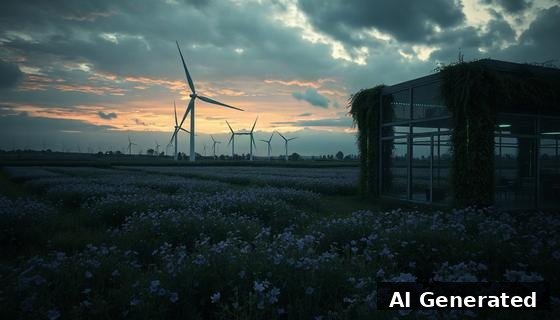
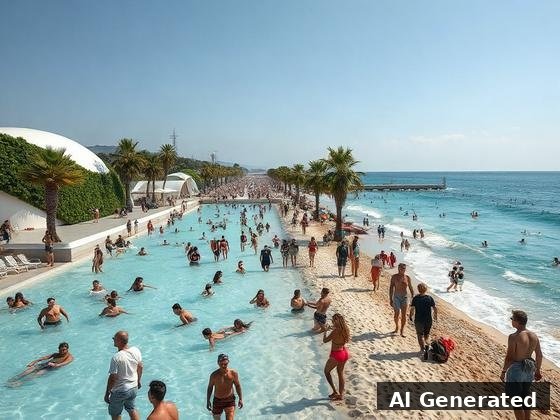
Post-cyberpunk is what cyberpunk hopes to become: technology that works with people, not against them. A glass pavilion with a living green wall settles at the field’s edge; the beach gets clean white canopies and swimmers in unpoisoned water. The future, finally hopeful.
Original — dusk field. Dusk field, purple flowers, turbine line glowing magenta-cyan; dreamlike cyberpunk mood.Original — summer beach. Packed summer seafront under a giant magenta glitch sun; neon streaks, floating wireframes.Through the lens — field. Glass pavilion with a living green wall at the field’s edge; hopeful, integrated future.Through the lens — beach. Clean eco-future promenade, green-roofed dome, white canopies; the crowd swims unpoisoned water.
T24 · Clockpunk
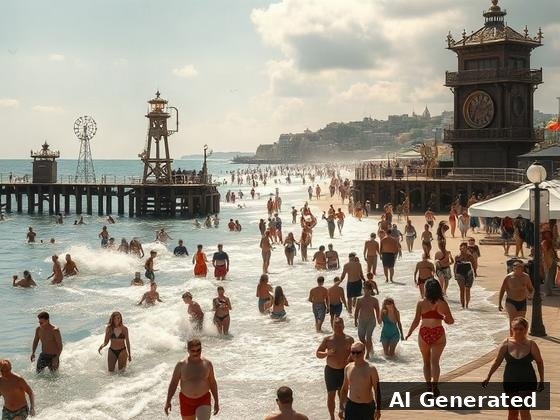
Clockpunk rewinds to Renaissance clockwork — exposed gears, wood and brass, pre-industrial wonder. Wooden-and-brass clockwork engines stand among the blooms; a great clock tower and wind-vane pier rise above the splashing crowd. Everything, wonderfully, ticks.
Original — dusk field. Dusk field, purple flowers, turbine line glowing magenta-cyan; dreamlike cyberpunk mood.Original — summer beach. Packed summer seafront under a giant magenta glitch sun; neon streaks, floating wireframes.Through the lens — field. Wooden-and-brass clockwork engines with exposed gears stand among the blooms; Renaissance wonder.Through the lens — beach. Great clock tower and wind-vane pier above the splashing crowd; pre-industrial mechanics.
T25 · Atompunk
Atompunk is 1950s faith in the atomic future. The turbines perch on lattice masts under a faded teal sky — a mild, mid-century mood; the beach goes full optimism with a googie rocket tower and a starburst-crowned diner in red and cream.
Original — dusk field. Dusk field, purple flowers, turbine line glowing magenta-cyan; dreamlike cyberpunk mood.Original — summer beach. Packed summer seafront under a giant magenta glitch sun; neon streaks, floating wireframes.Through the lens — field. Turbines on 1950s lattice masts under a faded teal sky; mid-century mood (style mild).Through the lens — beach. Googie rocket tower and starburst-crowned diner in red-and-cream; full atomic-age optimism.
T26 · Decopunk
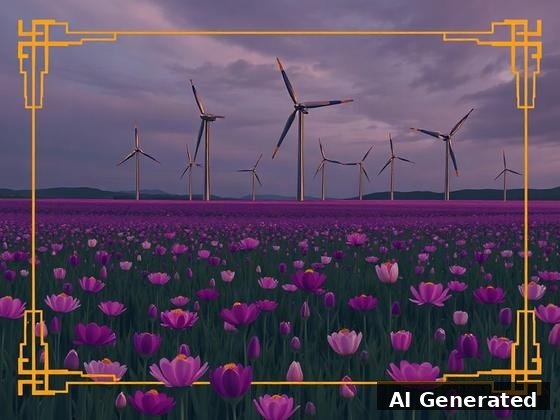
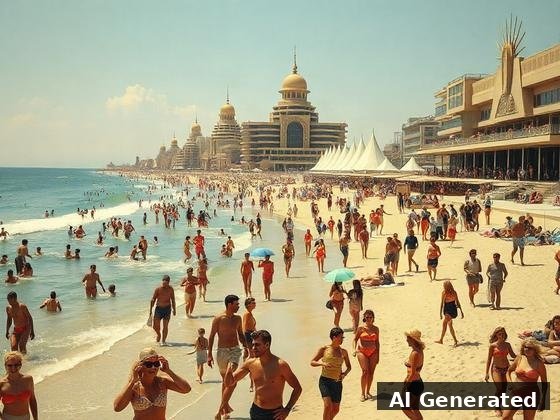
Decopunk is Art Deco with machinery in its veins: gold borders, stepped corners, jazz-age glamour. A golden frame wraps the magenta field like a poster; ziggurat hotel towers with domes rise over the seafront crowd. Gatsby would approve.
Original — dusk field. Dusk field, purple flowers, turbine line glowing magenta-cyan; dreamlike cyberpunk mood.Original — summer beach. Packed summer seafront under a giant magenta glitch sun; neon streaks, floating wireframes.Through the lens — field. Gold Art-Deco border frames the magenta field; stepped geometric corners, poster treatment.Through the lens — beach. Ziggurat deco hotel towers with golden domes rise over the jazz-age seafront crowd.
T27 · Dieselpunk
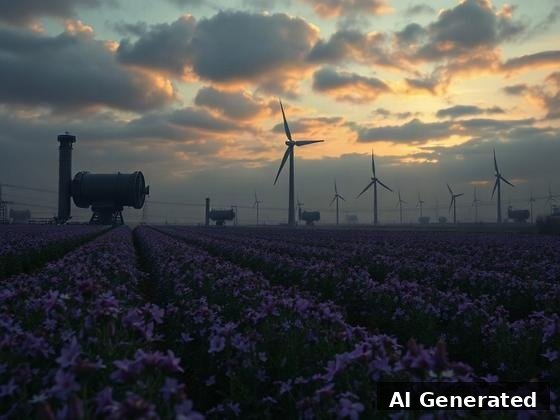
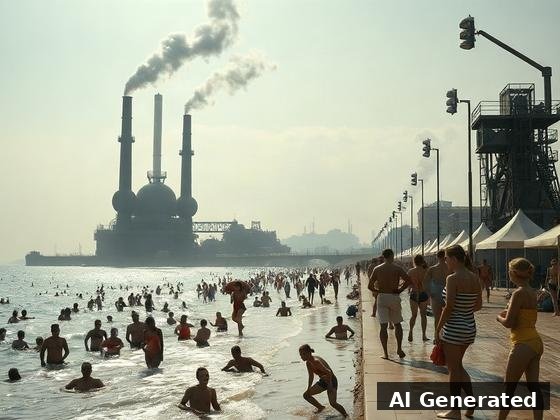
Dieselpunk is the gritty interwar decades: riveted boilers, smokestacks, smog. A massive diesel engine parks at the field’s edge, breathing smoke over the blooms; a twin-stack powerplant looms sepia over 1930s bathers. Beauty with coal dust on it.
Original — dusk field. Dusk field, purple flowers, turbine line glowing magenta-cyan; dreamlike cyberpunk mood.Original — summer beach. Packed summer seafront under a giant magenta glitch sun; neon streaks, floating wireframes.Through the lens — field. Massive riveted diesel boiler with smokestacks parked at the field’s edge; smog over the blooms.Through the lens — beach. Smoking twin-stack powerplant looms over the seafront; sepia smog, 1930s bathers.
Environment Lenses — The World Re-Placed
Experiment two began by re-placing the scenes in stranger worlds — five environment lenses, from empty liminal dusk to mile-high arcologies.
T29 · Liminal Space
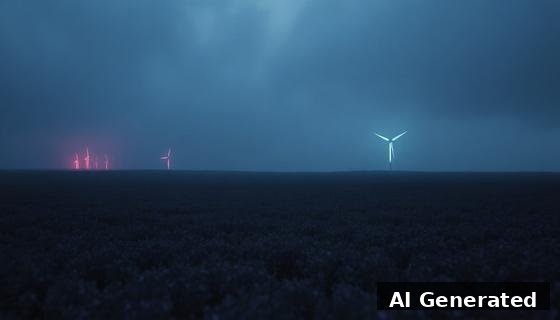
Liminal spaces are the empty in-between places — corridors and waiting rooms where nobody waits. Here the seafront drains of every human: umbrellas standing, loungers empty, footprints with no feet. In the field, fog drowns the turbines, their neon half-dead. Presence becomes absence.
Original — dusk field. Dusk field, purple flowers, turbine line glowing magenta-cyan; dreamlike cyberpunk mood.Original — summer beach. Packed retro-postcard seafront: yellow sun, turquoise surf, striped umbrellas, palm shore. sha256 `82c7c09a…`Through the lens — field. Fog-drowned turbine row, neon lights half-dead in the dark; machines lit for nobody in a vast transitional nowhere.Through the lens — beach. The same seafront drained of every human — umbrellas standing, loungers empty, footprints with no feet; uncanny flat light.
T30 · Brutalist Architecture
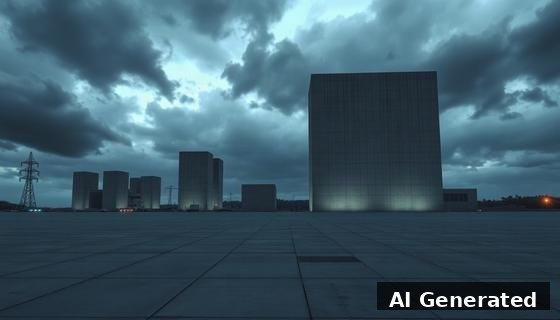
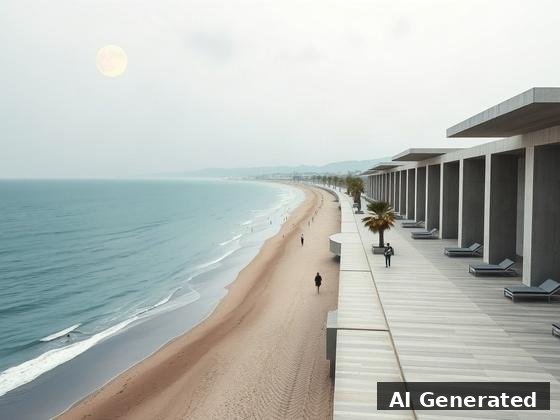
Brutalism builds in raw, honest concrete — massive slabs, no decoration, no apology. A colonnade and canopy slabs march along the shore while the sea keeps its crowds; in the field, the turbines become monolithic concrete blocks on a vast plaza. Weight becomes beauty.
Original — dusk field. Dusk field, purple flowers, turbine line glowing magenta-cyan; dreamlike cyberpunk mood.Original — summer beach. Packed retro-postcard seafront: yellow sun, turquoise surf, striped umbrellas, palm shore. sha256 `82c7c09a…`Through the lens — field. Turbines as monolithic béton-brut blocks over a vast concrete plaza; pylon and service lights as infrastructure accents.Through the lens — beach. Raw-concrete pavilion colonnade and canopy slabs along the shore; sea and crowds remain. (Accepted with a noted deviation: elevated camera angle.)
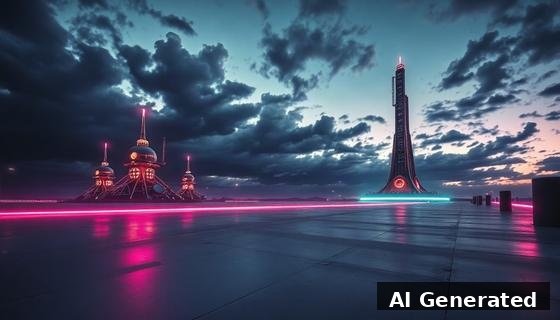
T31 · Raygun Gothic
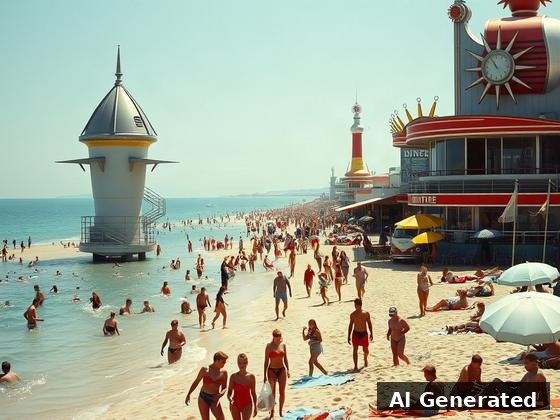
Raygun gothic is 1950s pulp science fiction: chrome, fins, sunbursts, unshakeable optimism. A googie lifeguard tower with a swooping fin watches the beach; the field grows chrome domes and a rocket tower glowing cyan at its base. Tomorrow, as imagined in 1955.
Original — dusk field. Dusk field, purple flowers, turbine line glowing magenta-cyan; dreamlike cyberpunk mood.Original — summer beach. Packed retro-postcard seafront: yellow sun, turquoise surf, striped umbrellas, palm shore. sha256 `82c7c09a…`Through the lens — field. Chrome domed spire cluster left, rocket tower with cyan base glow right of center, neon ground strips — pulp sci-fi dusk.Through the lens — beach. Googie lifeguard tower with a swooping fin, stylized sunburst sun, mid-century crowd — atomic-age seaside.
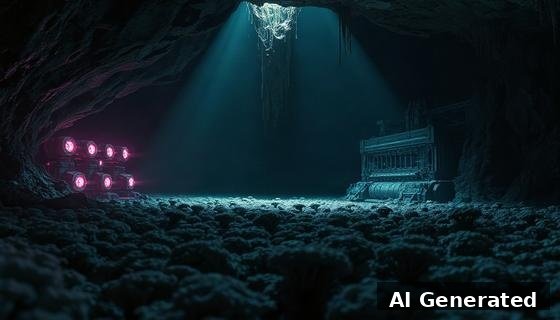
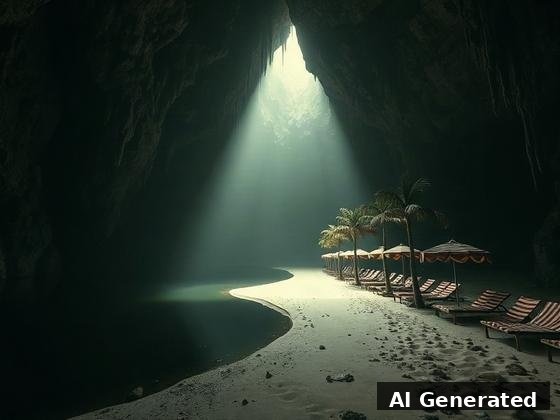
T32 · Subterranean Under Dark
Subterranean pulls the whole scene underground. The seafront re-forms inside a vast cavern — a black mirror-still lake, umbrella rows in the gloom, one light shaft from above. The field’s machines glow in a bioluminescent cavern over fungal floor. Daylight becomes memory.
Original — dusk field. Dusk field, purple flowers, turbine line glowing magenta-cyan; dreamlike cyberpunk mood.Original — summer beach. Packed retro-postcard seafront: yellow sun, turquoise surf, striped umbrellas, palm shore. sha256 `82c7c09a…`Through the lens — field. Glowing machines standing in a bioluminescent cavern; fungal floor, dripping rock, oppressive depth.Through the lens — beach. The seafront relocated into a vast cavern: black mirror-still lake left, umbrella rows in the gloom right, one light shaft from above.
T33 · Arcology
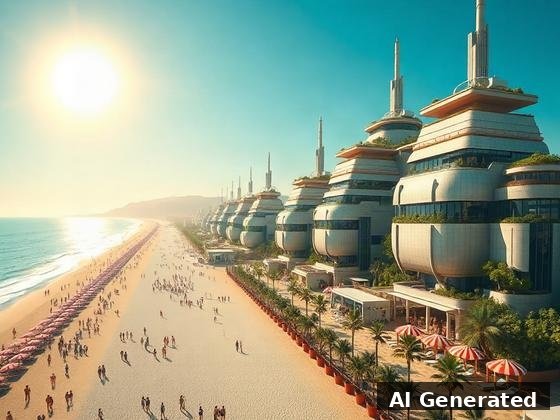
An arcology is a city folded into one ecological megastructure. Habitat terraces and greenhouse decks line the shore, greenery cascading to the sand; in the field, a mile-high habitat tower stands where the big turbine was, reborn as a pink energy spine. Architecture as organism.
Original — dusk field. Dusk field, purple flowers, turbine line glowing magenta-cyan; dreamlike cyberpunk mood.Original — summer beach. Packed retro-postcard seafront: yellow sun, turquoise surf, striped umbrellas, palm shore. sha256 `82c7c09a…`Through the lens — field. A mile-high habitat tower right of center; the turbines reborn as pink energy spines with beacon lights at dusk.Through the lens — beach. Ecological megastructure row along the shore — habitat terraces, greenhouse decks, greenery cascading to the sand.
Art-Movement Lenses, Round Two
Then seven more ways to paint the same two scenes — from psychedelic swirl to Mondrian’s ruthless grid.
T34 · Psychedelic Art
Psychedelic art pours 1960s acid culture onto canvas: liquid color, vortices, marbled skies. The beach survives beneath a magenta-teal swirl — the standout image of the run; in the field, a marbled dusk vortex swallows the big turbine while the flowers blaze in complementary color.
Original — dusk field. Dusk field, purple flowers, turbine line glowing magenta-cyan; dreamlike cyberpunk mood.Original — summer beach. Packed retro-postcard seafront: yellow sun, turquoise surf, striped umbrellas, palm shore. sha256 `82c7c09a…`Through the lens — field. Marbled dusk vortex swallowing the big turbine; the flower field ablaze in complementary color.Through the lens — beach. Liquid-marble sky in magenta/teal/orange, sun vortices — the packed beach intact beneath the swirl. Standout of the run.
T35 · Fauvism
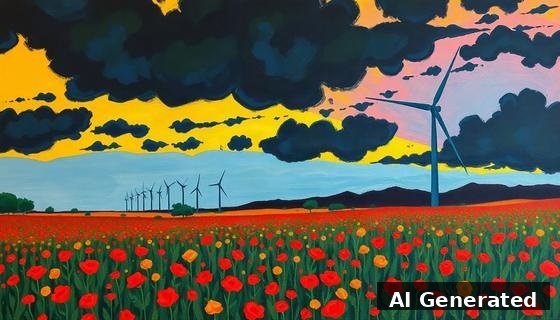
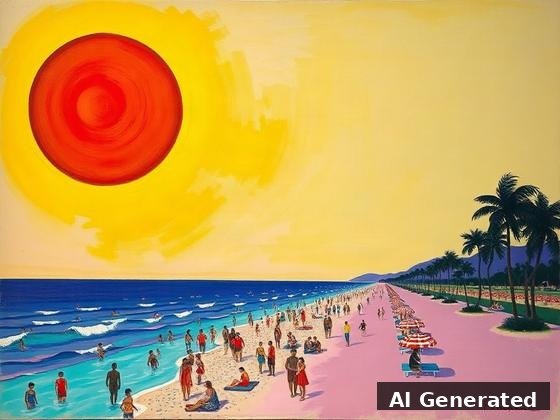
The Fauves — the wild beasts — believed color was emotion, not description. So: red sun, pink sand, yellow sky; in the field, a chrome-yellow sky over a vermilion bloom-bed and electric-blue turbines. Vigorous brushwork, strong outlines, joy with teeth.
Original — dusk field. Dusk field, purple flowers, turbine line glowing magenta-cyan; dreamlike cyberpunk mood.Original — summer beach. Packed retro-postcard seafront: yellow sun, turquoise surf, striped umbrellas, palm shore. sha256 `82c7c09a…`Through the lens — field. Chrome-yellow sky, dark blue-green clouds, vermilion field, electric-blue turbines.Through the lens — beach. Red sun, pink sand, yellow sky — color as emotion, flattened forms, vigorous brushwork, strong outlines.
T36 · De Stijl (Neoplasticism)
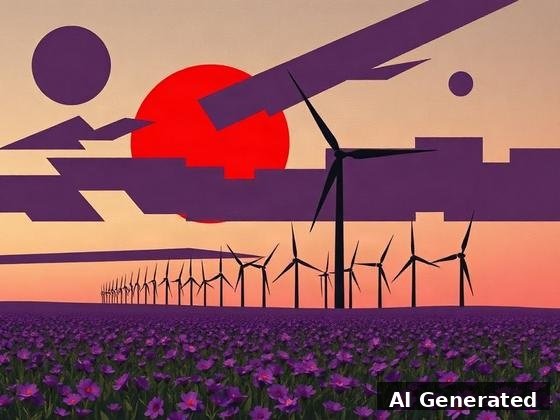
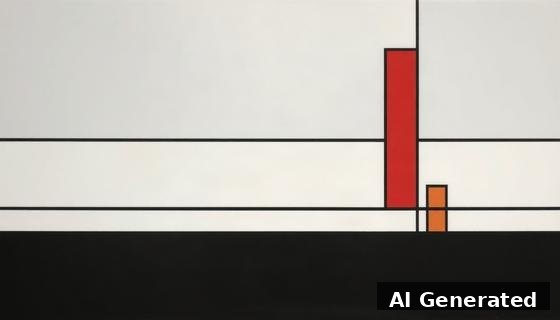
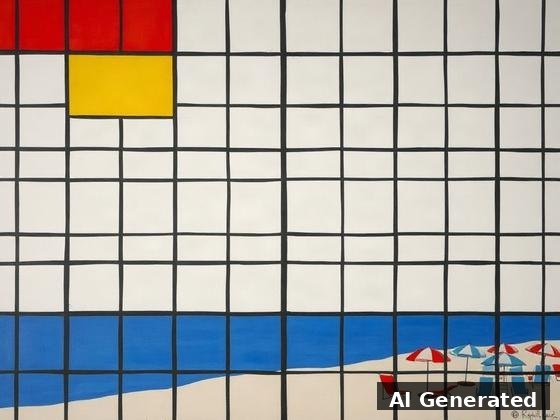
De Stijl reduces the world to a black grid and primary colors — Mondrian’s pure order. Our field becomes the strictest Mondrian of the whole experiment: the big turbine a tall red vertical, the dusk a black band, zero curves allowed. The beach keeps one rebellious umbrella.
Original — dusk field. Dusk field, purple flowers, turbine line glowing magenta-cyan; dreamlike cyberpunk mood.Original — summer beach. Packed retro-postcard seafront: yellow sun, turquoise surf, striped umbrellas, palm shore. sha256 `82c7c09a…`Through the lens — field. The purest Mondrian of either experiment: tall red vertical = the big turbine right of center, black band = the dusk field, zero curves.Through the lens — beach. Strict black grid with primary red/yellow/blue fields. (Accepted with a noted deviation: a literal umbrella corner and one diagonal survived the officer’s self-rejected first render and its single regeneration.)
T37 · Suprematism
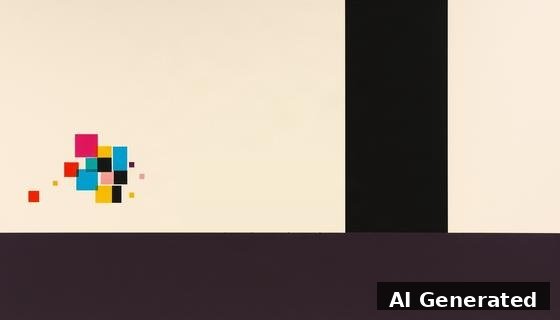
Suprematism goes one step further than De Stijl: pure floating geometry, no world at all. The sun becomes a circle, the sea a band, umbrellas tilted squares; the field maps to a tall black rectangle and a square cluster — zero depth, zero texture.
Original — dusk field. Dusk field, purple flowers, turbine line glowing magenta-cyan; dreamlike cyberpunk mood.Original — summer beach. Packed retro-postcard seafront: yellow sun, turquoise surf, striped umbrellas, palm shore. sha256 `82c7c09a…`Through the lens — field. Strict mapping: tall black rectangle right of center = the big turbine, small square cluster left, aubergine band = the field. Zero depth, zero texture.Through the lens — beach. Floating geometric shapes on a pale ground — sun as circle, sea as band, umbrellas as tilted squares. (Accepted with a noted deviation: semi-literal umbrella/palm remnants.)
T38 · Magic Realism
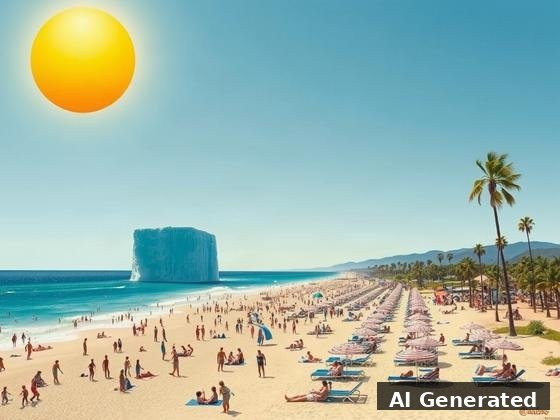
Magic realism inserts exactly one impossible thing into a perfectly real photograph — and nobody reacts. Here it is a giant ice monolith standing in the sea while the beach carries on sunbathing. The field stays photoreal and faithful; its quiet miracle stays quiet.
Original — dusk field. Dusk field, purple flowers, turbine line glowing magenta-cyan; dreamlike cyberpunk mood.Original — summer beach. Packed retro-postcard seafront: yellow sun, turquoise surf, striped umbrellas, palm shore. sha256 `82c7c09a…`Through the lens — field. Photoreal dusk field, composition faithful. (Accepted with a noted gap: the brief’s “single calm impossibility” is not clearly discernible — style particular unproven.)Through the lens — beach. Precise photoreal beach with exactly one deadpan impossibility: a giant ice-monolith standing in the sea — and nobody reacts.
T39 · Pointillism
Pointillism builds the whole image from dots of pure color, trusting your eye to blend them. The beach shimmers La-Grande-Jatte style; the dusk field glows in divisionist dabs with dotted halos around the neon — and a faux-Signac signature sneaks into a corner.
Original — dusk field. Dusk field, purple flowers, turbine line glowing magenta-cyan; dreamlike cyberpunk mood.Original — summer beach. Packed retro-postcard seafront: yellow sun, turquoise surf, striped umbrellas, palm shore. sha256 `82c7c09a…`Through the lens — field. Dotted dusk halos around the neon glows; the whole scene in divisionist dabs (faux-Signac signature included).Through the lens — beach. The entire beach built from small distinct dots of pure color — shimmering optical blending, La Grande Jatte spirit.
T40 · Glitch Art
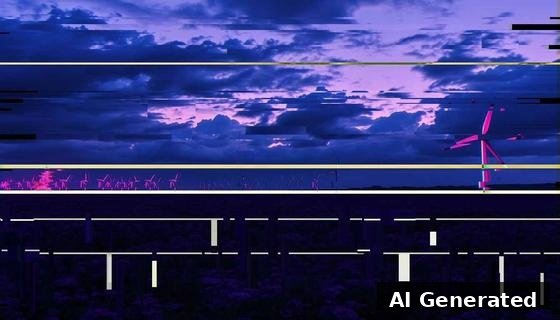
Glitch art makes a virtue of digital error: pixel-sorting, channel splits, scanline tears. This is the strongest glitch of either experiment — RGB-split turbines and full-width tears, the field still readable beneath; on the beach, smears run through sky and sea while the sun stays clean.
Original — dusk field. Dusk field, purple flowers, turbine line glowing magenta-cyan; dreamlike cyberpunk mood.Original — summer beach. Packed retro-postcard seafront: yellow sun, turquoise surf, striped umbrellas, palm shore. sha256 `82c7c09a…`Through the lens — field. The strongest glitch of either experiment: RGB-split turbines, full-width scanline tears, datamosh blocks — field readable beneath.Through the lens — beach. Pixel-sorting smears through sky and sea, scanline texture, the sun kept clean as an anchor.
The Bonus Lens — Archaeology by Accident
And finally, the happy accident: a lens nobody planned, commissioned by a slip of the tongue, and far too good to throw away.
T41 · Archaeology
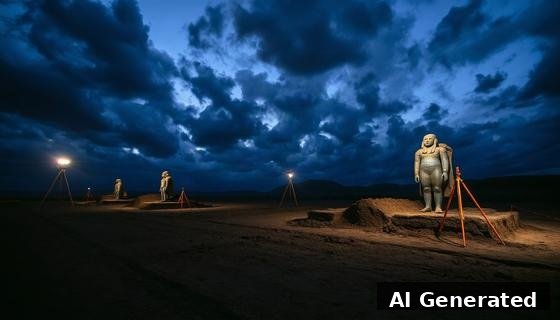
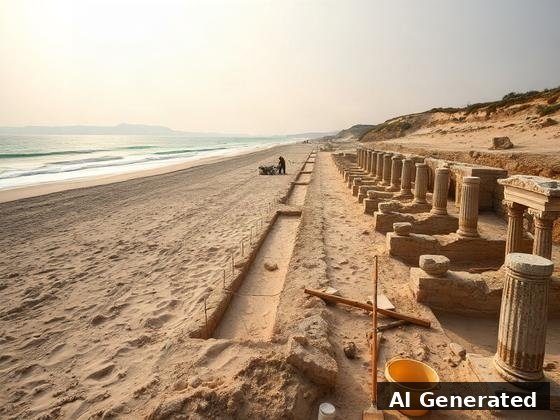
Archaeology was a slip of the tongue — ‘arcology’ was meant — but the officers rendered it anyway, and it passed QA on its own brief. The beach becomes an active dig: trench, grid strings, half-buried colonnade; the field yields half-unearthed verdigris giants under floodlights. A happy accident worth keeping.
Original — dusk field. Dusk field, purple flowers, turbine line glowing magenta-cyan; dreamlike cyberpunk mood.Original — summer beach. Packed retro-postcard seafront: yellow sun, turquoise surf, striped umbrellas, palm shore. sha256 `82c7c09a…`Through the lens — field. Half-unearthed verdigris metal giants on spoil mounds; tripod floodlights throw warm and cyan pools at dusk.Through the lens — beach. The beach as an active dig site: stratigraphic trench, grid strings, half-buried ancient colonnade, brushes and buckets.
Quality Gate — What Got Rejected
Every render passed three gates: the officer’s own vision self-check against its brief’s KEEP list, an independent orchestrator vision-QA, and a sha256 verification that the delivered bytes match the registered asset. Two final candidates failed and were re-made; the rejects are kept for the record.
Rejected — expressionism field v8: the flowers came out green; the pinned purple-flowers particular was missing. Re-made as treatment 14.Rejected — glitchpunk beach v1: a clean photograph with no glitch at all. One re-render fixed it (treatment 20).
Also on record: 25_atompunk_field accepted with a “mild style” caveat; experiment 2’s accepted-with-deviation notes — 30_brutalist_beach (elevated camera angle), 36_destijl_beach (a literal umbrella corner survived the single allowed regeneration), 37_suprematism_beach (semi-literal remnants), 38_magicrealism_field (the “single calm impossibility” not clearly discernible). All re-makeable on request.
AI Disclosure: every image in this article is AI-generated, produced by the Media Factory stand — an orchestrator coordinating autonomous officers — in federation with an external rendering service, and each final passed vision-QA before acceptance.
To provide the best experiences, we use technologies like cookies to store and/or access device information. Consenting to these technologies will allow us to process data such as browsing behavior or unique IDs on this site. Not consenting or withdrawing consent, may adversely affect certain features and functions.
Functional
Always active
The technical storage or access is strictly necessary for the legitimate purpose of enabling the use of a specific service explicitly requested by the subscriber or user, or for the sole purpose of carrying out the transmission of a communication over an electronic communications network.
Preferences
The technical storage or access is necessary for the legitimate purpose of storing preferences that are not requested by the subscriber or user.
Statistics
The technical storage or access that is used exclusively for statistical purposes.The technical storage or access that is used exclusively for anonymous statistical purposes. Without a subpoena, voluntary compliance on the part of your Internet Service Provider, or additional records from a third party, information stored or retrieved for this purpose alone cannot usually be used to identify you.
Marketing
The technical storage or access is required to create user profiles to send advertising, or to track the user on a website or across several websites for similar marketing purposes.