





In a move that has left cynics both amused and unsurprised, Canada and several NATO allies have reportedly met or surpassed the longstanding 2% GDP defense spending target, according to a recent Global News report. This revelation, emerging amid heightened global tensions and persistent U.S. pressure, answers the who, what, when, where, and why of a decades-old alliance demand that many thought would remain eternally out of reach.
The 2% Illusion: A Background on NATO’s Favorite Benchmark
NATO’s 2% defense spending guideline, born from the 2014 Wales Summit, was meant to ensure collective security in an increasingly unpredictable world. For years, it served as a symbolic yardstick that most members casually ignored, with only a stalwart few like the United States and Greece consistently footing the bill. Canada, often labeled a laggard, faced relentless criticism for its subpar contributions, making this recent development a potential plot twist in the alliance’s ongoing drama.
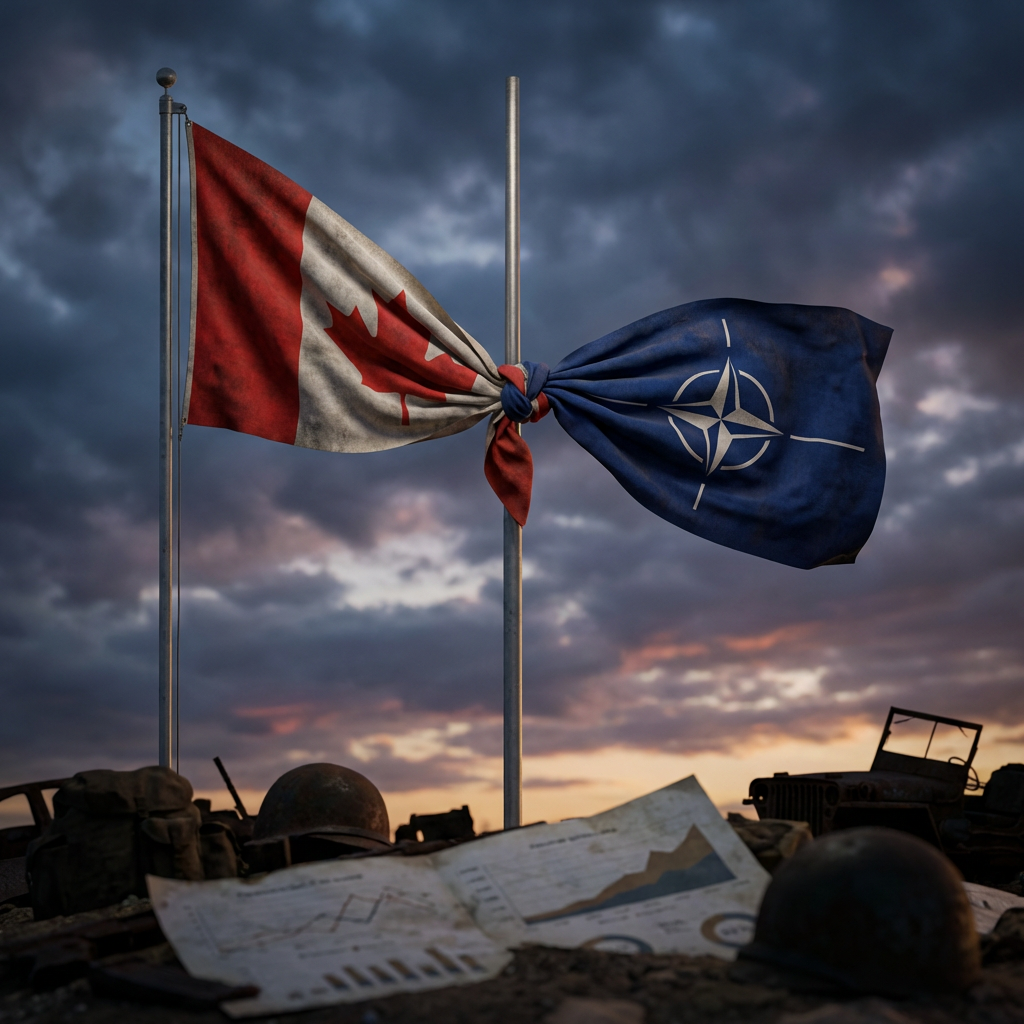
The Usual Suspects and the New Recruits
The report highlights that traditional overachievers such as the United States, the United Kingdom, and Poland have long eclipsed the 2% mark, while newcomers like Germany and Canada have now awkwardly shuffled into the club. Data from NATO’s 2023 estimates suggests that 11 allies met the target, a slight increase from previous years, but the details are where the irony truly shines.
Canada’s achievement, for instance, is attributed to a mix of increased military budgets and what analysts diplomatically call ‘statistical adjustments.’ With a GDP that dances to the tune of commodity prices and defense outlays that include everything from veteran benefits to cybersecurity, hitting 2% might be less about brute force and more about fiscal sleight of hand.
Expert Takes: Applause or Eye-Rolls?
Defense experts are divided, with some offering cautious praise and others stifling laughter. Dr. Emily Carter, a security analyst at the International Institute for Strategic Studies, noted, “While meeting the target is symbolically important, it doesn’t automatically translate to military readiness. Canada’s spending increases are real, but they’re also padded with items that stretch the definition of ‘defense.'” Meanwhile, data from the Stockholm International Peace Research Institute (SIPRI) shows global military spending hit a record $2.2 trillion in 2023, yet effectiveness in addressing modern threats like cyber warfare remains questionable.
Adding to the skepticism, a NATO official, speaking on condition of anonymity, quipped, “We’ll celebrate when allies sustain this pace for more than a budget cycle. Right now, it feels like everyone cramming for an exam they’ve been avoiding all semester.”
The Angles: Politics, Economics, and Public Perception
Politically, this development offers a temporary win for leaders like Canadian Prime Minister , who can now deflect criticism from allies, particularly the U.S., where demands for burden-sharing have been vocal. Economically, the increased spending raises questions about opportunity costs—funds directed to defense might come from healthcare or education, a trade-off that taxpayers are increasingly scrutinizing.
Public perception is another layer; in Canada, polls show mixed reactions, with some citizens proud of the step-up and others wary of militarization. The irony is palpable: after years of dragging their feet, allies are now scrambling to meet a target that many experts argue is arbitrary and outdated in an era of hybrid threats.
Implications: What This Means for NATO and the World
For NATO, meeting the 2% target bolsters collective credibility, but it also risks fostering complacency if viewed as a checkbox exercise. The alliance’s unity could be tested if spending disparities persist or if economic downturns force cuts. For the defense industry, this trend signals a boon, with increased contracts for equipment and technology, though supply chain issues and inflation might temper the windfall.
On a broader scale, this shift could influence global security dynamics, potentially escalating arms races or prompting adversaries like Russia and China to recalibrate their strategies. The real test will be whether this spending translates into tangible capabilities, such as modernized forces and interoperable systems, rather than just bloated budgets.
Looking ahead, all eyes will be on NATO’s upcoming summit, where allies will face pressure to sustain or even increase their commitments. Key indicators to watch include Canada’s next budget announcement, Germany’s defense trajectory, and whether smaller nations follow suit. If history is any guide, this might be a fleeting moment of alignment before the alliance returns to its usual squabbles—after all, in the world of defense spending, promises are as durable as a paper shield in a rainstorm.
