




Maduro’s US Court Appearance: Scrutinizing the Legal Case Against Venezuela’s Leader
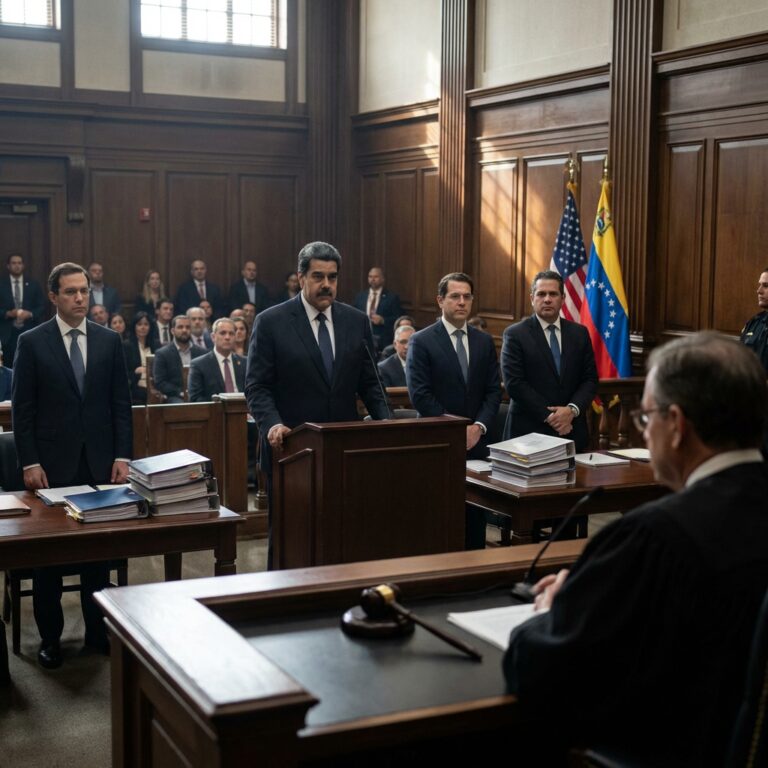
Explore the US legal case against Venezuela's Maduro, facing narcoterrorism and corruption charges in a landmark court appearance.
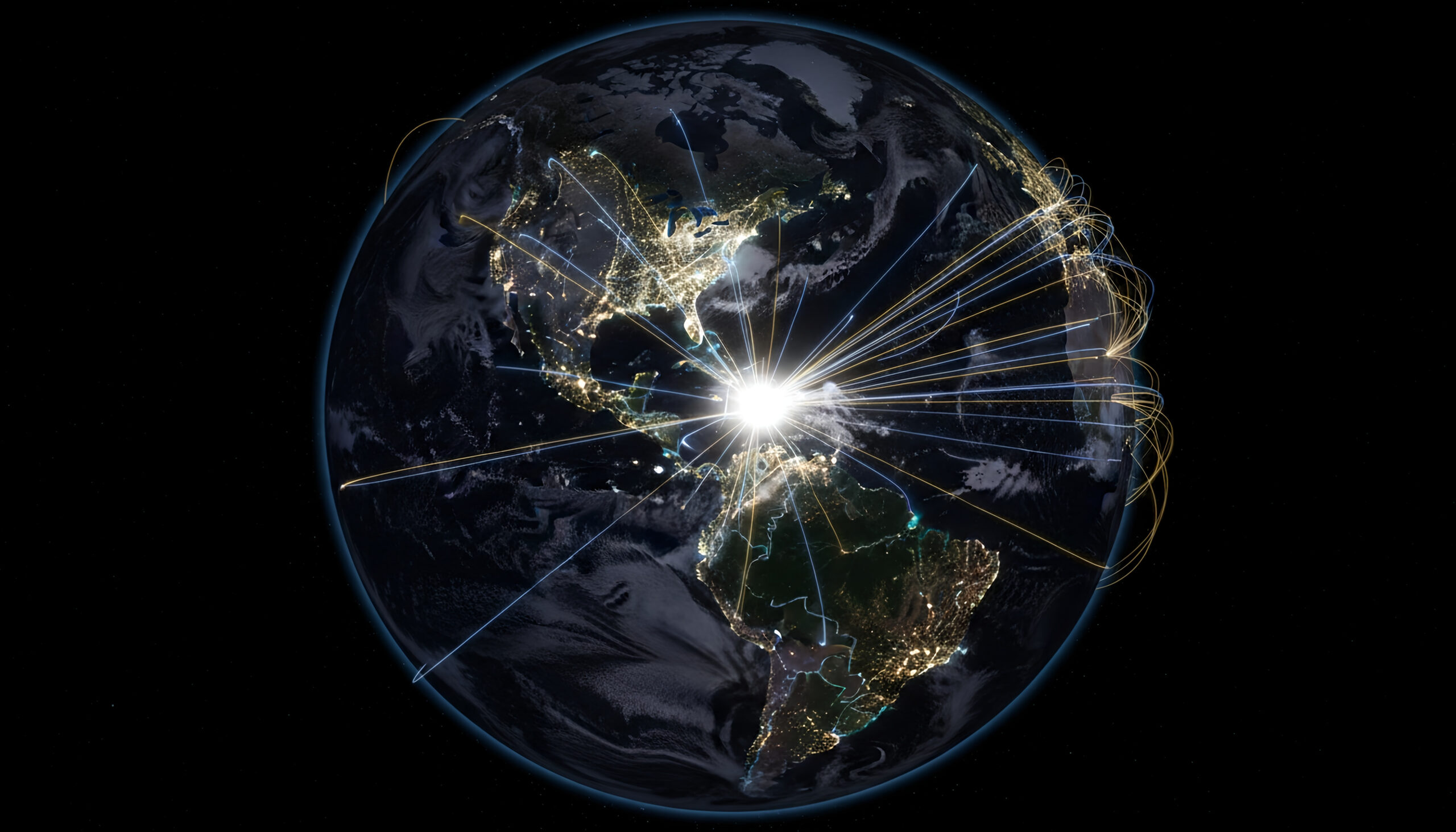
Americas Geopolitics explores how power, resources, and alliances shape relations across North, Central, and South America. This category covers US influence, regional organizations, trade blocs, migration, security cooperation, and how states in the hemisphere navigate global rivals, climate risks, and shifting economic dependencies
Explore the US legal case against Venezuela's Maduro, facing narcoterrorism and corruption charges in a landmark court appearance.
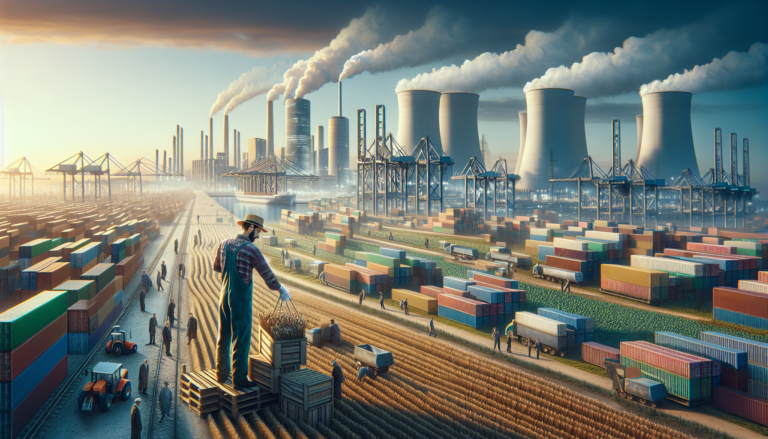
Title: Europe Grapples with New Agricultural Policy Changes Introduction Europe is facing a big change in how it handles agriculture. The European Union (EU) has introduced new policies aimed at making farming more sustainable. This means farming in a way…

In the past few weeks, the EU - Mercosur trade deal has stirred up quite a storm across Europe. Farmers, politicians, and everyday citizens are all buzzing about what this agreement could mean for the continent. With concerns ranging from job security to food standards, the deal has become a hot topic. Here’s a breakdown of what’s happening and why it matters.
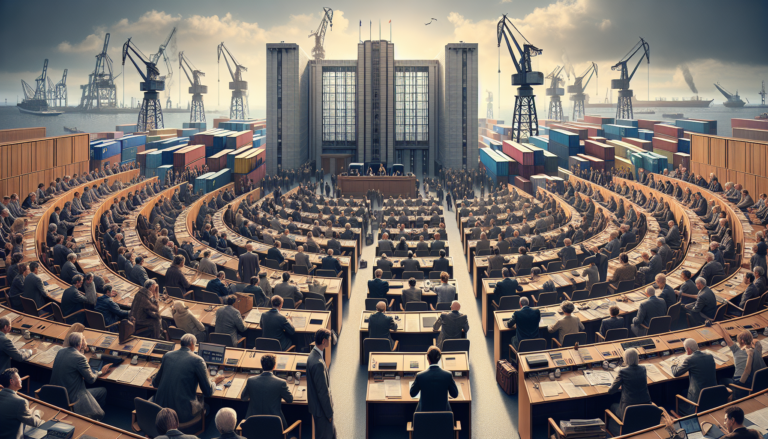
The Mercosur trade agreement is causing quite a stir across Europe. As leaders debate its potential benefits and drawbacks, ordinary Europeans are left wondering what it means for their jobs, local farmers, and the quality of food on their tables. This article breaks down the latest development, the political disagreements surrounding it, and its possible impact on everyday life.
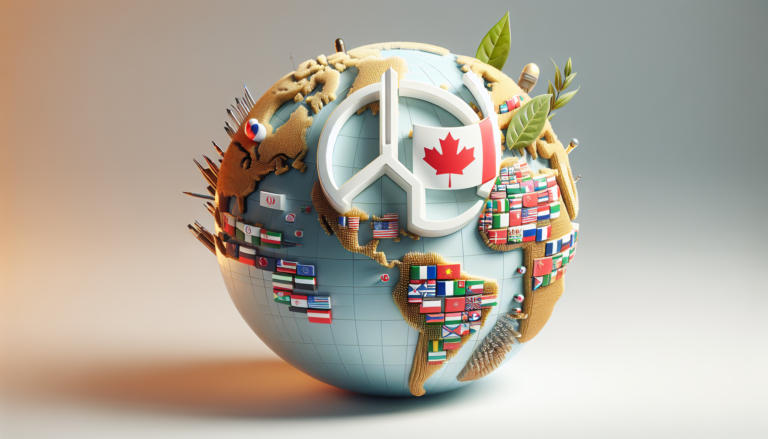
Canada is pushing for a collective G7 and Middle East approach to de-escalating the Iran war, including off ramps that could bring an end to the conflict, the Canadian foreign minister, Anita Anand, has said. In London to meet the…
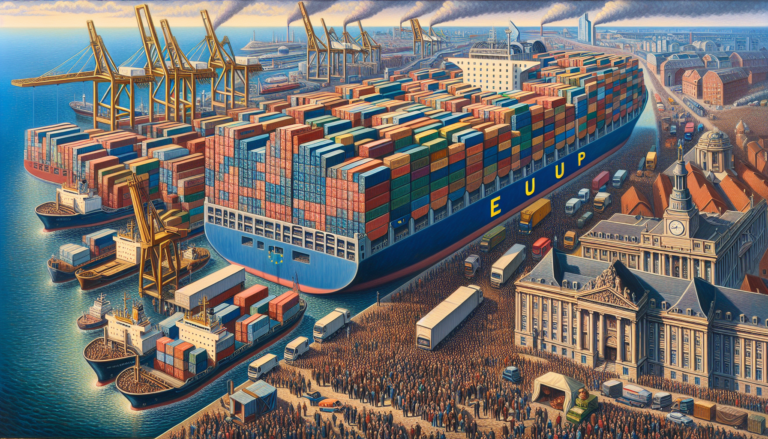
A new trade deal between the European Union (EU) and a group of South American countries has stirred up a heated debate across Europe. While some see it as a chance to boost trade and lower prices, others worry about its impact on local farmers, food standards, and jobs. As the discussions heat up, many Europeans are left wondering how this deal will affect their daily lives.
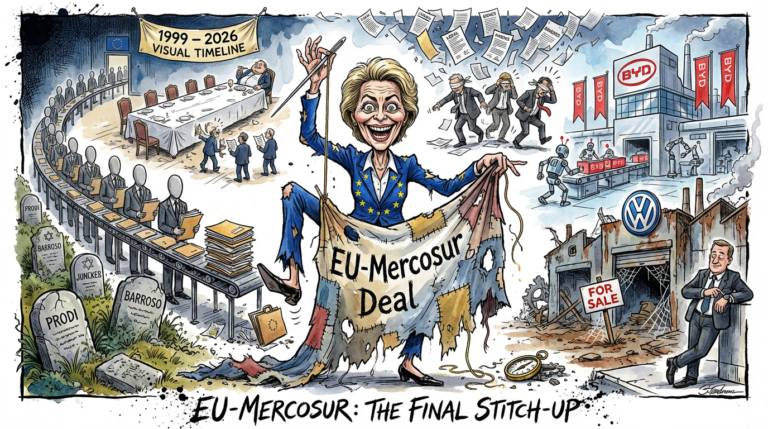
Twenty-five years. A quarter of a century of summits, negotiating rounds, political crises, agricultural riots, and constitutional wrangling — and what does the European Union have to show for it? A trade deal with South America that, before a single tariff has been cut, is already drowning in legal challenge, political opposition, and strategic obsolescence. Welcome to the EU–Mercosur agreement: the most ambitious free trade deal Europe has ever built, and quite possibly the most pointless.

On January 3, 2026, in a military operation code-named "Absolute Resolve," the United States conducted a dramatic raid on Caracas, Venezuela, resulting in the forcible abduction of President Nicolás Maduro and his wife, Cilia Flores. The operation, involving 150 aircraft deployed from approximately 20 bases and conducted by U.S. special forces, marked the most aggressive military action of President Donald Trump's tenure.
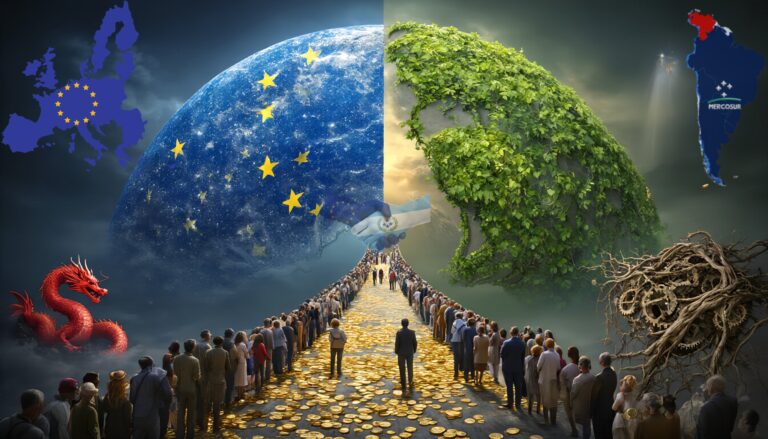
Without fundamental reforms that move it closer to this federal model, the European Union will remain at risk of missing strategic opportunities, reacting too slowly to geopolitical shifts, and ceding influence to more agile and decisive global rivals. The EU-Mercosur story should therefore be seen as a warning: in a world that does not wait, institutional paralysis is a direct threat to Europe's long-term prosperity and security.