






European Farmers Rally Against New Mercosur Trade Deal: What’s at Stake?
In the past few weeks, the EU – Mercosur trade deal has stirred up quite a storm across Europe. Farmers, politicians, and everyday citizens are all buzzing about what this agreement could mean for the continent. With concerns ranging from job security to food standards, the deal has become a hot topic. Here’s a breakdown of what’s happening and why it matters.
The Mercosur Trade Deal: What’s the Fuss?
The European Union has been negotiating a trade deal with several non-EU countries. This deal aims to lower tariffs and make it easier to import and export goods. Supporters say it will boost the economy and create jobs. However, not everyone is convinced.
Farmers are particularly worried. They fear that cheaper imports could flood the market, making it hard for them to compete. Many are concerned about the quality of these imports and whether they meet Europe’s high food standards. This has led to protests in several countries, with farmers taking to the streets to voice their concerns.

Why It Matters Now
This trade deal comes at a time when Europe is already facing economic challenges. Inflation is on the rise, and many people are struggling with the cost of living. Farmers argue that the deal could make things worse by driving down prices for locally produced goods. This could put many small farms out of business, leading to job losses and economic hardship in rural areas.
On the other hand, supporters of the deal argue that it will open up new markets for European products. They say this could lead to more jobs in industries like manufacturing and technology. However, critics worry that these benefits might not reach everyone, especially those in the farming sector.
Who’s For and Against?
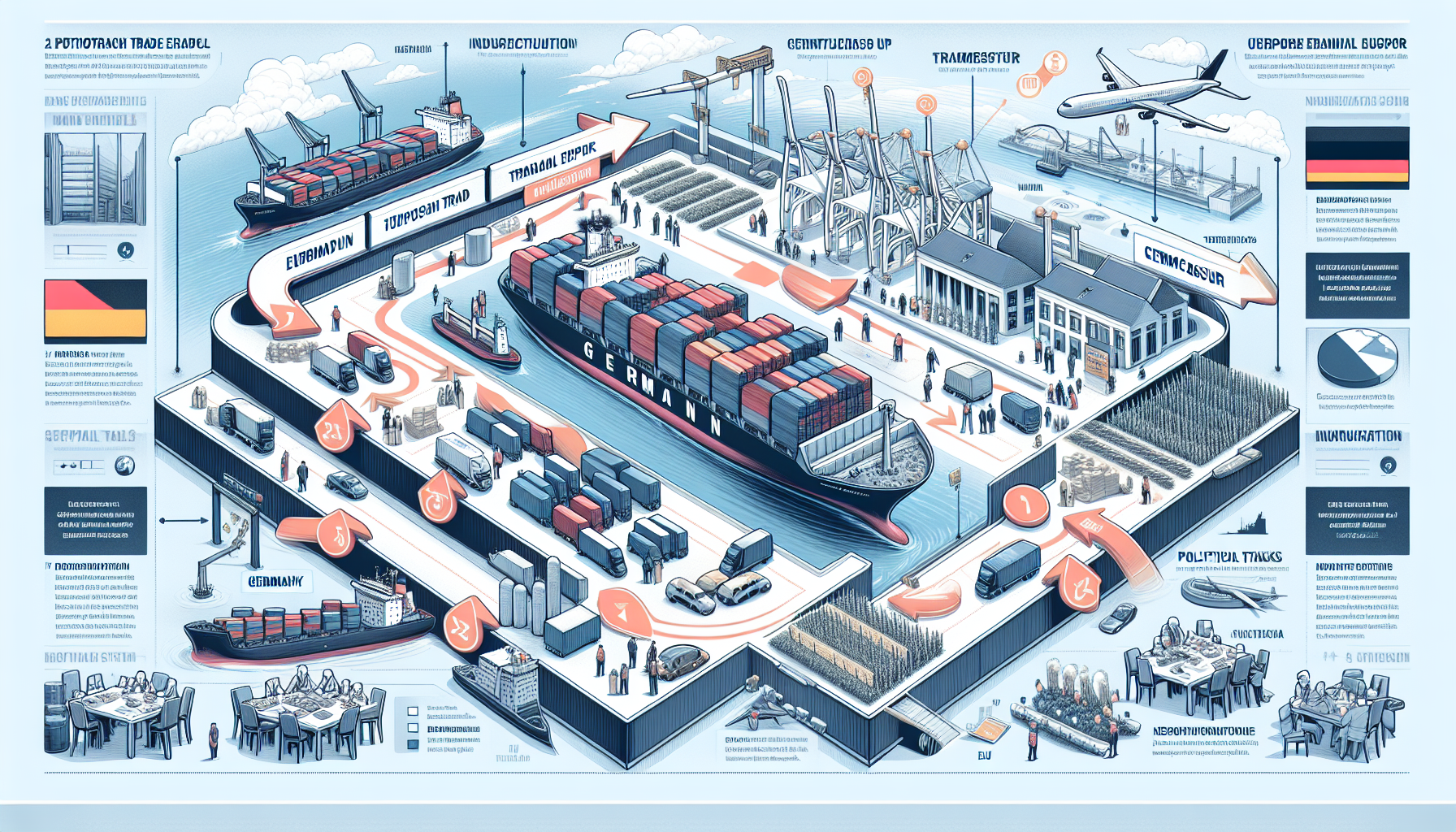
The trade deal has its share of supporters and opponents. Many business leaders and politicians back the agreement, arguing that it will help Europe stay competitive in a global market. They believe that by reducing trade barriers, European companies can thrive and create more jobs.
However, farmers and consumer groups are not so sure. They worry about the impact on local agriculture and food standards. There’s also concern about environmental regulations and whether imported goods will meet Europe’s strict rules.
Impact on Ordinary People
For ordinary Europeans, the trade deal could have mixed effects. On one hand, it might lead to lower prices for some goods, which could be a relief for those struggling with high living costs. On the other hand, there’s a risk that local jobs, especially in farming, could be at risk.
Food quality is another major concern. Europe has some of the highest food standards in the world, and many people worry that these could be compromised. If cheaper, lower-quality imports flood the market, consumers might find it harder to access the high-quality products they’re used to.
Looking Ahead
As the debate over the trade deal continues, it’s clear that there are no easy answers. The agreement could bring economic benefits, but it also poses risks to jobs, food quality, and local industries. European leaders will need to carefully weigh these factors as they move forward.
For now, the future of the trade deal remains uncertain. Negotiations are ongoing, and it’s likely that we’ll see more protests and discussions in the coming weeks. Whatever happens, it’s crucial that the voices of farmers, consumers, and everyday citizens are heard in this debate.
Conclusion
In conclusion, the new trade deal presents both opportunities and challenges for Europe. While it could boost the economy and create jobs, it also raises concerns about food standards, local agriculture, and job security. As Europe navigates these complex issues, it’s important to keep the needs and concerns of ordinary people at the forefront. With so much at stake, the coming weeks will be crucial in determining the future of this controversial agreement.
