






Europe Grapples with New Mercosur Trade Deal: What It Means for Jobs, Farmers, and Food Standards
The Mercosur trade agreement is causing quite a stir across Europe. As leaders debate its potential benefits and drawbacks, ordinary Europeans are left wondering what it means for their jobs, local farmers, and the quality of food on their tables. This article breaks down the latest development, the political disagreements surrounding it, and its possible impact on everyday life.
The Latest Development
Recently, the European Union finalized a trade deal with a major global partner, aiming to boost economic growth and strengthen international ties. The agreement promises to reduce tariffs, making it easier for European companies to export goods and services. Supporters argue that this will create new jobs and lower prices for consumers.
However, not everyone is convinced. Critics worry that the deal could harm local industries, especially agriculture, by flooding the market with cheaper imports. They fear that this might lead to job losses and lower food standards, as foreign products may not meet Europe’s strict regulations.

Political Disagreement
The trade deal has sparked a heated debate among European politicians. On one side, proponents believe that the agreement will open up new markets for European businesses, leading to economic growth. They argue that increased competition will benefit consumers by driving down prices and improving product quality.
On the other side, opponents are concerned about the potential impact on local farmers and industries. They worry that the influx of cheaper foreign goods could put European producers out of business. There are also fears about the environmental impact, as the deal could lead to increased carbon emissions from transporting goods over long distances.
Impact on Jobs and Industry
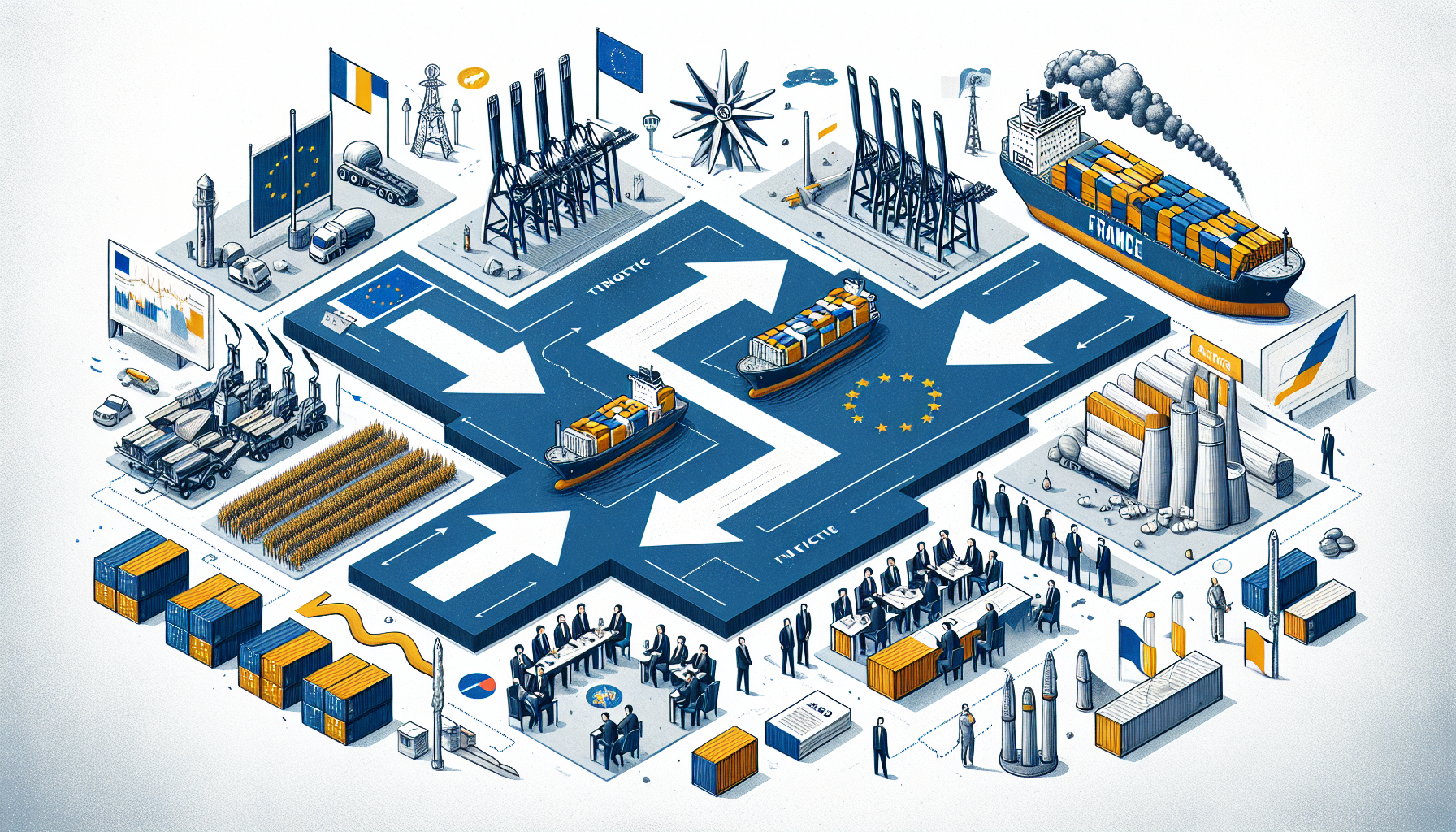
For many Europeans, the primary concern is how the trade deal will affect jobs. Supporters claim that the agreement will create new employment opportunities by expanding markets for European goods. They argue that this could lead to economic growth and increased prosperity across the continent.
However, critics warn that the deal could have the opposite effect. They point out that local industries, particularly agriculture, might struggle to compete with cheaper imports. This could lead to job losses, especially in rural areas where farming is a major source of employment.
Concerns About Food Standards
Food standards are another major concern for Europeans. The EU is known for its strict regulations on food safety and quality, and many worry that the trade deal could undermine these standards. Critics fear that foreign products may not meet the same rigorous requirements, potentially compromising food safety.
Supporters of the deal argue that it includes provisions to ensure that imported goods meet EU standards. They claim that increased competition will lead to better quality products for consumers. However, opponents remain skeptical, fearing that the pressure to cut costs could lead to a race to the bottom in terms of food safety and quality.
What It Means for Prices
One of the potential benefits of the trade deal is lower prices for consumers. By reducing tariffs, the agreement could make imported goods cheaper, saving Europeans money on everyday items. Supporters argue that this will increase purchasing power and improve living standards.
However, critics caution that the savings might come at a cost. They worry that the pressure to compete with cheaper imports could drive down wages and lead to job losses in certain industries. This could offset any potential savings for consumers, leaving them worse off in the long run.
Conclusion
The new trade deal presents both opportunities and challenges for Europe. While it promises economic growth and lower prices, there are legitimate concerns about its impact on local industries, jobs, and food standards. As the debate continues, it is crucial for European leaders to address these concerns and ensure that the agreement benefits all citizens. Balancing economic growth with the protection of local industries and maintaining high food standards will be key to making this trade deal a success for Europe.
