




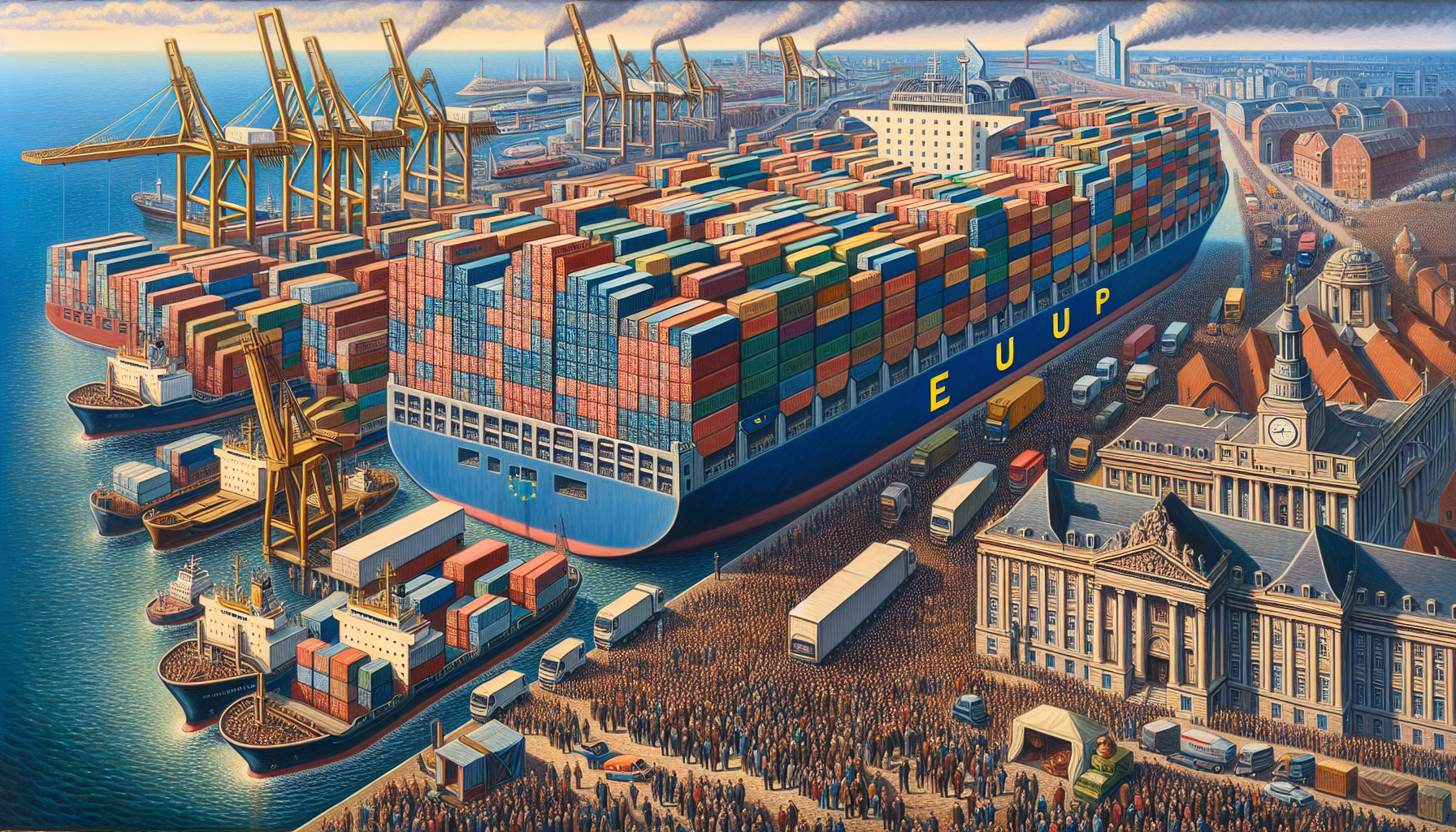

EU Trade Deal Sparks Debate: What It Means for Farmers and Consumers
A new trade deal between the European Union (EU) and a group of South American countries has stirred up a heated debate across Europe. While some see it as a chance to boost trade and lower prices, others worry about its impact on local farmers, food standards, and jobs. As the discussions heat up, many Europeans are left wondering how this deal will affect their daily lives.
What’s Happening?
The trade agreement, known as the EU-Mercosur deal, involves the EU and four South American countries: Brazil, Argentina, Paraguay, and Uruguay. It aims to reduce tariffs on goods, making it cheaper for European consumers to buy South American products like beef, soy, and sugar. The deal has been in the works for over two decades, but it has recently gained traction, with both sides eager to finalize it.
Supporters of the deal argue that it will open new markets for European businesses and create jobs. They believe that lowering tariffs will lead to lower prices for consumers, making everyday goods more affordable. However, opponents are raising red flags about the potential downsides.
The Main Concerns
One of the biggest worries is how this deal will affect European farmers. Many fear that cheaper imports from South America will flood the market, making it harder for local farmers to compete. This could lead to job losses in the agricultural sector, which is already feeling the strain from rising costs and changing consumer preferences.
Farmers across Europe are particularly concerned about the standards of food coming from South America. The EU has strict regulations on food safety and environmental protection, but critics argue that these standards may not be upheld in the exporting countries. This raises questions about the quality of food that could enter European markets.
The Political Divide
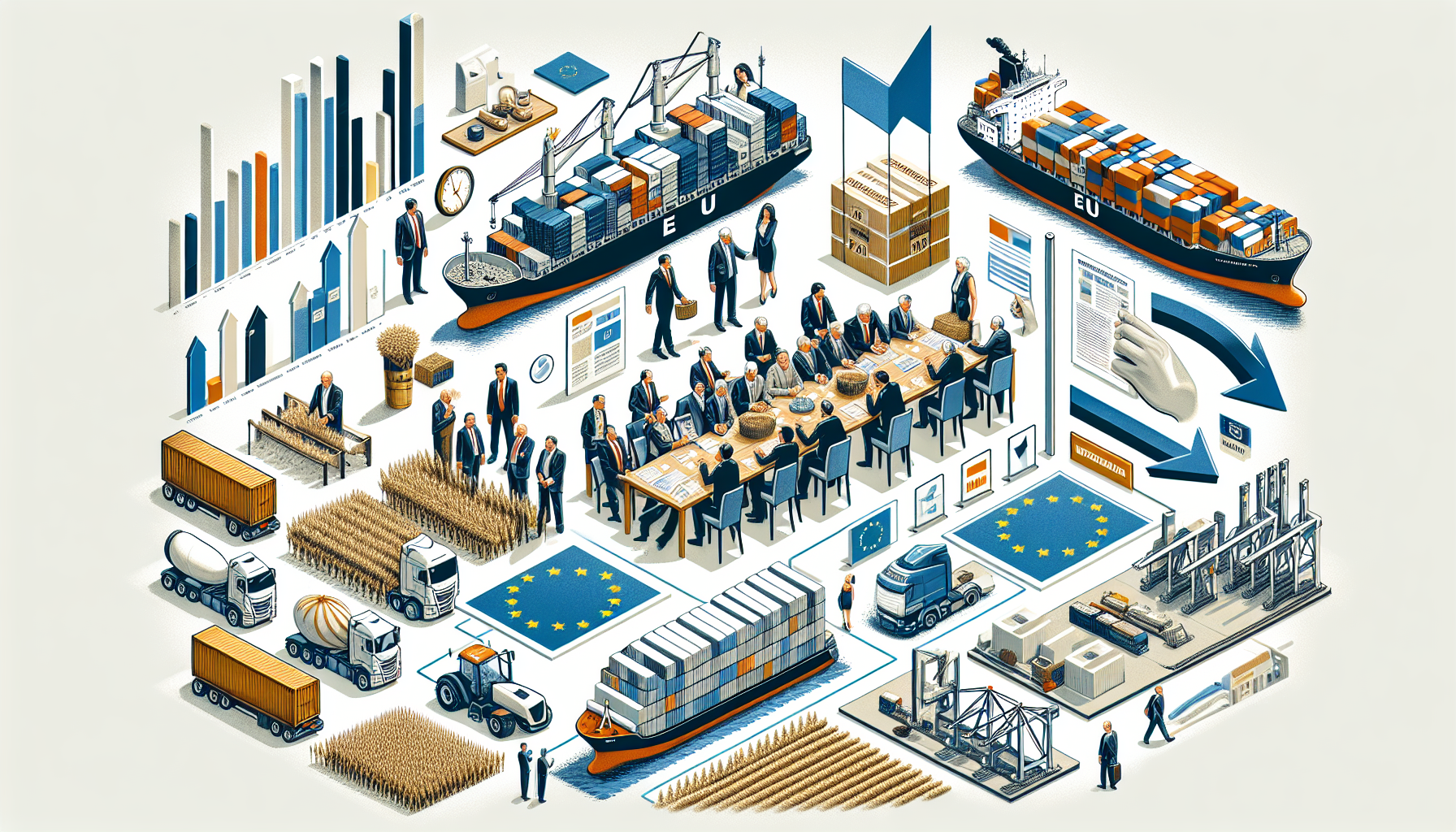
The trade deal has split European politicians. On one side, many business leaders and some government officials support the agreement, believing it will strengthen economic ties and boost growth. They argue that the deal is essential for keeping Europe competitive in a global market.
On the other side, environmentalists and many farmers’ unions are strongly opposed. They argue that the deal prioritizes profit over people and the planet. They fear that it will lead to deforestation in South America and undermine efforts to combat climate change. The opposition is not just limited to farmers; many consumers are worried about the potential impact on food quality and prices.
What It Means for Ordinary People
For everyday Europeans, this trade deal could mean lower prices on certain goods, but it also raises serious concerns. If local farmers struggle to compete, it could lead to fewer job opportunities in rural areas. Additionally, if food quality standards are compromised, consumers may find themselves facing lower-quality products on supermarket shelves.
The debate around this deal reflects a broader anxiety about globalization and its impact on local economies. Many people are feeling the pinch from rising prices and economic uncertainty, and they want to ensure that their jobs and livelihoods are protected.
A Balancing Act
As the EU moves forward with negotiations, it faces the challenge of balancing economic growth with the needs of its citizens. Policymakers must listen to the concerns of farmers and consumers while also recognizing the potential benefits of increased trade. Finding a middle ground will be crucial in ensuring that the deal works for everyone.
Conclusion
The EU-Mercosur trade deal is a complex issue that highlights the tensions between free trade and local interests. As discussions continue, it’s essential for European leaders to consider the voices of farmers, consumers, and environmental advocates. The outcome of this deal could have lasting effects on jobs, food quality, and prices across Europe. The stakes are high, and ordinary people are watching closely to see how it all unfolds.
