





Title: Europe Grapples with New Agricultural Policy Changes
Introduction
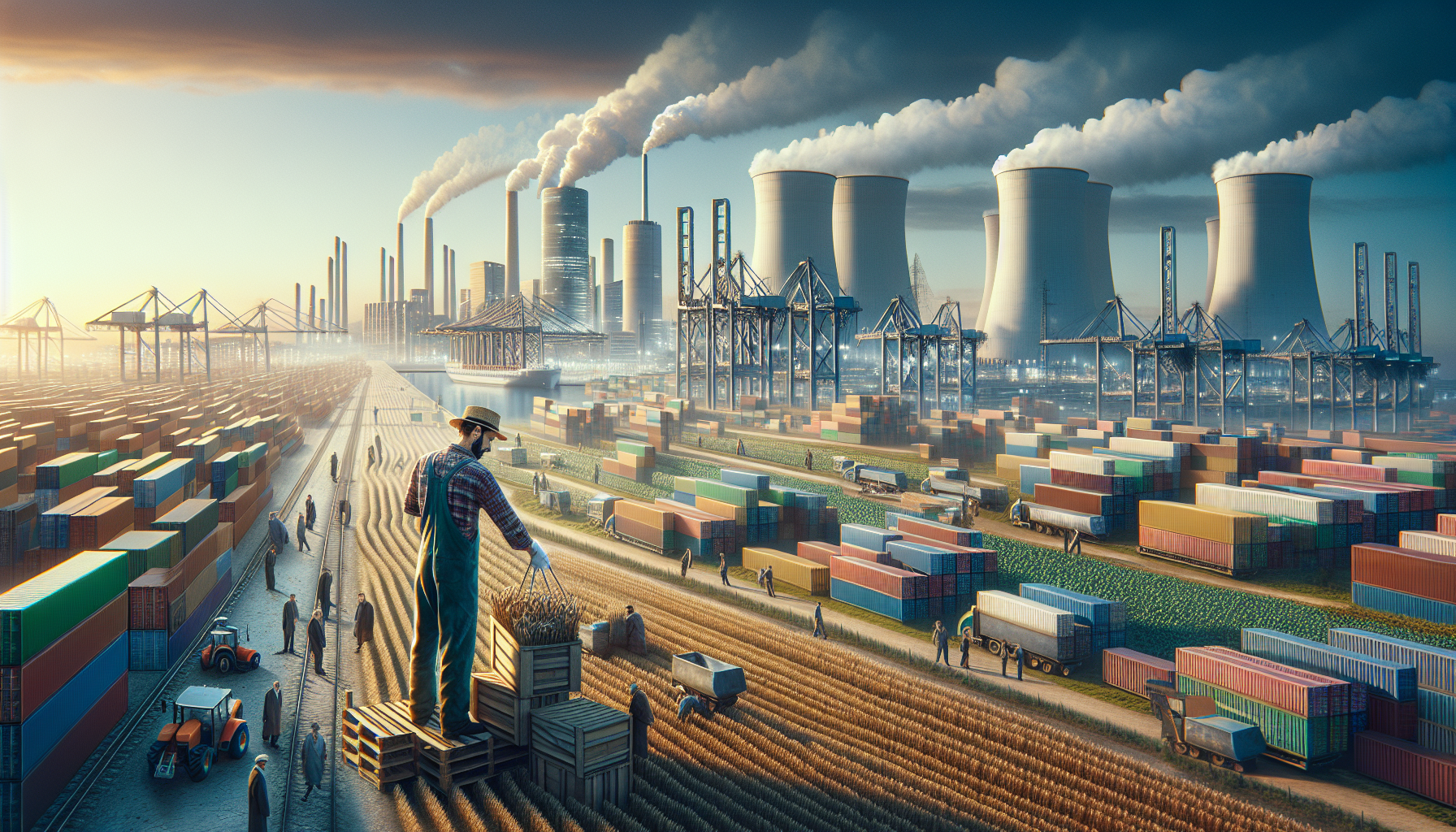
Europe is facing a big change in how it handles agriculture. The European Union (EU) has introduced new policies aimed at making farming more sustainable. This means farming in a way that is better for the environment. However, not everyone is happy about these changes. There is a heated debate about what this means for farmers, food prices, and the future of Europe’s agriculture.
Latest Developments
The EU recently rolled out its “Farm to Fork” strategy. This is part of the European Green Deal, which aims to make Europe the first climate-neutral continent by 2050. The strategy focuses on reducing the use of pesticides and fertilizers, cutting greenhouse gas emissions, and promoting organic farming. The goal is to create a healthier food system that is also kinder to the planet.
However, these changes are not without controversy. Farmers are worried about how these new rules will affect their livelihoods. Many argue that reducing pesticide use could lead to lower crop yields, which means they might grow less food. This could impact their income and also lead to higher food prices for consumers.
Political Disagreements
Politicians across Europe are divided on this issue. Some believe that these changes are necessary to protect the environment and ensure a sustainable future. They argue that the long-term benefits, such as cleaner air and water, are worth the short-term challenges.
On the other side, some politicians are concerned about the immediate impact on farmers and the economy. They worry that stricter regulations could hurt small farms the most, as they might not have the resources to adapt quickly. There is also fear that this could lead to job losses in rural areas where agriculture is a major employer.
Impact on Europe
For Europe, these changes could have a wide-ranging impact. If farmers struggle to meet the new standards, it could lead to a decrease in food production. This might result in higher food prices, affecting everyone from families to restaurants.
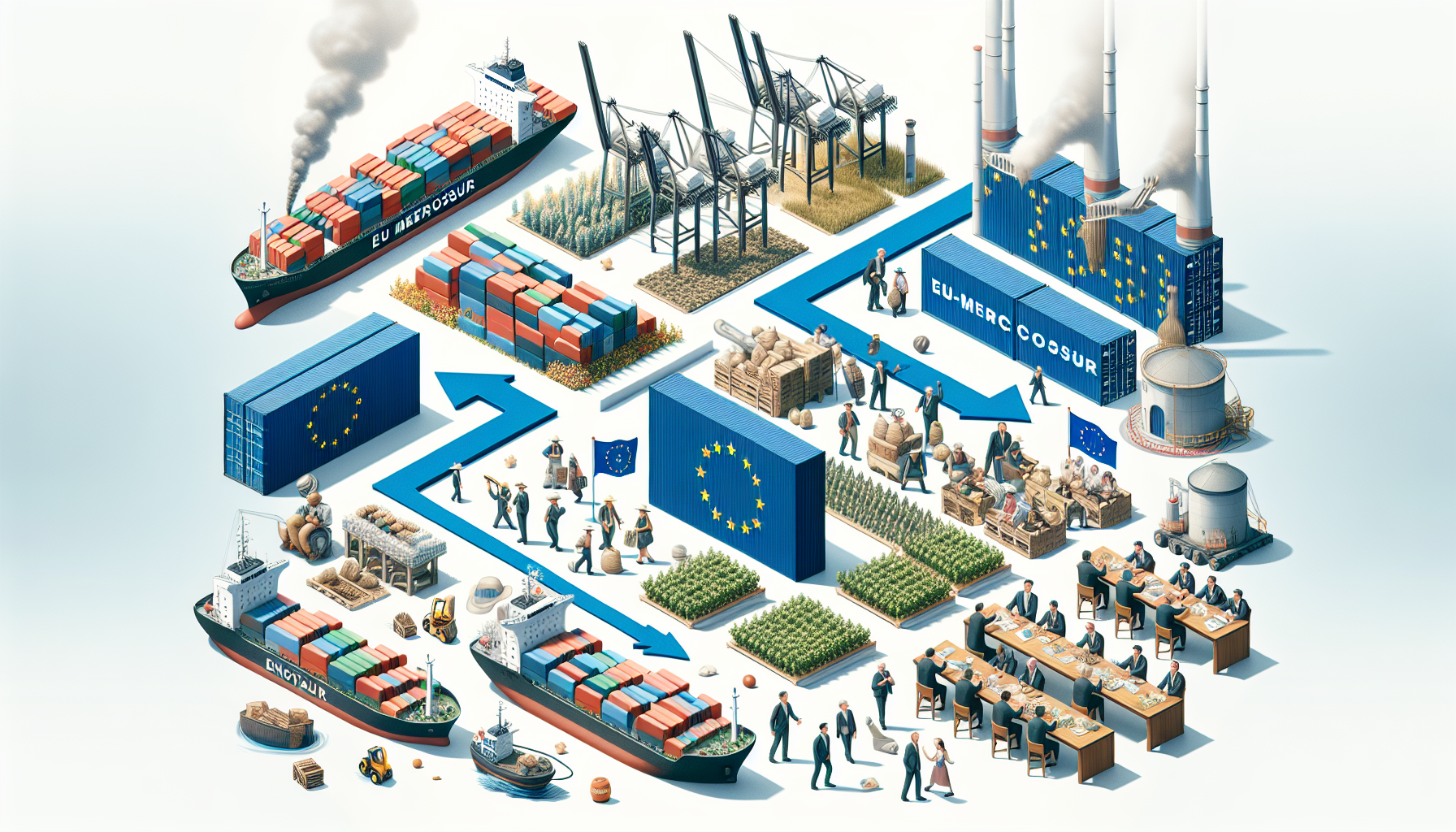
Moreover, the new policies could change how Europe trades with the rest of the world. European farmers might face tougher competition from countries with less strict regulations. This could make it harder for European products to compete on the global market.
On the positive side, supporters of the new strategy argue that it could lead to innovation in farming. There could be new opportunities for businesses that develop eco-friendly farming technologies. This might create new jobs and industries focused on sustainable agriculture.
Concerns of European People
Many Europeans are concerned about what these changes mean for their daily lives. For farmers, the worry is about maintaining their livelihoods. They fear that the cost of adapting to new regulations could be too high. Some are also concerned about losing their farms if they cannot comply with the new standards.
Consumers are worried about rising food prices. If farmers produce less food, prices could go up. This is a concern for many families, especially those already struggling with the cost of living.
There are also concerns about food standards. Some people worry that reducing pesticide use could lead to more pests and lower quality produce. However, supporters of the new policies argue that organic farming can produce high-quality food without harmful chemicals.
Conclusion
Europe is at a crossroads with its new agricultural policies. The goal is to create a more sustainable and environmentally-friendly farming system. However, the path forward is not without challenges. Farmers, consumers, and politicians are all grappling with the potential impacts.
The coming months will be crucial in determining how these changes unfold. The EU will need to find a balance between protecting the environment and supporting its farmers. This is a complex issue with no easy answers, but it is clear that the future of Europe’s agriculture is changing.
