



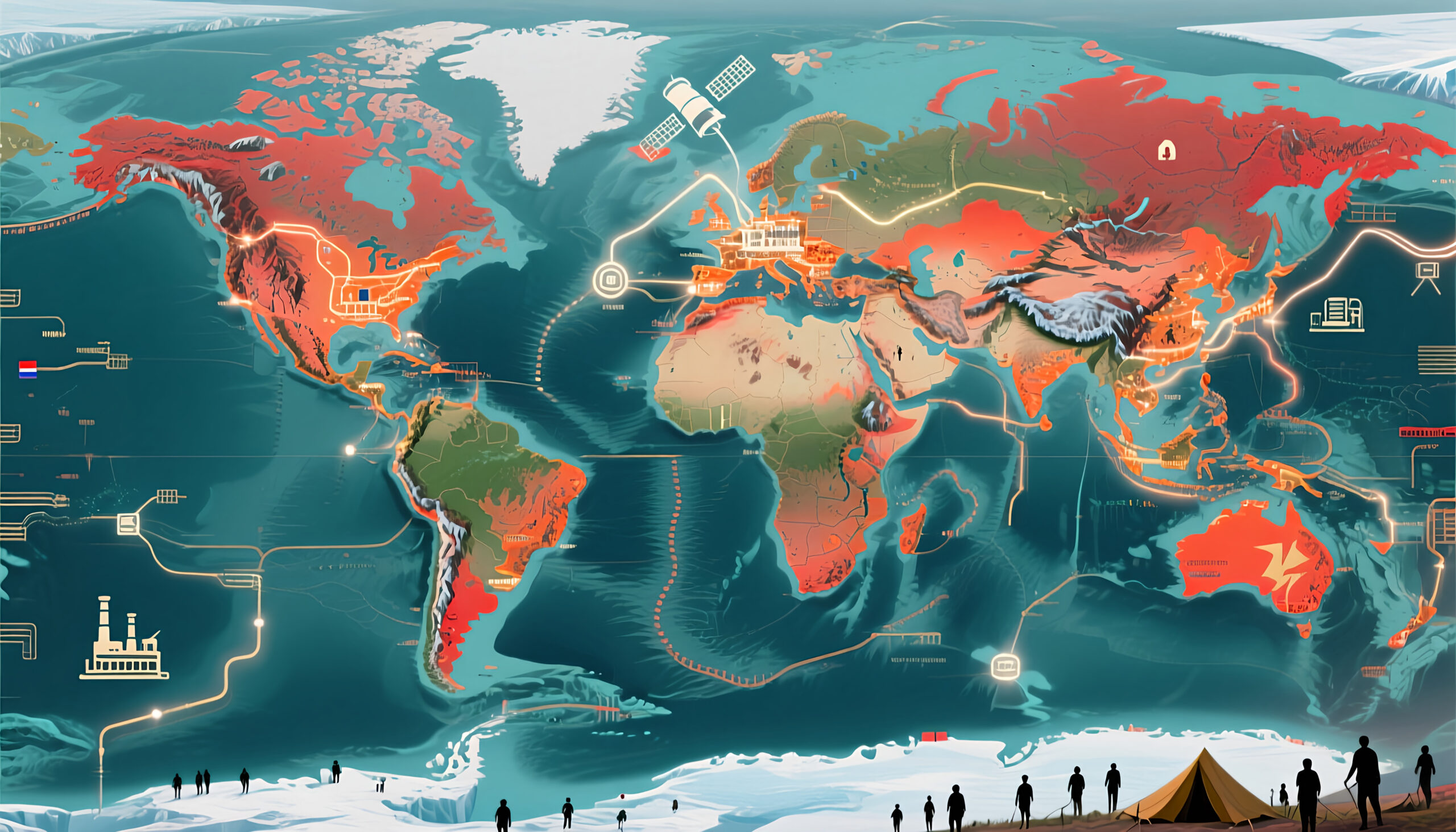
Geopolitics is the study of how geography shapes power, politics, and international relations. It looks at how factors such as location, borders, resources, climate, and physical terrain influence the behaviour, interests, and strategies of states and other global actors. Rather than seeing politics as abstract or purely ideological, geopolitics ties decisions and conflicts to concrete realities: oceans and trade routes, mountains and chokepoints, fertile regions and energy reserves.
At its core, geopolitics examines how states seek to secure their survival, increase their influence, and protect access to vital resources such as food, water, and energy. Control of strategic areas—like sea lanes, straits, major rivers, and borderlands—often becomes central to foreign policy. These interests shape alliances, rivalries, and military deployments, as well as economic projects such as pipelines, ports, and infrastructure corridors. Historical empires and contemporary great powers alike have used geography to justify expansion, containment, or spheres of influence.
Modern geopolitics also considers non-state actors and global systems. Multinational corporations, international organisations, and transnational movements operate across borders, affecting how states wield power and respond to global challenges. Issues such as climate change, migration, pandemics, and cyber security add new layers, because they cross territorial boundaries yet still interact with physical geography. Melting Arctic ice, for example, opens new shipping routes and resource frontiers, reshaping strategic calculations.
Ideology and identity remain important, but geopolitics insists they cannot be understood apart from place. National narratives, security doctrines, and regional projects are often rooted in particular landscapes and historical experiences of invasion, isolation, or dependence. By analysing maps alongside political decisions, geopolitics helps explain why some regions become flashpoints, why certain alliances form, and why conflicts persist even when diplomatic solutions appear possible. Ultimately, geopolitics offers a framework for understanding how the physical structure of the Earth continues to shape human power, competition, cooperation, and the possibilities for peace.

Sub-Categories
The Sunni Axis: Mecca as the Third Pole
The Mecca Joint Defense Agreement has created a third pole in Middle East geopolitics —…
The Ally America Can’t Afford — And Can’t Afford to Lose
Trump cancelled the Ulchi Freedom Shield exercises one day before they were set to begin….
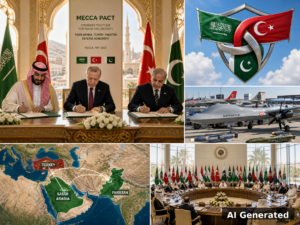
The Mecca Pact: A Tectonic Shift in Middle East Security
On August 7, 2026, Saudi Arabia, Turkey, and Pakistan signed the Mecca Joint Defense Agreement…
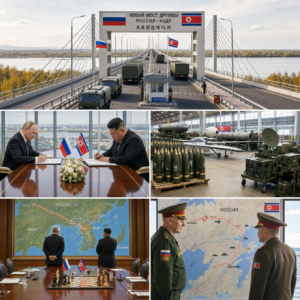
The $100 Million Bridge to a $34 Million Trade
You’ve been told North Korea is isolated — frozen by sanctions, waiting to collapse. That…
Europe’s AI Gap: The €200 Billion Illusion and the Brain Drain Nobody’s Fixing
Europe’s €200 billion AI plan sounds impressive — until you look at the numbers. The…
America Has Not Been Told the Truth About Iran
The US told you Iran’s military was destroyed, the Strait of Hormuz was under control,…
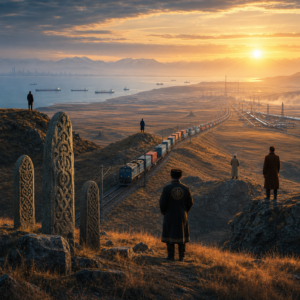
Five Countries, Five Dreams — And a Bloc Nobody Saw Coming.
Five Turkic nations — Turkey, Azerbaijan, Kazakhstan, Uzbekistan, and Kyrgyzstan — are quietly assembling one…
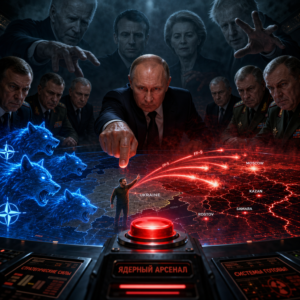
The Weapons That Won’t Save Peace: How Ukraine’s Deep-Strike Missiles Are Tightening the Nuclear Noose.
Ukraine is developing long-range ballistic missiles – including the FP-9 capable of reaching Moscow –…

Can Britain Lead Europe When It Can Barely Lead Itself?
The Council on Geostrategy urges Britain to assume primary responsibility for Euro-Atlantic deterrence as the…

Britain Left. But Did It Ever Really Arrive Anywhere Else?
Ten years after the Brexit referendum, Britain’s promised sovereignty has yielded constraint, not control. Economic…
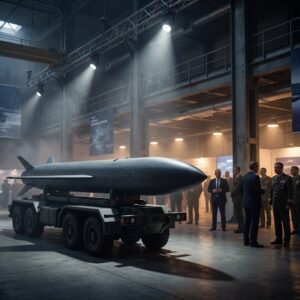
Europe’s New Missiles: Strategic Autonomy or Strategic Theater?
You are being told that Europe has finally built its own missile. A missile that…
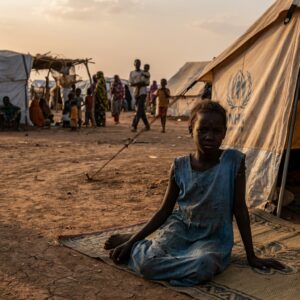
The World’s Forgotten Children: Why Sudan Deserves More Than Our Silence
She is seven years old. She does not remember what her home looked like before…