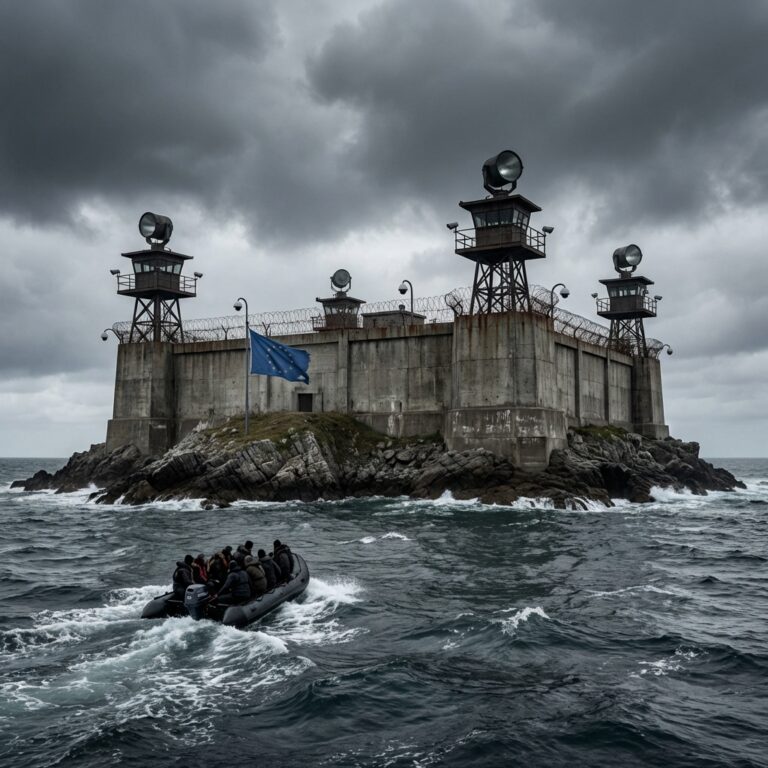


Greece’s Tempi Rail Disaster: 57 Dead, €18.3 Million Stolen, Zero Ministers Prosecuted.

Greece’s Tempi Rail Disaster: 57 Dead, €18.3 Million Stolen, Zero Ministers Prosecuted. Content is coming soon

Publicness is the condition of being open, visible, and shared in a social space. It involves dialogue, accountability, and collective presence. Publicness invites individuals to participate in shaping meaning, norms, and community life—where private thought becomes social responsibility and ideas are expressed with the intent to connect. κοινωνία (koinonía) is a Greek term meaning fellowship, participation, or communion. Rooted in κοινός (common), it signifies the deep relational bonds that form when people share in purpose, values, or experience. It transcends transaction—implying spiritual, social, or civic unity through mutual contribution, understanding, and belonging in a shared human space

Greece’s Tempi Rail Disaster: 57 Dead, €18.3 Million Stolen, Zero Ministers Prosecuted. Content is coming soon

OPEKEPE Scandal: Systemic EU Farm Subsidy Fraud Inflicts Nearly €3 Billion in Damage on Greek Public Finances. Content is coming soon

Novartis Greece Pharmaceutical Bribery Scandal: A €3 Billion Healthcare Corruption. Content is coming soon

Greece’s Lagarde List: Elite Tax Evasion and Failed Accountability During the Debt Crisis. Content is coming soon

Greek Ex‑Defense Minister Jailed in Submarine and TOR‑M1 Bribery Scandal Content is coming soon

Siemens Bribed Greek Officials for €35-40 Million to Win Telecom Contracts Content is coming soon

In the late 1980s, against a backdrop of roiling political turbulence, a financial scandal of staggering proportions erupted from the heart of Athens. Presided over by the Panhellenic Socialist Movement (PASOK) and its charismatic leader, Andreas Papandreou, this was an era where populist ambition often blurred the lines between state governance and party patronage. The Koskotas affair was not an anomaly; it was the system’s logical endpoint. To understand this scandal is not merely to revisit a historical event, but to perform an autopsy on a foundational case study in the architecture of systemic corruption that would plague Greece for decades.

Before the economic crisis of 2009, the Greek health system presented an interesting paradox. The World Health Organization (WHO) in its 2000 assessment ranked it as the 14th worldwide, surpassing countries with a high standard of living [2, 3]. However, this impressively strong position concealed deep structural failures, which were revealed forcefully when the debt crisis struck the country.

We have struggled to build a nation worthy of our children, a place of stability and connection. When the state and its institutions withdraw from our towns and villages, they treat our history and our efforts as burdens to be cut away in the name of efficiency. We must speak our “few words” of protest now, because stripping away our services is stripping away our right to live with dignity and to be respected.

Greece’s Post Office Crisis: A Clash Between Modernization and Social Obligation The Hellenic Post (ELTA) has become the center of one of Greece’s most contentious political controversies in late 2025, as the state-owned postal service announced the closure of 204…