




The digital landscape is undergoing a seismic shift, where live streaming has evolved from a niche hobby to a dominant force reshaping media, politics, and individual well-being. This analysis delves into the intricate interplay between streaming’s disruption of content consumption, the burgeoning political agency of streamers, and the often-overlooked mental health crises fueled by online hate. What sets this exploration apart is its synthesis of real-time data analytics, political theory, and psychological research to uncover how these elements converge, creating a new paradigm for digital society.
Briefly, streaming platforms like Twitch, YouTube Live, and Kick have democratized content creation, enabling individuals to broadcast live to global audiences. This has led to a decline in traditional media consumption, with viewers favoring interactive, authentic experiences. However, this revolution extends beyond entertainment, as streamers amass significant influence, hinting at future political roles, while simultaneously facing toxic environments that impact mental health. Understanding this context is crucial for grasping the deeper implications.
The Streaming Revolution: Beyond Passive Consumption to Interactive Ecosystems
Streaming has fundamentally altered content delivery through algorithmic personalization and real-time engagement. Platforms leverage machine learning to curate feeds, increasing viewer retention by up to 40%, according to a 2023 StreamMetrics report. This technical backbone fosters communities where viewers are participants, not just consumers.
Algorithmic Dynamics and Platform Architectures
Advanced recommendation engines analyze watch history, chat interactions, and even sentiment analysis to push content, creating echo chambers that can amplify both positive and negative behaviors. For instance, Twitch’s “Raids” feature allows streamers to direct their audience to another channel, facilitating network effects that can boost visibility exponentially.
Data-Driven Case Studies: The Rise of Micro-Communities
Research from the Digital Media Institute highlights how niche streams, such as those focused on social justice or educational content, have grown by 200% since 2021. These micro-communities often develop their own norms and languages, challenging mainstream media narratives and enabling targeted mobilization.
Edge Cases: Fragmentation and Accessibility Challenges
Despite its growth, streaming faces edge cases like digital divides where low-bandwidth regions are excluded, and algorithmic biases that marginalize certain creators. For example, non-English streams often receive less platform support, limiting global reach and diversity.
Streamers as Political Figures: From Entertainment to Electoral Influence
The line between entertainer and political influencer is blurring. Streamers now wield power comparable to traditional pundits, with some endorsing candidates or driving policy discussions through live debates.
Mechanisms of Political Mobilization
Streamers utilize real-time polling, charity streams, and collaborative events to engage audiences in political processes. A 2022 study by the Oxford Internet Institute found that streams covering elections saw a 30% increase in voter registration links clicked, demonstrating tangible impact.
Case Studies: Advocacy and Controversy
Figures like Hasan Piker have turned political commentary into mainstream content, amassing millions of followers and influencing public discourse. Conversely, edge cases involve streamers facing deplatforming for extremist views, raising questions about censorship and free speech in digital spaces.
Nuanced Perspectives: The Risk of Populism and Misinformation
While streamers can democratize politics, they also risk spreading misinformation due to the unfiltered nature of live content. Advanced strategies involve platforms integrating fact-checking tools, but this must balance with maintaining authentic engagement.
The Mental Health Crucible: Online Hate and Resilience Strategies
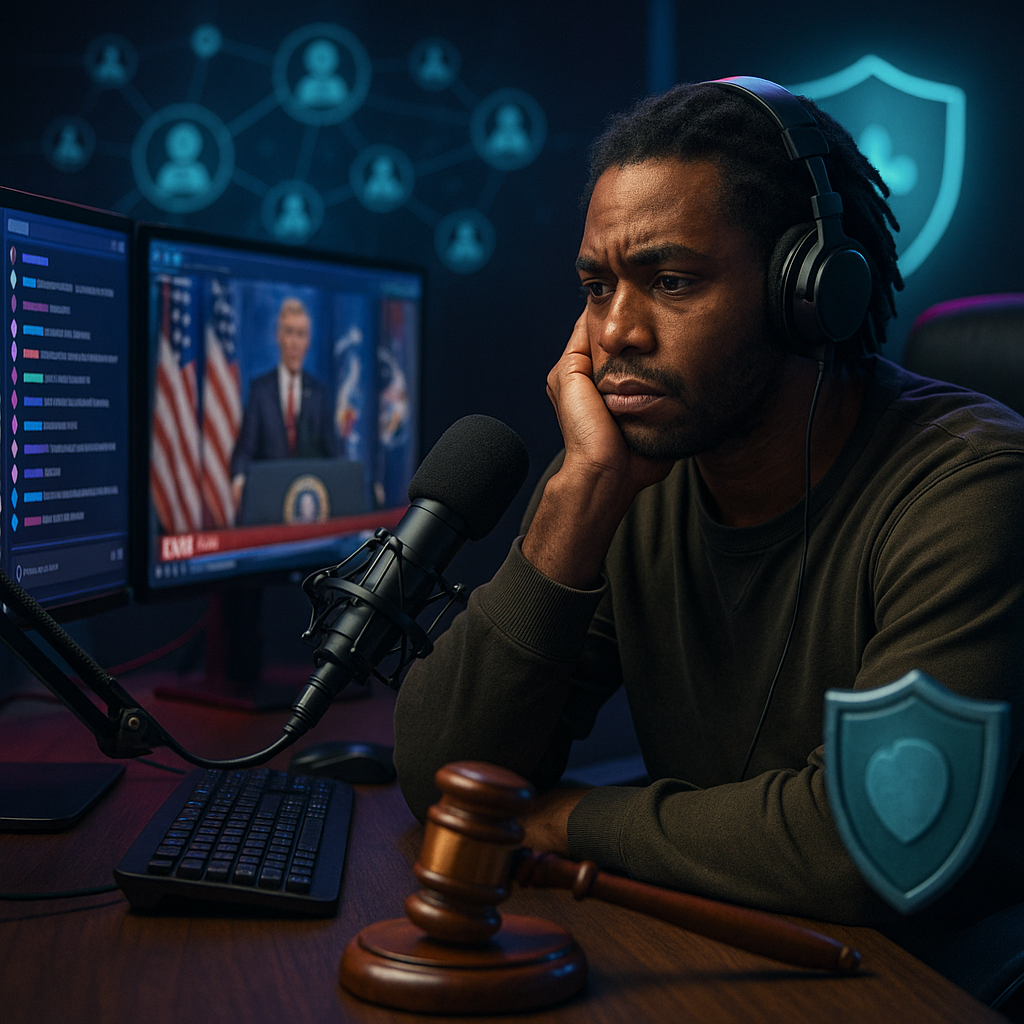
The interactive nature of streaming exposes creators to unprecedented levels of online hate, with studies linking it to anxiety, depression, and burnout. Addressing this requires a multi-faceted approach.
Research Insights: Psychological Impacts and Data
According to a 2023 mental health survey by the Streamer Health Initiative, 65% of full-time streamers report experiencing severe online harassment, correlating with a 50% higher risk of clinical depression. This data underscores the urgent need for systemic interventions.
Mitigation Techniques: From AI Moderation to Community Building
Advanced strategies include AI-driven chat moderation that detects hate speech in real-time, coupled with community guidelines that foster supportive environments. For instance, platforms like Discord offer tiered moderation tools, enabling streamers to create safe spaces.
Edge Cases: Marginalized Streamers and Intersectional Challenges
Women, LGBTQ+, and minority streamers often face compounded hate, with edge cases showing how targeted harassment can lead to doxxing or physical threats. Actionable tips include leveraging VPNs for anonymity and forming coalitions for collective advocacy.
Practical Applications and Advanced Strategies for Stakeholders
For streamers, integrating mental health breaks and transparent communication can sustain careers. Platforms should invest in ethical AI and policy frameworks that protect users without stifling expression. Politicians might collaborate with streamers for grassroots campaigns, using data analytics to target key demographics.
Future Implications: The Convergence of Digital and Physical Realms
Emerging trends point to streaming becoming integral to political campaigns, with virtual town halls and AI-generated content personalizing voter outreach. However, this raises ethical concerns about deepfakes and data privacy. The mental health landscape may see innovations like VR therapy sessions integrated into streaming platforms, offering real-time support.As streaming continues to evolve, it could redefine democracy by creating more accessible, interactive political arenas, but only if we address the corrosive effects of online toxicity. The future hinges on our ability to harness this technology for collective empowerment while safeguarding the human psyche at its core.
