




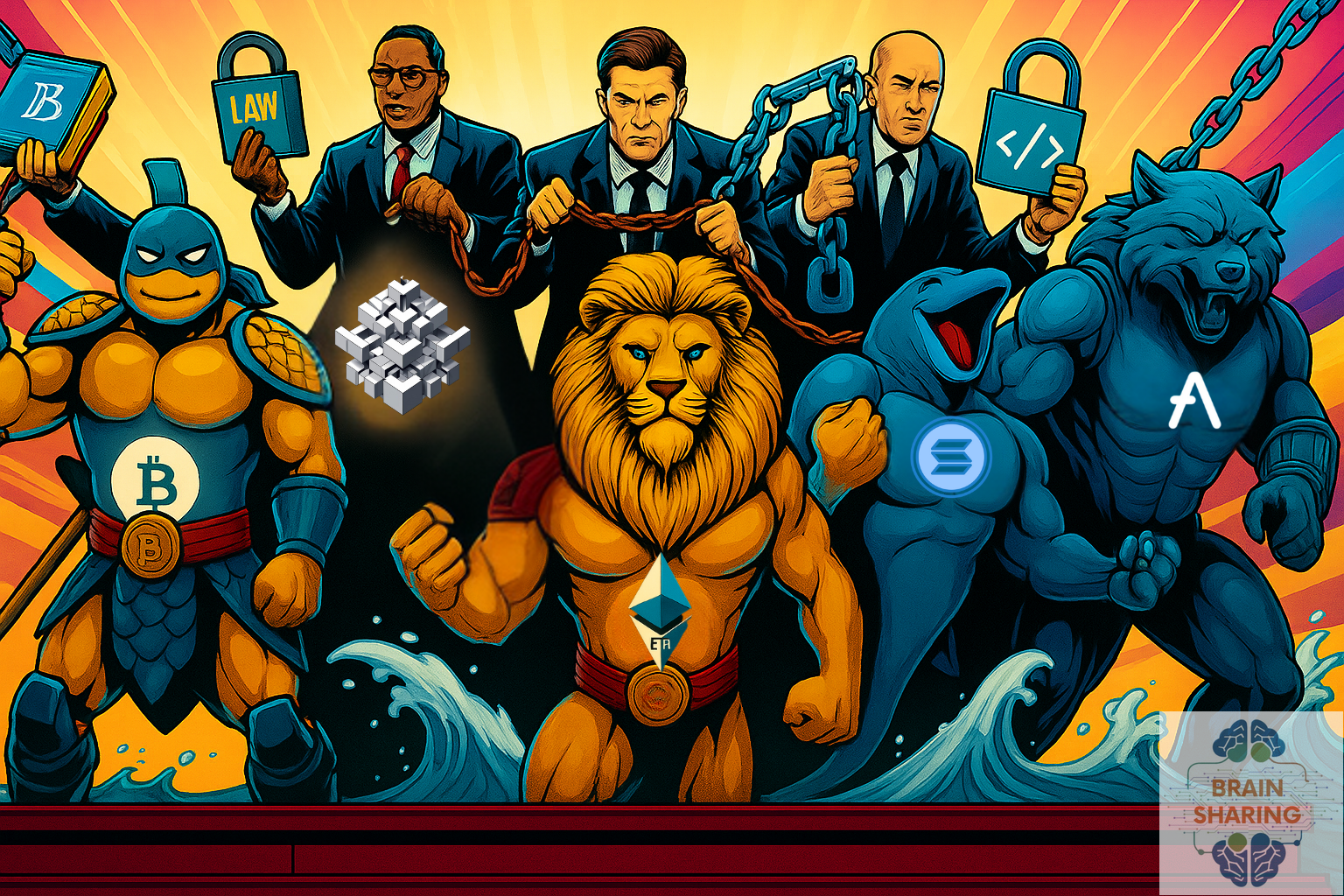

A round-up of t on government action, legal battles, and major moves shaping the future of digital assets worldwide.
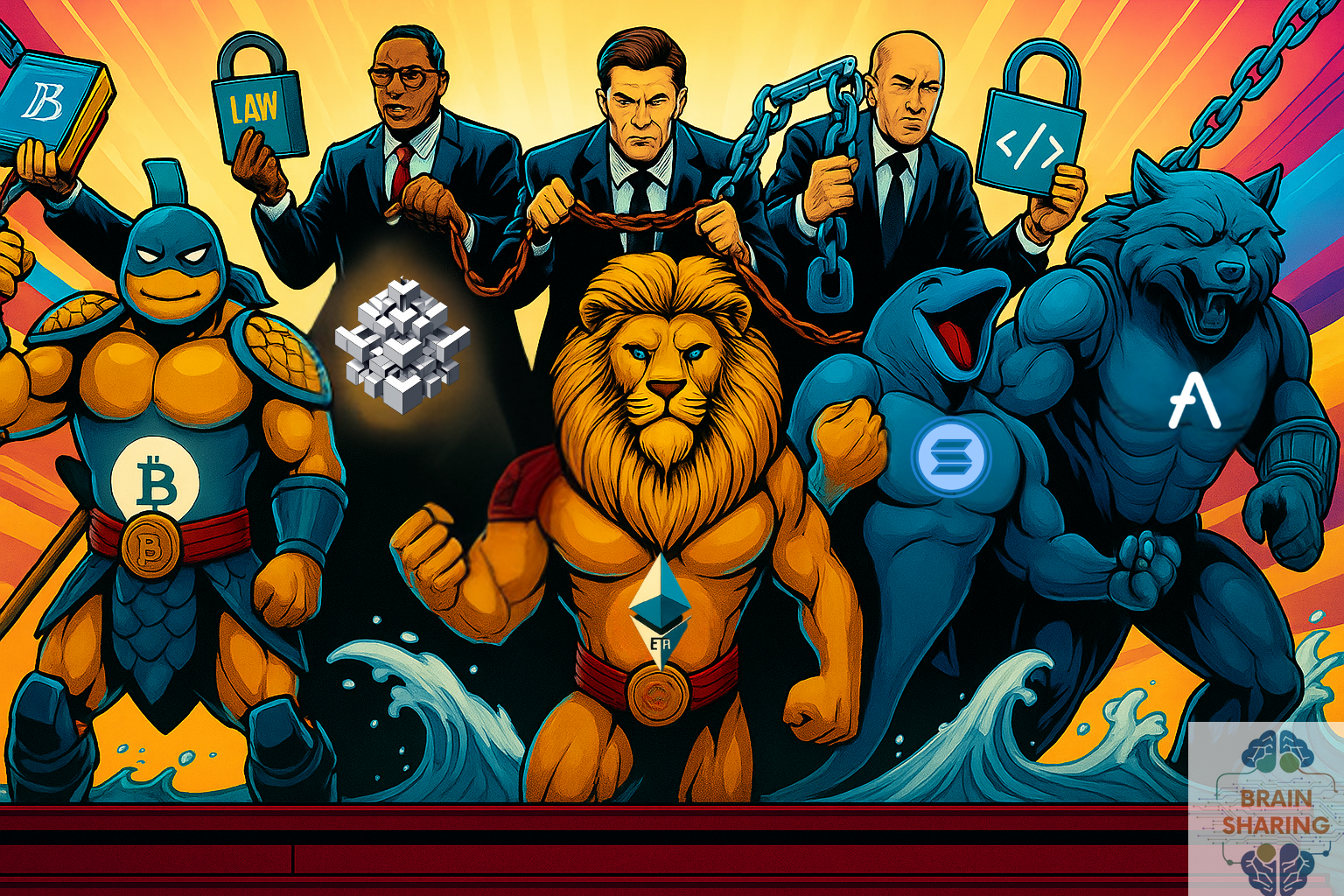
1. South Korea Gets New Crypto Regulation Framework Backed by President Lee
Source: Cryptocurrency encyclopedia | Cryptocurrency information | Cryptocurrency News
Date: Tue, 10 Jun 2025 08:20:56 +0200
Link: Read Article
Summary:
South Korea is introducing a major cryptocurrency regulation framework, led by President Lee Jae-myung and lawmaker Min Byeong-deok. The core proposal is the Digital Asset Basic Act, which will license stablecoin issuers and require minimum capital of 500 million Korean won. The goal is to create a trusted market for won-backed stablecoins, reducing dependence on foreign stablecoins like USDT and USDC. The bill also aims to define all digital assets legally and create a Digital Asset Committee under the presidency. These measures are designed to protect users, prevent insider trading, and attract developers. The regulations draw inspiration from the U.S., EU, Japan, and Hong Kong, signaling South Korea’s competitive ambitions. Private firms, such as Kakao-backed Kaia, are planning their own won-pegged stablecoins. Public optimism is high: more than half of South Koreans surveyed plan to increase crypto holdings. This move positions Korea as a leader in regulated digital asset markets.
2. Arizona Passes Law to Establish Bitcoin Reserve Fund
Source: Bitcoin News
Date: Fri, 09 May 2025 09:30:23 +0200
Link: Read Article
Summary:
Arizona has taken a pioneering step in U.S. crypto legislation by passing a law to create a state-managed Bitcoin Reserve Fund. The fund aims to hold Bitcoin as a reserve asset, with proponents arguing it will help diversify state finances and provide a hedge against inflation. Lawmakers supporting the bill believe Arizona can lead the way in crypto-friendly policies and attract tech investment. The law outlines how the state will acquire, store, and manage its Bitcoin holdings, setting requirements for transparency and accountability. Supporters see this as a way to strengthen Arizona’s economic security while preparing for the future of digital money. Critics express concerns about volatility and regulatory uncertainties, but the move is generally seen as a bold statement on the legitimacy of cryptocurrencies as part of government finance. Arizona’s initiative could inspire other states to consider similar crypto reserves as digital assets gain mainstream acceptance.
3. GENIUS Act: Leaders Slam Senate Over Regulatory Gridlock on Stablecoins
Source: Coingape
Date: Fri, 09 May 2025 10:06:49 +0200
Link: Read Article
Summary:
The GENIUS Act, designed to regulate stablecoins in the U.S., has stalled in the Senate, causing frustration among policymakers and crypto advocates. U.S. Treasury Secretary Scott Bessent and Senator Cynthia Lummis expressed disappointment, warning that failure to pass the bill may weaken America’s leadership in global financial innovation. The article highlights concerns that regulatory uncertainty could push digital asset development offshore and erode U.S. influence. Bessent and Lummis emphasize the need for a clear, unified federal framework to foster innovation and stability. XRP attorney John Deaton calls for bipartisan cooperation, criticizing the Senate’s gridlock after previous broad support for the Act. The article presents a mix of objective facts (legislative status, official reactions) and opinions (urgent need for leadership, criticism of partisanship). Overall, the stalled progress is seen as a threat to the U.S.’s competitiveness in the digital economy, while lawmakers urge renewed efforts to pass the GENIUS Act.
4. German Authorities Seize eXch Crypto Platform Over Money Laundering Ties
Source: Cryptocurrency encyclopedia | Cryptocurrency information | Cryptocurrency News
Date: Fri, 09 May 2025 11:05:59 +0200
Link: Read Article
Summary:
German authorities have shut down and seized the eXch crypto platform in a coordinated law enforcement operation targeting money laundering and illegal financial activity. The action follows months of investigation into eXch’s alleged role in facilitating illicit transactions and operating without proper regulatory oversight. Law enforcement agencies have confiscated company assets, frozen accounts, and launched criminal proceedings against key operators. This crackdown is part of Germany’s wider push to tighten crypto regulation, enhance anti-money laundering controls, and ensure market integrity. Authorities warn that platforms operating in regulatory grey areas face increasing scrutiny, and users could be affected by lost funds or disruptions. The move is expected to encourage greater compliance across the German crypto sector and sends a strong signal to international markets about the risks of ignoring regulation. The outcome may serve as a precedent for further enforcement actions across Europe’s evolving digital asset landscape.
5. EU to Track All Crypto Transactions Under New AML Push, Warns Eurogroup President
Source: Cryptocurrency encyclopedia | Cryptocurrency information | Cryptocurrency News
Date: Fri, 09 May 2025 11:22:51 +0200
Link: Read Article
Summary:
The European Union is introducing tough new anti-money laundering (AML) regulations requiring all crypto transactions to be tracked, regardless of size. The move, highlighted by the Eurogroup President, aims to align crypto markets with traditional financial transparency standards. The new law obligates exchanges and wallet providers to implement strict KYC (Know Your Customer) checks and report suspicious activities, including transactions previously considered too small to monitor. Authorities argue that such measures are vital to preventing illicit finance, terrorist funding, and tax evasion. Critics warn that excessive surveillance could harm privacy, increase compliance costs, and drive users to unregulated platforms outside the EU. The article describes industry reactions and ongoing debates about how best to balance innovation with financial security. The EU’s AML initiative is expected to set a global benchmark and may influence similar regulations in other countries, fundamentally reshaping how digital assets are traded in Europe.
6. Robinhood, Revolut, ECB: Why Europe is Becoming TradFi’s Favorite Crypto Playground
Source: News
Date: Fri, 09 May 2025 09:43:48 +0200
Link: Read Article
Summary:
Europe is rapidly emerging as a hub for traditional financial institutions (TradFi) entering the crypto market. This article explores how major fintech players like Robinhood and Revolut, alongside the European Central Bank (ECB), are embracing digital assets, driven by clear regulatory frameworks and growing consumer interest. Companies are expanding crypto services and partnering with banks to offer integrated products, such as crypto trading and custody. The ECB’s engagement and MiCA regulation (Markets in Crypto Assets) are credited for creating a predictable environment that attracts TradFi players and institutional investors. The article highlights increased investment in European crypto infrastructure, innovation in payment solutions, and rising user adoption rates. Challenges remain, including compliance demands and competition among providers, but overall sentiment is optimistic. Europe’s combination of regulatory clarity and market appetite is positioning it as a favorite destination for both fintech upstarts and legacy financial giants seeking growth in crypto.
7. Russian ruble stablecoin: Exec lists 7 ‘Tether replica’ features
Source: Cointelegraph.com News
Date: Tue, 29 Apr 2025 08:53:19 +0200
Link: Read Article
Summary:
At the Blockchain Forum in Moscow, Sergey Mendeleev outlined seven features necessary for a Russian ruble-backed stablecoin modeled after Tether (USDT). These features include untraceable transactions, non-KYC transfers, regulatory compliance, overcollateralization (like Dai), high liquidity on exchanges, interest-earning capabilities via smart contracts, and contracts resistant to blocking or freezing. Mendeleev stressed that such a stablecoin must be trusted and competitive with established players. However, he warned of the current trend toward more centralization in Russian regulation, which could stifle innovation and limit user freedom. The Ministry of Finance reportedly supports the development of ruble-based stablecoins, while the Bank of Russia plans to launch a digital ruble for commercial banks by late 2025. The article concludes that technical feasibility is not the main obstacle; instead, regulatory clarity, user trust, and a balance between control and openness will determine the success of a Russian ruble stablecoin.
8. U.S. plans to build Bitcoin Reserve without taxpayer funds – Bo Hines explains
Source: AMBCrypto
Date: Wed, 19 Mar 2025 18:00:08 +0100
Link: Read Article
Summary:
U.S. Congressman Bo Hines has proposed establishing a national Bitcoin Reserve funded through voluntary means rather than taxpayer dollars. The initiative is pitched as a forward-looking approach to diversify the country’s asset holdings and bolster economic resilience. Hines suggests that Bitcoin acquired via private donations or public-private partnerships could be managed as a state asset, insulating the reserve from political and fiscal volatility. The article discusses potential methods for securely acquiring, storing, and auditing the Bitcoin, as well as the legal frameworks required. Supporters argue this move will enhance U.S. leadership in digital assets and signal long-term faith in crypto. Critics raise questions about volatility, the need for clear oversight, and whether such a reserve could conflict with monetary policy. The concept remains in early discussion, but it reflects growing acceptance of Bitcoin at governmental levels and the search for innovative approaches to public finance.
9. Congress on track for stablecoin, market structure bills by August: Blockchain Association
Source: Cointelegraph.com News
Date: Wed, 19 Mar 2025 19:44:28 +0100
Link: Read Article
Summary:
According to the Blockchain Association, the U.S. Congress is making significant progress on comprehensive crypto legislation, with bills addressing stablecoins and market structure expected by August. The article details ongoing negotiations among lawmakers, regulators, and industry stakeholders to establish clear guidelines for the issuance, custody, and trading of digital assets. Supporters believe these bills will provide long-awaited clarity, foster innovation, and strengthen consumer protections. The article outlines major legislative points: defining digital asset categories, regulating stablecoin reserves, and setting standards for crypto exchanges and custodians. Bipartisan momentum is cited as a reason for optimism, with the crypto industry eager for uniform rules to replace the current patchwork of state and federal regulations. Challenges remain, such as balancing innovation with oversight and resolving disagreements over regulatory jurisdiction. Nevertheless, the Blockchain Association’s forecast signals a new era of legal certainty for U.S. digital asset markets.
10. Thailand’s SEC Just Approved USDT & USDC, Alongside Bitcoin & Ethereum as Approved Tokens!
Source: Cryptocurrency encyclopedia | Cryptocurrency information | Cryptocurrency News
Date: Mon, 10 Mar 2025 17:01:04 +0100
Link: Read Article
Summary:
Thailand’s Securities and Exchange Commission (SEC) has approved the use of USDT and USDC stablecoins, as well as Bitcoin and Ethereum, for regulated trading and investment activities in the country. This decision marks a major milestone for the Thai crypto market, providing legal certainty for traders, investors, and businesses dealing in digital assets. The article explains how the SEC’s approval is expected to attract institutional players, increase liquidity, and support innovation in Thailand’s growing fintech sector. Market participants welcome the move, citing enhanced user protection and expanded product offerings. The article also discusses new compliance requirements for exchanges, wallet providers, and other service providers handling these approved tokens. Thailand’s action positions it as a regional leader in digital asset regulation, offering a model for neighboring countries. With the crypto market in Thailand set to expand further, the SEC’s endorsement is seen as a catalyst for wider adoption and responsible growth.
