





Europe Grapples with New Agricultural Policies: What It Means for Farmers and Consumers

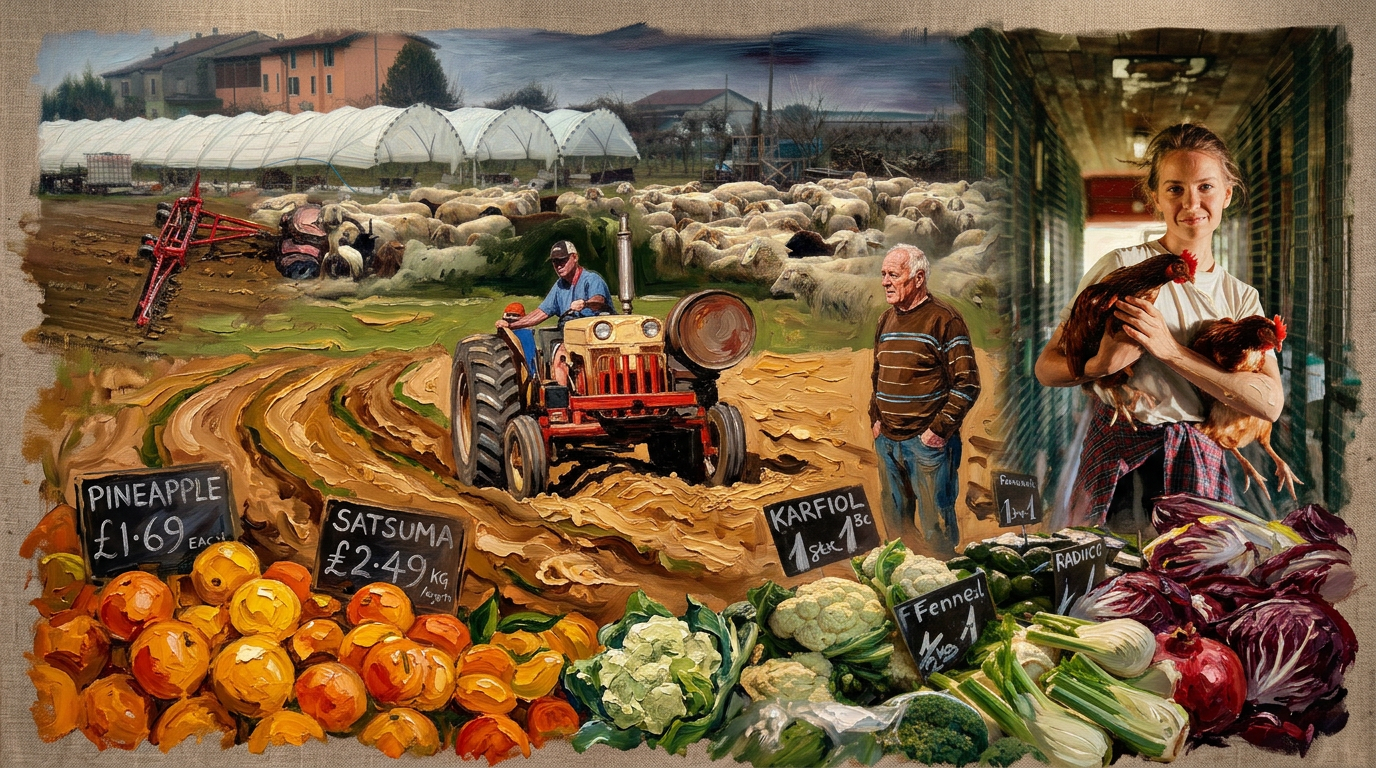
In recent weeks, Europe has been buzzing with discussions about new agricultural policies. These policies aim to reshape farming practices across the continent. As the European Union (EU) pushes for greener and more sustainable methods, farmers and consumers alike are wondering what these changes mean for their livelihoods and daily lives.
A Push for Sustainability
The EU has been working hard to make agriculture more sustainable. This means reducing the use of chemicals, cutting down on carbon emissions, and promoting biodiversity. The latest developments focus on the “Farm to Fork” strategy, which is part of the European Green Deal. This strategy aims to make food systems fair, healthy, and environmentally friendly.
Supporters argue that these changes are necessary to combat climate change and protect the environment. They believe that sustainable farming will lead to healthier food and a cleaner planet. However, not everyone is on board with these changes.
Concerns from Farmers
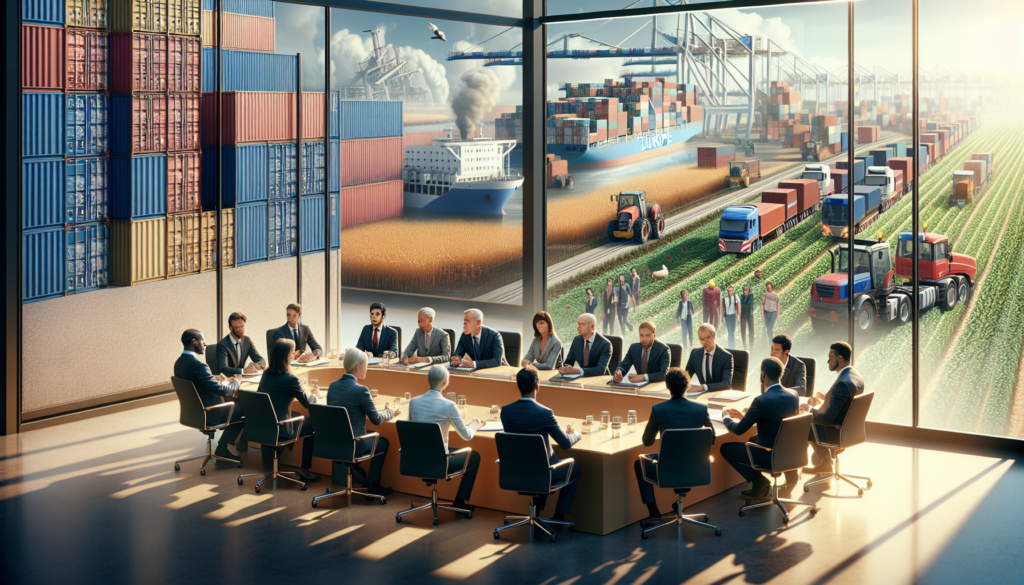
Many farmers are worried about how these new policies will affect their businesses. They fear that the shift to greener practices will increase their costs. This could make it harder for them to compete with non-EU farmers who do not have to follow the same strict rules.
Farmers are also concerned about potential job losses. If costs rise and profits fall, some farms may not survive. This could lead to fewer jobs in rural areas, where farming is often a major source of employment.
Impact on Food Prices and Quality
For consumers, the big question is how these changes will affect food prices and quality. Some experts predict that prices could go up as farmers pass on their increased costs to consumers. This is a worry for many Europeans who are already feeling the pinch from rising living costs.
On the other hand, supporters of the new policies argue that the quality of food will improve. They believe that reducing the use of chemicals and promoting organic farming will lead to healthier, tastier food. This could be a win for consumers who value quality over cost.
Political Debate
The new agricultural policies have sparked a heated political debate across Europe. Environmental groups and many EU politicians support the changes, arguing that they are essential for the future of the planet. They say that Europe must lead the way in sustainable farming.
However, some political parties and farming organizations are pushing back. They argue that the policies are too ambitious and could harm the agricultural sector. They call for more support and flexibility for farmers to help them transition to new practices.
What It Means for Europe
The outcome of this debate will have significant implications for Europe. If the policies succeed, Europe could become a leader in sustainable agriculture. This could boost the EU’s reputation on the global stage and open up new markets for European products.
However, if the transition is too difficult for farmers, it could lead to economic problems in rural areas. This could increase tensions between urban and rural communities and put pressure on governments to find solutions.
Conclusion
As Europe moves towards greener agricultural policies, the road ahead is uncertain. Farmers, consumers, and politicians all have a stake in the outcome. While the push for sustainability is crucial, it is equally important to address the concerns of those who may be negatively affected.
In the coming months, it will be vital for the EU to balance environmental goals with economic realities. By supporting farmers and ensuring food remains affordable, Europe can work towards a future that benefits everyone. The journey may be challenging, but with cooperation and understanding, it is possible to create a sustainable and prosperous future for all Europeans.
